
M&A Due Diligence Document Checklist: What You Need Ready

M&A Due Diligence Document Checklist: What You Need Ready
An M&A due diligence checklist is a structured list of financial, legal, commercial and operational documents that a buyer requires before closing an acquisition. Having these files organised in advance shortens deal timelines, reduces information requests during the process and signals to buyers that the business is well-managed. Whether you are a founder preparing for your first exit or an M&A adviser managing multiple deals, this checklist gives you a clear starting point.
Why Document Readiness Determines Deal Speed
Deals stall most often at the information-request stage. When a buyer's legal team sends a request list and the seller spends three weeks tracking down signed contracts from 2019, every day of delay adds risk to the transaction. Prepared sellers close faster, negotiate from a stronger position and avoid the quiet withdrawal that happens when buyers lose confidence mid-process.
A well-organised virtual data room communicates that the business is operationally mature. It reduces back-and-forth, keeps advisers focused on analysis rather than chasing files and gives the buyer a coherent view of what they are acquiring.
The Core M&A Due Diligence Document Checklist
Use the sections below as your organising framework. Each category maps directly to a folder structure you can replicate in your data room.
1. Corporate and Legal Documents
- Certificate of incorporation and constitutional documents
- Shareholder register and cap table
- Board and shareholder meeting minutes (last 3 years)
- Shareholder agreements, voting agreements and drag-along rights
- Any existing letters of intent or term sheets
- Regulatory licences and permits
2. Financial Documents
- Audited accounts or management accounts (3 years)
- Latest month-end P&L, balance sheet and cash flow
- Revenue breakdown by product, geography and customer segment
- Accounts receivable and payable ageing reports
- Outstanding loans, credit facilities and covenant schedules
- Tax returns and any open enquiries with HMRC or EU tax authorities
3. Commercial Contracts
- Top 10 customer contracts with renewal and termination clauses flagged
- Supplier agreements and any single-source dependencies
- Distribution, reseller or partnership agreements
- Subscription and SaaS agreements if applicable
4. Intellectual Property
- Patent registrations and pending applications
- Trademark and design registrations across EU and relevant jurisdictions
- Software development agreements confirming IP assignment
- Open-source licence audit report

5. HR and Employment
- Org chart and headcount by department
- Employment contracts for key personnel
- Equity and option pool documentation (vesting schedules)
- Redundancy history and any outstanding tribunal claims
6. IT, Data and GDPR
- Data processing agreements with all processors
- Record of Processing Activities (ROPA)
- Privacy policy, cookie policy and consent records
- Penetration test results and security certifications (ISO 27001, SOC 2)
- Any past data breach notifications to supervisory authorities

Document Readiness Comparison: Prepared vs. Reactive Seller
| Factor | Prepared Seller | Reactive Seller |
|---|---|---|
| Average data room setup | 1 to 3 days | 2 to 4 weeks |
| Buyer information requests | Minimal follow-ups | Ongoing back-and-forth |
| Legal cost (diligence phase) | Lower | Significantly higher |
| Deal timeline | Compressed | Extended, often aborted |
| Buyer confidence | High | Eroded |
| GDPR compliance documentation | Pre-prepared | Assembled under pressure |
How to Organise Your Data Room for Due Diligence
Structure your data room folders to mirror the checklist categories above. Use numbered prefixes (01-Corporate, 02-Financial, 03-Commercial) so buyers navigate without guidance. Restrict access by role: investors see financials but not HR files; external advisers see commercial contracts but not pending litigation.
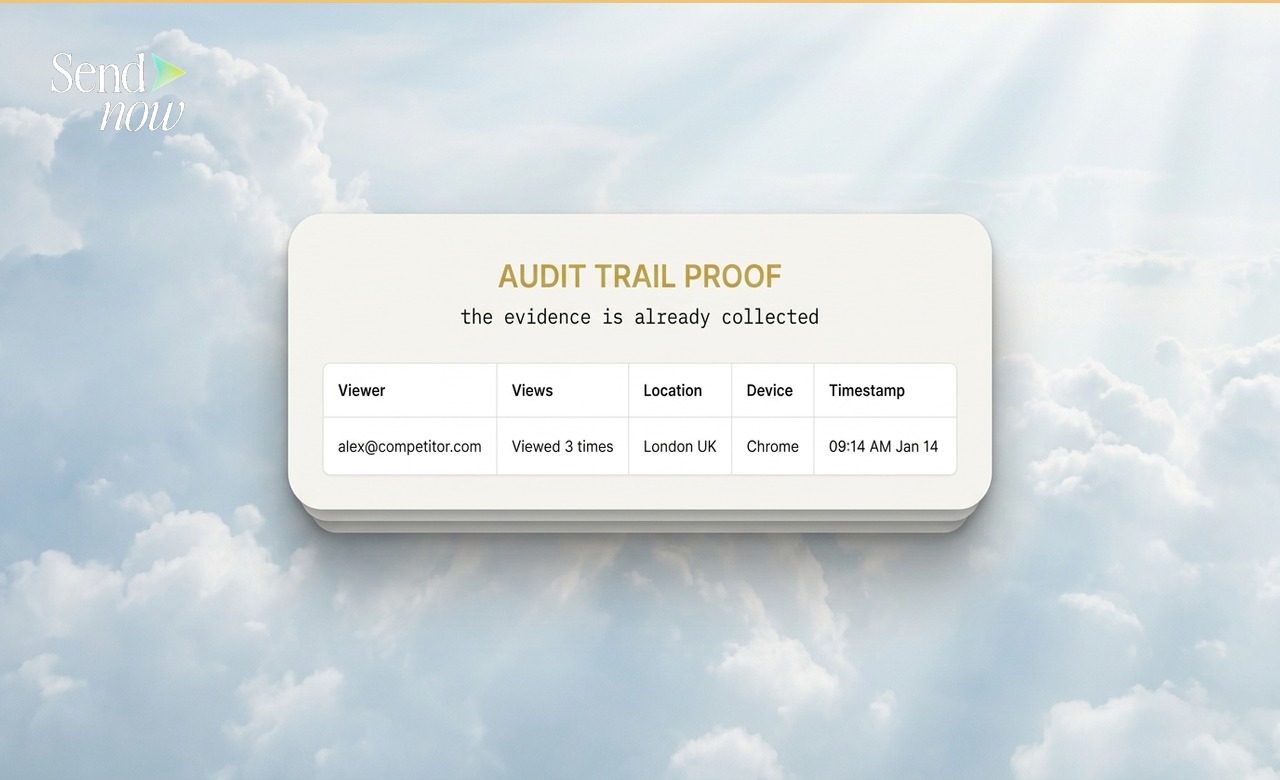
For EU transactions, ensure all documents shared with buyers outside the EEA are covered by appropriate transfer mechanisms. A GDPR-compliant data room provider processes data within the EU and maintains a full audit log of who accessed which file and when.
SendNow tracks buyer engagement at the document level. You can see which files received the most attention, how long reviewers spent on each page and whether specific sections triggered follow-up questions. That intelligence helps you anticipate objections before they surface in negotiation. Explore how to set up your data room in under 10 minutes.
Common Gaps That Delay Deals
The documents most frequently missing from unprepared sellers are IP assignment agreements (particularly for early freelance or agency work), clean cap tables without side letters, and GDPR data processing agreements with cloud vendors. EU buyers treat GDPR gaps as a valuation risk, not a paperwork formality. Addressing these before you go to market removes a negotiating lever from the buyer's side.
For context on how virtual data rooms support the broader deal process, see our complete guide to virtual data rooms and our overview of what a deal room is and when you need one.
Start Your Free Trial with SendNow
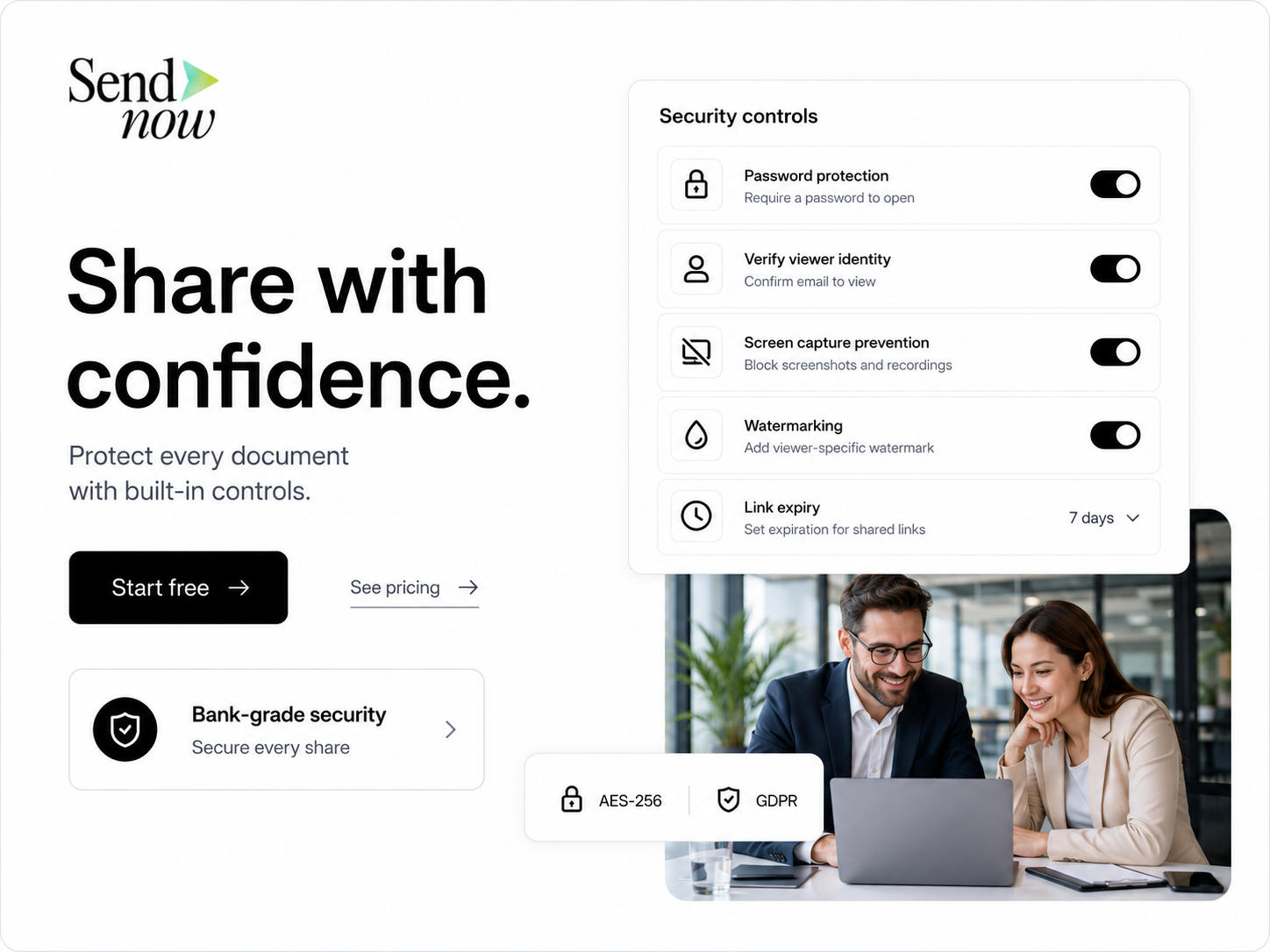
SendNow provides a GDPR-compliant virtual data room with AES-256 encryption, granular access controls and real-time engagement analytics. Set up your due diligence room in minutes and know exactly what buyers are reading.
Start your free trial at sendnow.live
Frequently Asked Questions
1. What is an M&A due diligence checklist? It is a structured list of documents a buyer requests before completing an acquisition. Categories typically include corporate, financial, legal, HR, IP and GDPR-related records.
2. How early should I prepare due diligence documents? Ideally 6 to 12 months before going to market. Early preparation prevents delays and gives you time to address gaps such as unsigned contracts or missing IP assignments.
3. What financial documents do buyers always request? Three years of audited or management accounts, a current P&L and balance sheet, accounts receivable ageing, tax returns and any outstanding credit facilities.
4. Is GDPR documentation required in M&A due diligence? Yes, particularly for EU transactions. Buyers will review your ROPA, data processing agreements, privacy notices and any breach notification history before completing the deal.
5. How should I organise folders in a virtual data room? Mirror the due diligence checklist categories, use numbered prefixes for easy navigation, and apply role-based access so each party only sees files relevant to their review.
6. What happens if documents are missing during due diligence? Missing documents extend timelines, increase legal costs and can give buyers grounds to renegotiate price or walk away. Common gaps are IP assignment agreements and GDPR processor agreements.
7. How do I control who sees sensitive employee or financial data? Use a data room with granular permission settings. Grant access by folder and document level, and restrict viewing, downloading or printing on a per-user basis.
8. Can I track which documents buyers have reviewed? Yes. Platforms like SendNow provide per-document engagement analytics showing time spent, pages viewed and download activity, giving sellers visibility into buyer focus areas before negotiation.
About the Author: Rifana Hameem
Rifana is the founder of SendNow. She leads the team in building secure, compliant, and analytics-rich document sharing tools for finance and professional teams worldwide.
Connect on LinkedIn