
Why Startups Prefer Flat-Rate VDRs for Fundraising Deal Rooms

Why Startups Prefer Flat-Rate VDRs for Fundraising Deal Rooms
Executive Summary / TL;DR
In the fast-paced world of startups, fundraising is a critical milestone that can determine the trajectory of a business. Virtual Data Rooms (VDRs) have emerged as essential tools for managing sensitive information during fundraising processes. Among the various pricing models available, flat-rate VDRs have gained significant traction among startups. This article explores the reasons behind this preference, highlighting the cost-effectiveness, simplicity, and enhanced security that flat-rate VDRs offer.
The Challenges of Fundraising for Startups
Fundraising is often fraught with challenges for startups. The need to present a compelling pitch deck, manage sensitive documents, and maintain confidentiality can overwhelm even the most seasoned entrepreneurs. Traditional methods of sharing information, such as email or unsecured file-sharing platforms, expose startups to numerous risks, including data breaches and miscommunication.
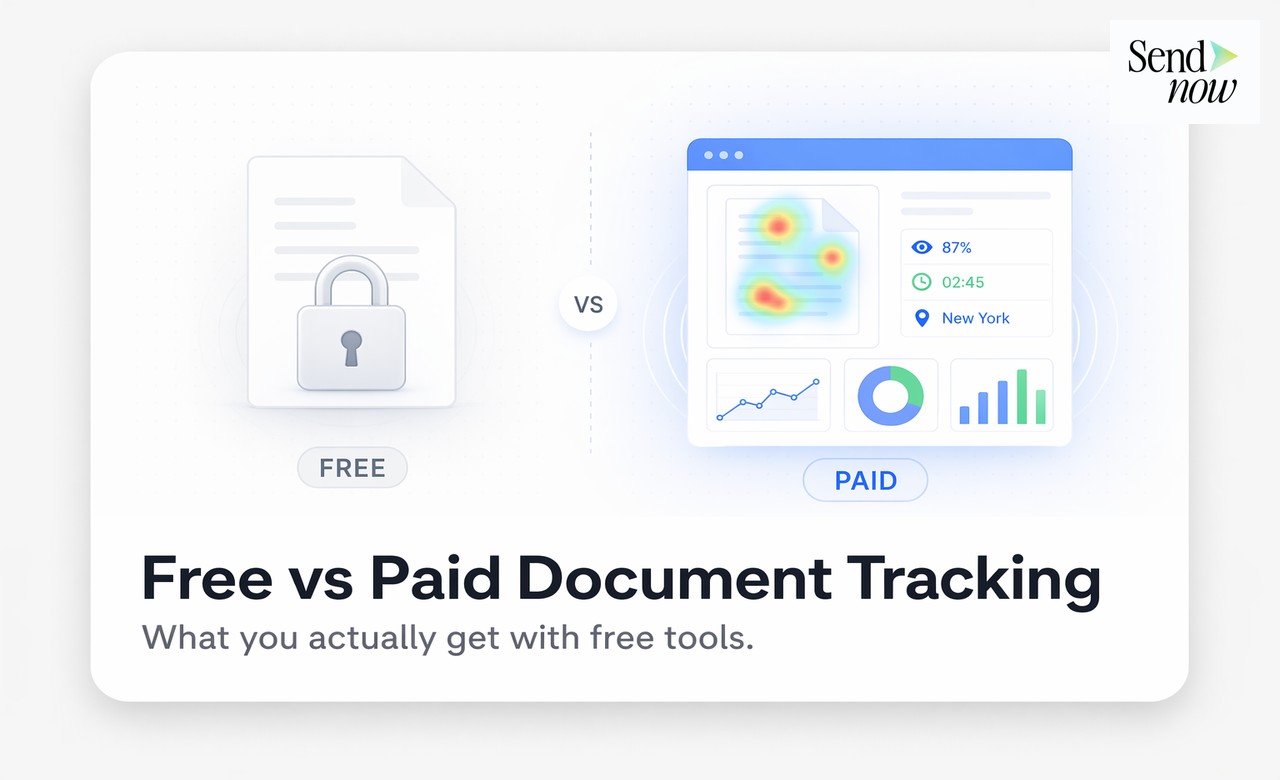
Moreover, the variable pricing models of many VDRs can lead to unexpected costs, especially when dealing with large volumes of documents or extended timelines. This unpredictability can strain a startup's budget, making it essential to find a solution that offers both reliability and transparency.
Current Security Vulnerabilities
Startups often rely on common file-sharing workflows, such as email attachments or platforms like Dropbox, to share sensitive information with potential investors. However, these methods present significant security vulnerabilities:
-
Data Breaches: Email is notoriously insecure. Sensitive documents can be intercepted, leading to unauthorized access to confidential information.
-
Version Control Issues: Sharing files through email can lead to confusion over which version is the most current, resulting in miscommunication and potential errors in negotiations.
-
Limited Access Controls: Platforms like Dropbox do not provide robust access controls, making it difficult to restrict who can view or download sensitive documents.
-
Lack of Audit Trails: Without a comprehensive audit trail, startups cannot track who accessed their documents and when, complicating compliance with regulations.
These vulnerabilities highlight the need for a more secure and efficient solution, particularly for startups navigating the complexities of fundraising.
Industry-Specific Best Practices
To mitigate these risks, startups should adopt industry-specific best practices when using VDRs for fundraising:
-
Choose the Right VDR: Select a VDR that offers flat-rate pricing to avoid unexpected costs. Look for features that enhance security and usability.
-
Implement Strong Access Controls: Ensure that only authorized individuals can access sensitive documents. Utilize features like password protection and user permissions.
-
Maintain Version Control: Use a VDR that allows for easy document updates and version tracking to ensure all parties are working with the most current information.
-
Conduct Regular Audits: Regularly review access logs and audit trails to ensure compliance and identify any unauthorized access attempts.
-
Train Your Team: Educate your team on best practices for using VDRs, including how to upload documents securely and manage access permissions.
By following these best practices, startups can enhance their fundraising efforts while safeguarding sensitive information.
Flat-Rate VDRs: A Solution for Startups
Flat-rate VDRs have become increasingly popular among startups for several compelling reasons:
Cost Predictability
One of the most significant advantages of flat-rate VDRs is cost predictability. Startups often operate on tight budgets, and unexpected expenses can derail their fundraising efforts. With a flat-rate model, startups can budget effectively, knowing exactly what they will pay for the duration of their fundraising campaign.
Simplified Pricing Structure
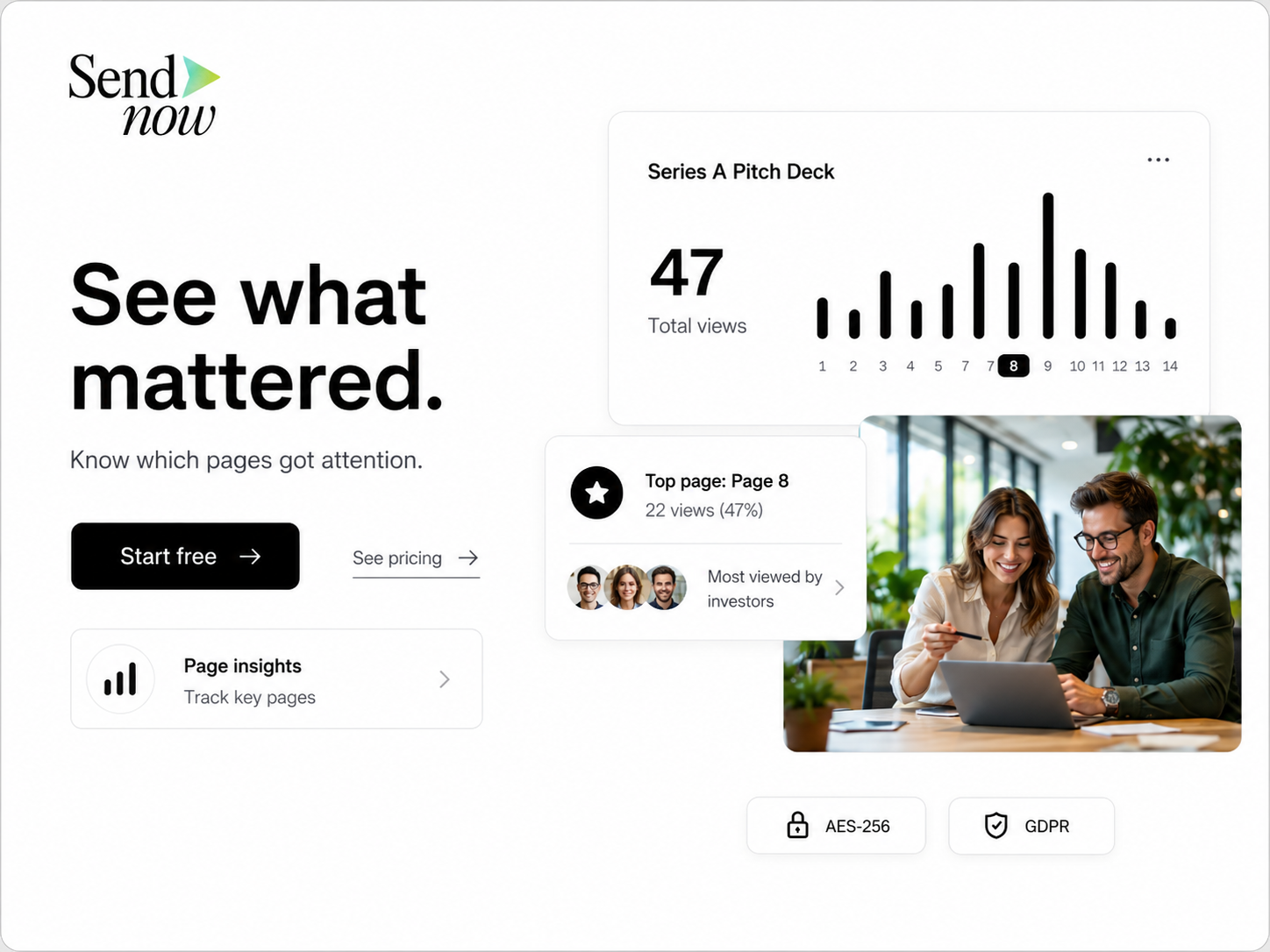
Flat-rate VDRs offer a straightforward pricing structure that eliminates the confusion associated with variable pricing models. Startups can focus on their fundraising efforts rather than worrying about how many documents they are uploading or how many users they are inviting.
Enhanced Security Features
Many flat-rate VDRs come equipped with advanced security features that are essential for protecting sensitive information. These may include:
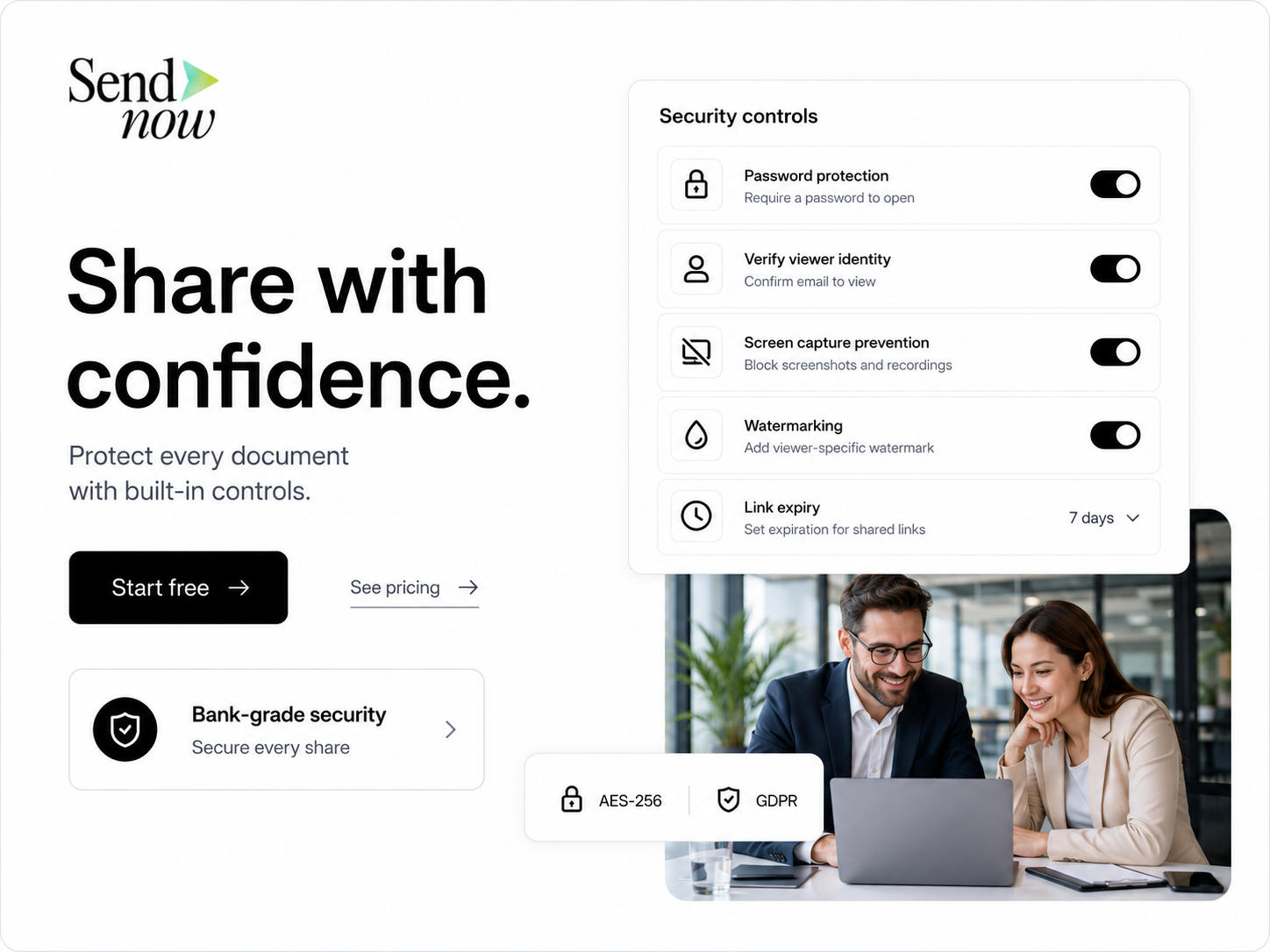
- Encryption: Data is encrypted both in transit and at rest, ensuring that unauthorized parties cannot access it.
- Watermarking: Documents can be watermarked with the user's information, discouraging unauthorized sharing.
- Granular Permissions: Startups can set specific permissions for each user, controlling who can view, edit, or download documents.
User-Friendly Interfaces
Flat-rate VDRs often prioritize user experience, offering intuitive interfaces that make it easy for startups to upload documents, manage access, and track engagement. This ease of use is particularly important for startups that may not have extensive technical resources.
SendNow Feature Deep-Dive
SendNow is a leading flat-rate VDR that provides startups with the tools they need to secure their fundraising efforts. Here’s how SendNow’s specific controls address the common security vulnerabilities faced by startups:
Dynamic Watermarking
SendNow offers dynamic watermarking, which places a unique identifier on each document. This feature discourages unauthorized sharing and helps track the source of any leaks.
Screenshot Blocking
To further protect sensitive information, SendNow includes screenshot blocking capabilities. This prevents users from taking screenshots of documents, ensuring that confidential information remains secure.
Require Email Gates
SendNow requires users to authenticate their email addresses before accessing documents. This adds an additional layer of security, ensuring that only authorized individuals can view sensitive information.
Link Expiry
With SendNow, startups can set expiration dates for document links. This feature ensures that access to sensitive information is temporary, reducing the risk of unauthorized access over time.
NDA Gates
SendNow allows startups to require users to sign a Non-Disclosure Agreement (NDA) before accessing documents. This legal safeguard reinforces the confidentiality of the information being shared.
For more information on SendNow and its features, visit their official LinkedIn page: SendNow LinkedIn.
Technical Walkthrough
Setting up SendNow for your fundraising deal room is straightforward. Follow these steps to ensure a secure and efficient process:
Step 1: Create an Account
- Visit the SendNow website and click on the "Sign Up" button.
- Fill in the required information to create your account.
Step 2: Upload Documents
- Log in to your SendNow account.
- Navigate to the "Upload" section.
- Select the documents you wish to share and upload them to the platform.
Step 3: Configure Link Settings
- After uploading, click on the document to configure link settings.
- Set permissions for each user, including view, edit, and download options.
- Enable dynamic watermarking and screenshot blocking as needed.
Step 4: Distribute Links Securely
- Generate a shareable link for each document.
- Set an expiration date for the link to enhance security.
- If required, enable NDA gates for additional protection.
Step 5: Monitor Engagement
- Use the audit trail feature to monitor who accesses your documents and when.
- Regularly review access logs to ensure compliance and security.
By following these steps, startups can effectively use SendNow to manage their fundraising deal rooms securely.
ROI & Business Impact
Investing in a flat-rate VDR like SendNow can yield significant returns for startups. Here are some key benefits:
Cost-Efficiency
Flat-rate pricing eliminates unexpected costs, allowing startups to allocate their budgets more effectively. This predictability is crucial during fundraising, where every dollar counts.
Contract Compliance
Using a secure VDR helps startups maintain compliance with various regulations, including GDPR and e-signature laws. This compliance can enhance credibility with potential investors and partners.
Protection Value
The security features offered by flat-rate VDRs protect sensitive information from data breaches and unauthorized access. This protection is invaluable for maintaining investor trust and safeguarding intellectual property.
Structured FAQ
1. How does a flat-rate VDR differ from traditional VDR pricing models?
Flat-rate VDRs charge a fixed fee for access, regardless of the number of documents or users. Traditional VDRs often have variable pricing based on usage, which can lead to unexpected costs.
2. Why should startups prioritize security when fundraising?
Startups handle sensitive information that could impact their valuation and investor relationships. Prioritizing security helps prevent data breaches and maintains trust with potential investors.
3. What features should startups look for in a VDR?
Startups should look for features such as encryption, dynamic watermarking, screenshot blocking, and granular permissions to ensure their documents are secure.
4. How can SendNow enhance my fundraising efforts?
SendNow provides a secure platform for sharing sensitive documents, with features designed to protect information and streamline the fundraising process.
5. What is the process for setting up SendNow for my startup?
Setting up SendNow involves creating an account, uploading documents, configuring link settings, distributing links securely, and monitoring engagement through audit trails.
Actionable CTA
If you are a startup looking to streamline your fundraising efforts while ensuring the security of your sensitive information, consider starting a trial with SendNow. Experience the benefits of a flat-rate VDR and take control of your fundraising deal room today. Visit SendNow to get started!
By adopting a flat-rate VDR, startups can navigate the complexities of fundraising with confidence, knowing that their sensitive information is secure and their costs are predictable.
About the Author: Rifana Hameem
Rifana is the founder of SendNow. She leads the team in building secure, compliant, and analytics-rich document sharing tools for finance and professional teams worldwide.
Connect on LinkedIn