
Why Corporate Finance Teams Prefer Flat-Rate Auditing Rooms

Why Corporate Finance Teams Prefer Flat-Rate Auditing Rooms
Executive Summary / TL;DR
In the fast-paced world of corporate finance, efficiency, transparency, and cost-effectiveness are paramount. Flat-rate auditing rooms have emerged as a preferred solution for finance teams seeking to streamline their auditing processes. Unlike traditional hourly billing models, flat-rate auditing rooms offer predictable pricing, enhanced collaboration, and improved compliance. This article delves into the challenges faced by corporate finance teams, the advantages of flat-rate auditing rooms, and the specific features that make them an indispensable tool for modern finance operations.
Current Challenges in Corporate Finance Auditing
Corporate finance teams face a myriad of challenges when it comes to auditing. Traditional auditing methods often involve unpredictable costs, lengthy timelines, and a lack of transparency. Here are some of the key issues that finance teams encounter:
-
Unpredictable Costs: Hourly billing can lead to spiraling costs, making it difficult for finance teams to budget effectively. Unexpected complications during the audit can result in additional hours billed, leading to financial strain.
-
Time Constraints: With tight deadlines and the pressure to deliver accurate financial reports, finance teams often struggle to manage the auditing process efficiently. Delays in audits can hinder decision-making and impact overall business performance.
-
Communication Gaps: Traditional auditing processes can create barriers between finance teams and auditors. Miscommunication can lead to misunderstandings, resulting in incomplete or inaccurate audits.
-
Compliance Risks: As regulations evolve, finance teams must ensure that their auditing processes comply with the latest standards. Failure to do so can result in penalties and damage to the company's reputation.
-
Data Security Concerns: With sensitive financial information at stake, data security is a top priority. Traditional auditing methods may not provide the necessary safeguards to protect confidential data.
The Advantages of Flat-Rate Auditing Rooms
Flat-rate auditing rooms offer a solution to the challenges faced by corporate finance teams. Here are some of the key advantages that make them a preferred choice:
1. Predictable Pricing
Flat-rate auditing rooms provide a clear, upfront cost for auditing services. This transparency allows finance teams to budget effectively and avoid unexpected expenses. With a fixed fee, teams can allocate resources more efficiently and focus on their core responsibilities without the stress of fluctuating costs.
2. Streamlined Processes
Flat-rate auditing rooms often incorporate technology that streamlines the auditing process. Automated workflows, digital document management, and real-time collaboration tools enable finance teams to work more efficiently. This leads to faster turnaround times and a more organized auditing experience.
3. Enhanced Collaboration
Flat-rate auditing rooms facilitate better communication between finance teams and auditors. With shared access to documents and real-time updates, both parties can collaborate more effectively. This reduces the risk of miscommunication and ensures that everyone is on the same page throughout the auditing process.
4. Improved Compliance
Compliance is a critical concern for corporate finance teams. Flat-rate auditing rooms are designed to adhere to the latest regulatory standards, ensuring that audits are conducted in accordance with industry best practices. This proactive approach to compliance helps mitigate risks and protects the company's reputation.
5. Robust Data Security
Data security is paramount in the world of corporate finance. Flat-rate auditing rooms often utilize advanced security measures, such as encryption and secure access controls, to protect sensitive financial information. This gives finance teams peace of mind knowing that their data is secure throughout the auditing process.
Industry-Specific Best Practices for Implementing Flat-Rate Auditing Rooms
To maximize the benefits of flat-rate auditing rooms, corporate finance teams should consider the following best practices:
1. Assess Your Needs
Before selecting a flat-rate auditing room, finance teams should assess their specific needs. Consider factors such as the size of the audit, the complexity of the financial data, and the level of collaboration required. This will help identify the right solution that aligns with your team's objectives.
2. Choose the Right Provider
Not all flat-rate auditing rooms are created equal. Research potential providers to find one that offers the features and services that best meet your needs. Look for providers with a strong track record in the industry and positive client testimonials.
3. Establish Clear Communication Channels
Effective communication is key to a successful audit. Establish clear communication channels between your finance team and the auditors. Regular check-ins and updates can help ensure that everyone is aligned and that any issues are addressed promptly.
4. Leverage Technology
Take advantage of technology to enhance the auditing process. Utilize digital document management systems, collaboration tools, and automated workflows to streamline the audit. This can lead to increased efficiency and reduced turnaround times.
5. Monitor Compliance
Stay informed about the latest regulatory changes that may impact your auditing processes. Regularly review your compliance measures to ensure that they align with industry standards. This proactive approach can help mitigate risks and protect your organization.
The Features of Flat-Rate Auditing Rooms
Flat-rate auditing rooms come equipped with a variety of features designed to enhance the auditing experience. Here are some key features to look for:
1. Document Management
A robust document management system allows finance teams to store, organize, and share financial documents securely. This feature ensures that all relevant information is easily accessible during the audit process.
2. Real-Time Collaboration Tools
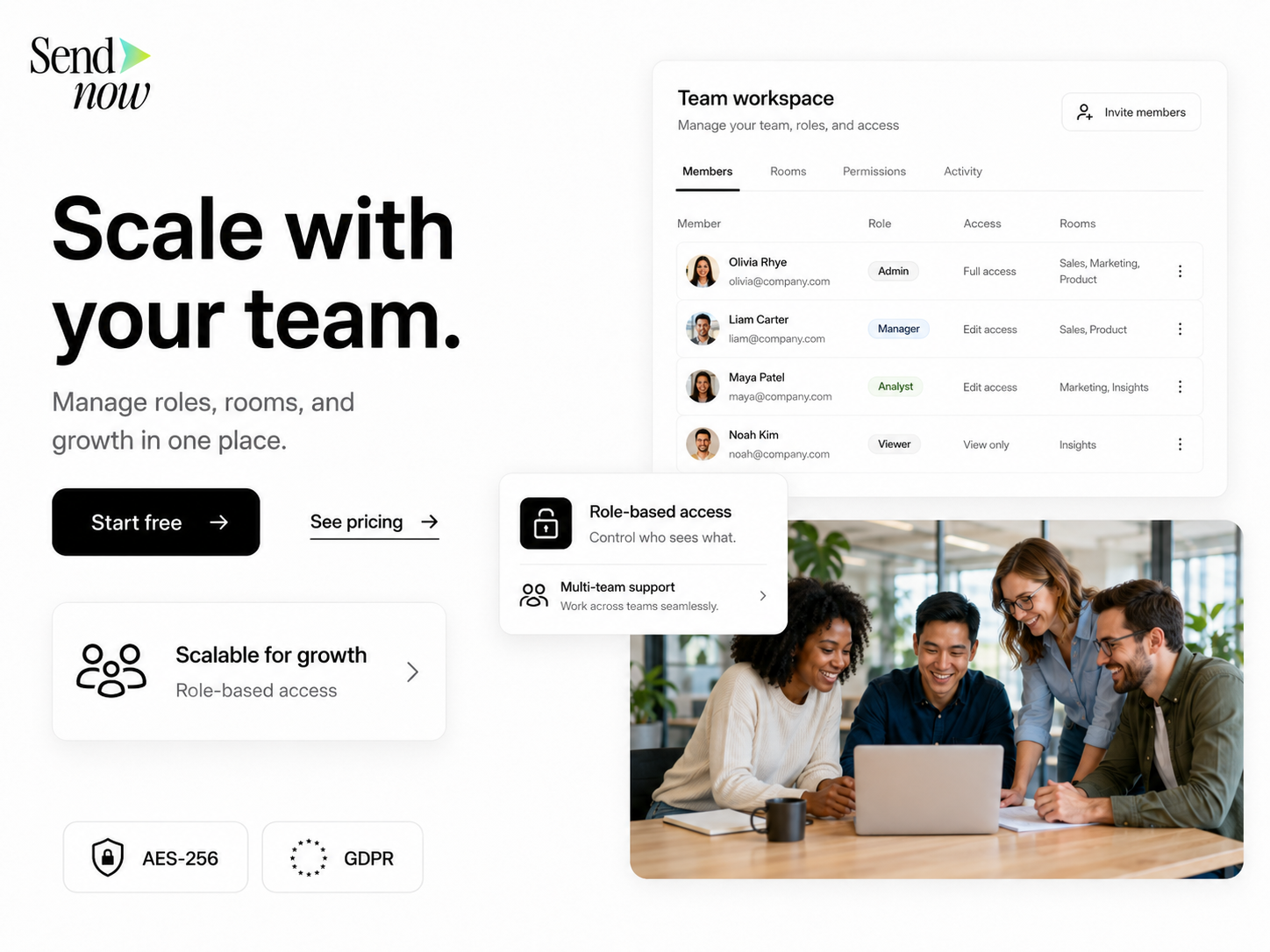
Collaboration tools enable finance teams and auditors to work together seamlessly. Features such as shared workspaces, instant messaging, and video conferencing facilitate communication and enhance teamwork.
3. Automated Workflows
Automation can significantly improve the efficiency of the auditing process. Automated workflows streamline repetitive tasks, reduce the risk of human error, and free up time for finance teams to focus on more strategic activities.
4. Compliance Tracking
Flat-rate auditing rooms should include features that help monitor compliance with regulatory standards. This may include automated alerts for upcoming deadlines, compliance checklists, and reporting tools.
5. Security Measures
Data security is a top priority for corporate finance teams. Look for flat-rate auditing rooms that offer advanced security measures, such as encryption, multi-factor authentication, and secure access controls.
Technical Walkthrough: Setting Up a Flat-Rate Auditing Room
Setting up a flat-rate auditing room involves several key steps. Here is a step-by-step guide to help finance teams get started:
Step 1: Choose a Provider
Research and select a flat-rate auditing room provider that aligns with your needs. Consider factors such as pricing, features, and customer support.
Step 2: Create an Account
Once you have selected a provider, create an account on their platform. This typically involves providing basic information about your organization and setting up login credentials.
Step 3: Upload Financial Documents
After creating an account, begin uploading your financial documents to the auditing room. Organize documents into folders for easy access and navigation.
Step 4: Configure Access Permissions
Set up access permissions for team members and auditors. Ensure that only authorized individuals can access sensitive financial information.

Step 5: Initiate the Audit
Once the documents are uploaded and permissions are configured, initiate the audit process. Communicate with the auditors to establish timelines and expectations.
Step 6: Monitor Progress
Throughout the audit, monitor progress and maintain open communication with the auditors. Address any questions or concerns promptly to ensure a smooth process.
Step 7: Review Findings
After the audit is complete, review the findings and recommendations provided by the auditors. Use this feedback to improve future auditing processes.
ROI & Business Impact of Flat-Rate Auditing Rooms
Investing in flat-rate auditing rooms can yield significant returns for corporate finance teams. Here are some key benefits:
1. Cost-Efficiency
Flat-rate auditing rooms eliminate the unpredictability of hourly billing, allowing finance teams to budget more effectively. This cost predictability can lead to significant savings over time.
2. Improved Productivity
By streamlining the auditing process, flat-rate auditing rooms enable finance teams to focus on strategic initiatives rather than getting bogged down in administrative tasks. This increased productivity can lead to better decision-making and improved business outcomes.
3. Enhanced Compliance
With built-in compliance tracking features, flat-rate auditing rooms help finance teams stay compliant with regulatory standards. This proactive approach reduces the risk of penalties and protects the organization's reputation.
4. Strengthened Data Security
Investing in a secure flat-rate auditing room protects sensitive financial information from data breaches and unauthorized access. This not only safeguards the organization but also builds trust with stakeholders.
Structured FAQ
1. How does a flat-rate auditing room differ from traditional auditing methods?
Flat-rate auditing rooms offer a fixed fee for auditing services, providing cost predictability. In contrast, traditional auditing methods often involve hourly billing, leading to unpredictable costs.
2. Why should my finance team consider using a flat-rate auditing room?
Flat-rate auditing rooms streamline the auditing process, enhance collaboration, and improve compliance. They also provide predictable pricing, allowing finance teams to budget effectively.
3. What features should I look for in a flat-rate auditing room?
Key features to consider include document management, real-time collaboration tools, automated workflows, compliance tracking, and robust security measures.
4. How can I ensure compliance during the auditing process?
Choose a flat-rate auditing room that includes compliance tracking features. Regularly review your compliance measures and stay informed about regulatory changes.
5. What is the ROI of investing in a flat-rate auditing room?
Investing in a flat-rate auditing room can lead to cost savings, improved productivity, enhanced compliance, and strengthened data security, ultimately benefiting the organization's bottom line.
Actionable CTA
Ready to streamline your auditing process and experience the benefits of a flat-rate auditing room? Start your trial today at SendNow and transform the way your corporate finance team approaches auditing. Embrace efficiency, transparency, and cost-effectiveness with flat-rate auditing solutions designed for modern finance operations.
About the Author: Rifana Hameem
Rifana is the founder of SendNow. She leads the team in building secure, compliant, and analytics-rich document sharing tools for finance and professional teams worldwide.
Connect on LinkedIn