How to Send Investor Updates That Get Read

How to Send Investor Updates That Get Read
An investor update document gets read when it is concise, structured and delivered consistently, covering the three things investors want to know: how the business is performing, what the team needs help with, and what is coming next. Most investor updates fail because they are either too long, too infrequent or lack the metrics investors actually care about. This guide covers the structure, frequency and sharing method that turns an investor update into a relationship-building tool.
Why Investor Updates Matter Beyond Compliance
Sending regular investor updates is not just a courtesy — it is a strategic act. Investors who are informed are more likely to:
- Introduce you to their network when asked
- Respond quickly when you need a bridge round or follow-on capital
- Provide useful input because they understand your current context
- Champion your company within their own portfolio and LP relationships
Founders who disappear between funding rounds often find that their investors are lukewarm when the next raise begins. Regular updates keep the relationship warm and reduce the time needed to rebuild context at each touchpoint.
The Ideal Structure for an Investor Update
Keep your investor update document to one or two pages. Use the following structure:
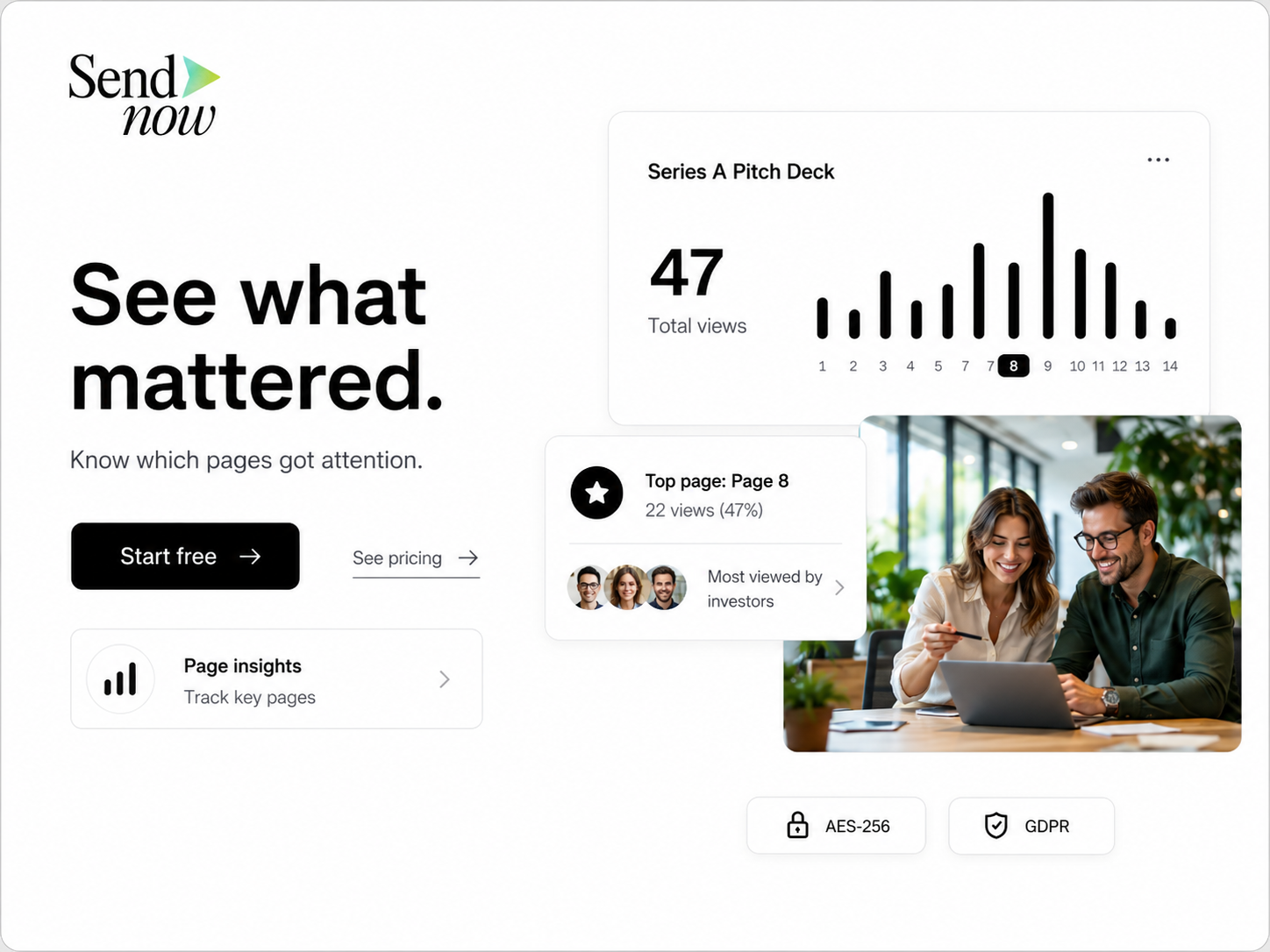
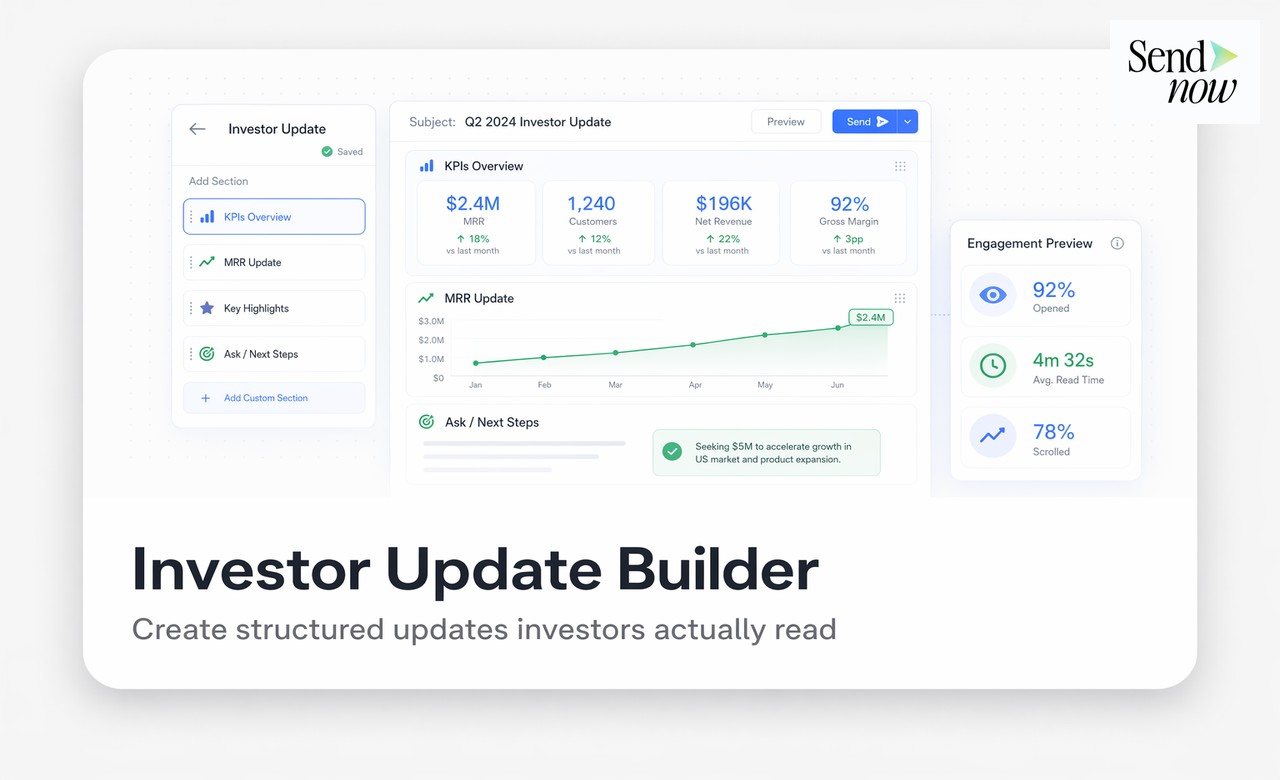
1. Headline metrics (top of document) Lead with the two or three numbers that best represent the health of the business. For a SaaS company this is typically MRR, ARR and net churn. For a marketplace, it might be GMV and take rate. Use month-on-month and year-on-year comparisons.
2. Wins and milestones List two to four things that went well since the last update. Be specific — "Signed a £120,000 ARR contract with a FTSE 250 company" is more compelling than "Good enterprise progress."
3. Challenges and honesty This is the section most founders skip, and it is the most valuable. Investors know startups encounter problems. A founder who acknowledges challenges and explains how they are addressing them builds far more trust than one who presents a relentlessly positive picture.
4. Ask for help Be specific. "We are looking for introductions to Chief Risk Officers at mid-size EU asset managers" is actionable. "Any help appreciated" is not.
5. Focus for next period Two or three priorities for the coming month or quarter. This closes the loop on your previous update's stated focus.
How Often Should You Send Investor Updates?
- Monthly is the standard for high-growth, pre-Series B companies
- Quarterly is acceptable for more stable or post-Series B businesses
- Ad hoc updates are appropriate for major milestones — a significant contract, a leadership hire or a significant setback
Consistency matters more than frequency. An investor who receives an update every month on the same day of the month will build the habit of reading it. One who receives updates irregularly will deprioritise them.
How to Share Investor Updates Securely
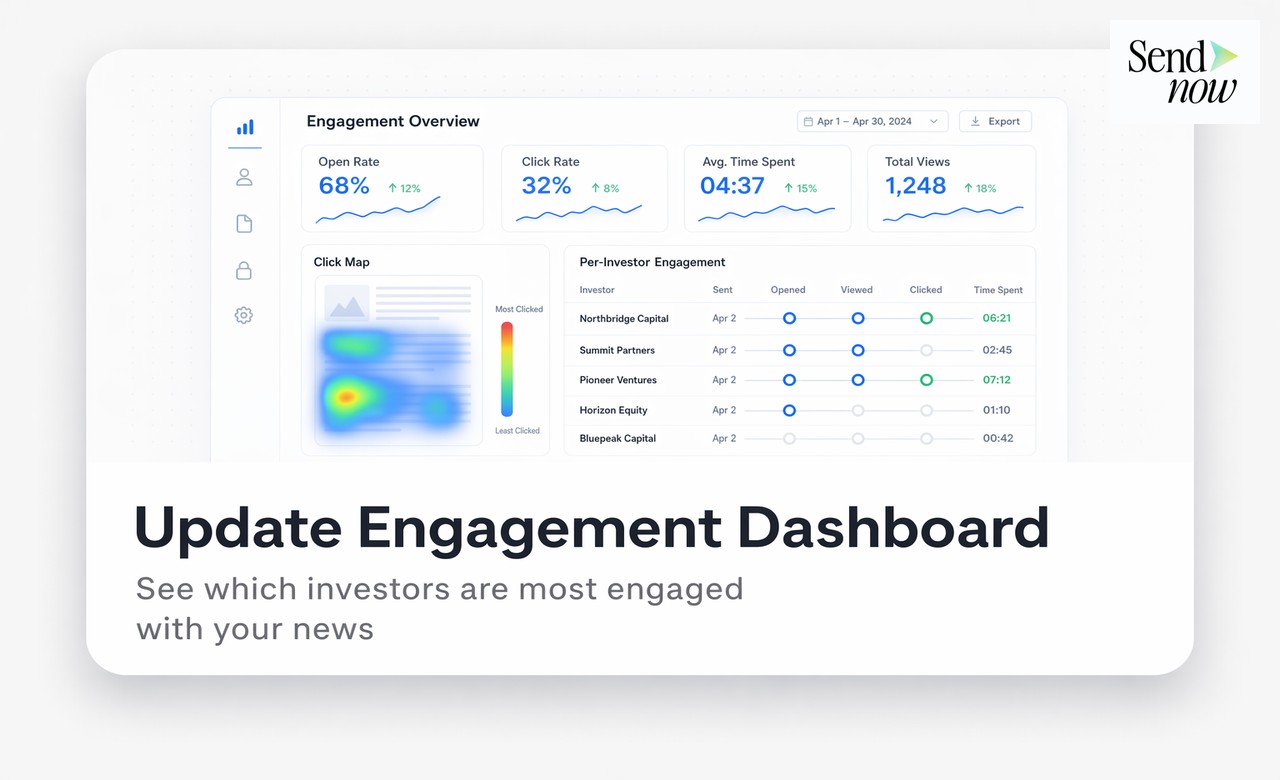
Use a document-sharing platform rather than email attachments or a shared folder. SendNow allows you to share your investor update as a secure link with full analytics, so you can see:
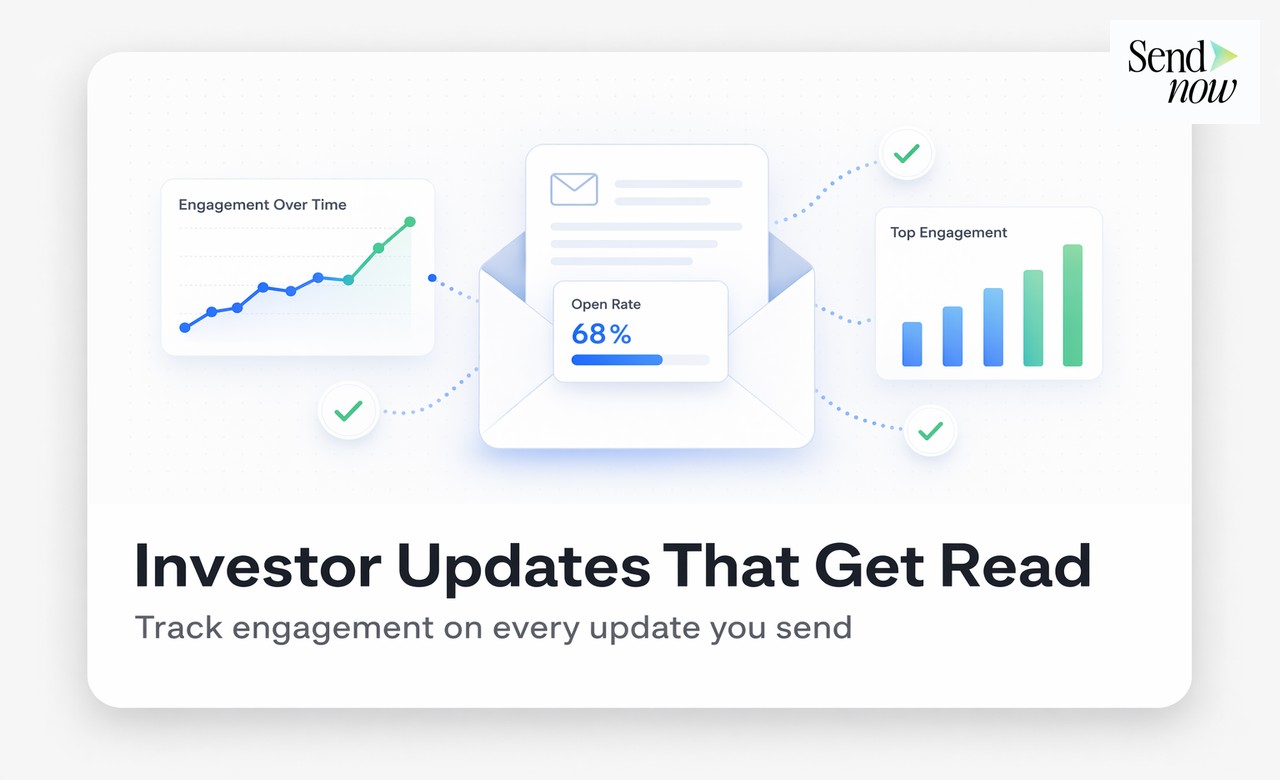
- Which investors opened the document
- How long they spent reading it
- Whether they returned to re-read it
This data is extremely useful. If an investor spends eight minutes on your update and then forwards it internally, they are clearly engaged. If they never open it, you may need to follow up directly or reconsider the format.
Related reading: What Is AI Engagement Scoring? How to Rank Your Hottest Prospects
GDPR Considerations for Investor Updates
Investor updates often include personal data — named team members, customer references or employee metrics. Under GDPR:
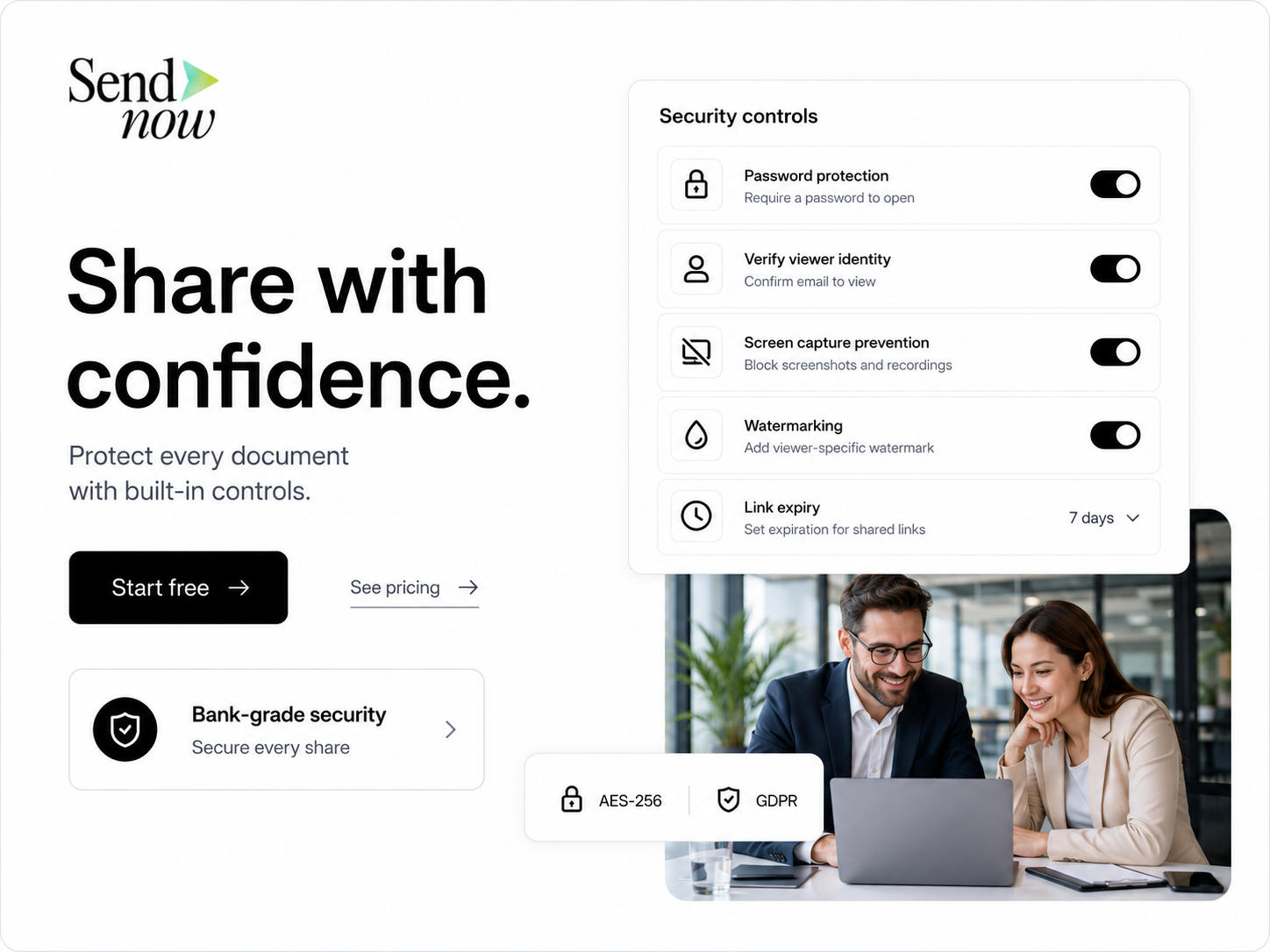
- Maintain a list of investors who have consented to or have a legitimate interest in receiving updates
- Do not forward updates to parties outside the investor group without permission
- Use a platform with an US-hosted audit trail so you can demonstrate that updates were shared appropriately
Related reading: Share Pitch Deck with Investors: Complete Guide | What to Know If a VC Read Your Pitch Deck
Investor Update Quality Checklist
| Element | Included | Notes |
|---|---|---|
| Headline metrics with comparisons | Yes/No | Use MRR, ARR, or relevant KPIs |
| Specific wins with numbers | Yes/No | Avoid vague language |
| Honest challenge section | Yes/No | Most important trust signal |
| Specific ask for help | Yes/No | One actionable request |
| Next period priorities | Yes/No | Two or three items maximum |
| Consistent delivery date | Yes/No | Same day each month |
Frequently Asked Questions
How long should an investor update be? One to two pages is the ideal length. Investors are busy and receive many updates. A concise, well-structured document is more likely to be read in full than a lengthy narrative.
Should I include bad news in an investor update? Yes. Hiding problems from investors damages trust and delays the support you might otherwise receive. Experienced investors have seen companies navigate serious challenges. Honesty enables them to help.
What metrics should I include in an investor update? Lead with the two or three metrics that best represent business health. For SaaS: MRR/ARR, churn, and customer count. For e-commerce: GMV, conversion rate, and average order value. Add secondary metrics that are relevant to your current focus.
Should I send investor updates to all investors or just lead investors? Send updates to all investors who hold a meaningful stake or have board/observer rights. You may create a simplified version for angel investors and a more detailed version for institutional backers.
How do I know if my investor is reading my updates? Use a document-sharing platform with analytics. SendNow shows you exactly when each investor opened your update, how long they spent reading it and whether they returned for a second viewing.
What should I do if an investor never reads my updates? Follow up with a brief message asking if they received it and whether the format is working for them. Some investors prefer a different format — a voice note, a short call or a different delivery method.
Is email a good way to send investor updates? Email is a common delivery mechanism, but attaching the update as a file or pasting it into the body means you lose all visibility into engagement. Share via a secure link with read receipts and analytics instead.
How do I get investors to actually respond to my asks? Make the ask specific and low-effort. "Could you introduce me to [name] at [fund]?" is easier to action than "Any introductions to VCs welcome." Specific asks get specific responses.
About the Author: Rifana Hameem
Rifana is the founder of SendNow. She leads the team in building secure, compliant, and analytics-rich document sharing tools for finance and professional teams worldwide.
Connect on LinkedIn