

Access Audits and Activity Logging for Compliance Files
Published on June 9, 2026
Access Audits and Activity Logging for Compliance Files
Executive Summary / TL;DR
In today’s increasingly regulated business environment, organizations must prioritize compliance with various legal and industry standards. Access audits and activity logging for compliance files are essential components of a robust compliance strategy. These processes help organizations track who accesses sensitive information, when they access it, and what actions they take. This article explores the challenges organizations face in managing compliance files, the importance of access audits and activity logging, and best practices for implementing these processes effectively.
Current Security Vulnerabilities
Organizations often rely on traditional file-sharing methods such as email, cloud storage services like Dropbox, or even physical document sharing. While these methods are convenient, they expose sensitive compliance files to significant security vulnerabilities:
-
Email Risks: Emails can be intercepted, leading to unauthorized access to sensitive information. Phishing attacks also pose a threat, as employees may inadvertently share compliance files with malicious actors.
-
Cloud Storage Vulnerabilities: While cloud services offer convenience, they often lack robust security measures. Files stored in the cloud can be accessed by unauthorized users if proper access controls are not implemented.
-
Lack of Visibility: Many organizations do not have a clear understanding of who accesses compliance files and what actions they take. This lack of visibility can lead to data breaches and non-compliance with regulations.
-
Inadequate Audit Trails: Without proper logging and auditing, organizations may struggle to demonstrate compliance during audits. This can result in penalties and damage to reputation.
-
Human Error: Employees may inadvertently share sensitive files with the wrong recipients or fail to follow established protocols, leading to compliance risks.
Industry-Specific Best Practices
To mitigate the risks associated with file sharing and ensure compliance, organizations should adopt the following best practices:
1. Implement Role-Based Access Control (RBAC)
- Define Roles: Clearly define user roles within the organization and assign access permissions based on these roles.
- Limit Access: Ensure that employees only have access to the files necessary for their job functions. This minimizes the risk of unauthorized access.
2. Regularly Review Access Permissions
- Conduct Audits: Regularly audit access permissions to ensure they align with current job responsibilities. Remove access for employees who no longer require it.
- Document Changes: Keep a record of any changes made to access permissions for accountability.
3. Utilize Activity Logging
- Enable Logging: Implement logging for all access to compliance files. This should include details such as who accessed the file, when it was accessed, and what actions were taken.
- Monitor Logs: Regularly review activity logs to identify any suspicious behavior or unauthorized access attempts.
4. Establish a Data Retention Policy
- Define Retention Periods: Establish clear guidelines for how long compliance files should be retained. This helps reduce the risk of exposure from outdated files.
- Secure Deletion: Ensure that files are securely deleted when they are no longer needed to prevent unauthorized access.
5. Conduct Regular Training
- Educate Employees: Provide regular training on compliance protocols and the importance of data security. Employees should understand the risks associated with file sharing and how to mitigate them.
- Simulate Phishing Attacks: Conduct simulated phishing attacks to raise awareness and prepare employees to recognize potential threats.
Access Audits and Activity Logging: The Importance
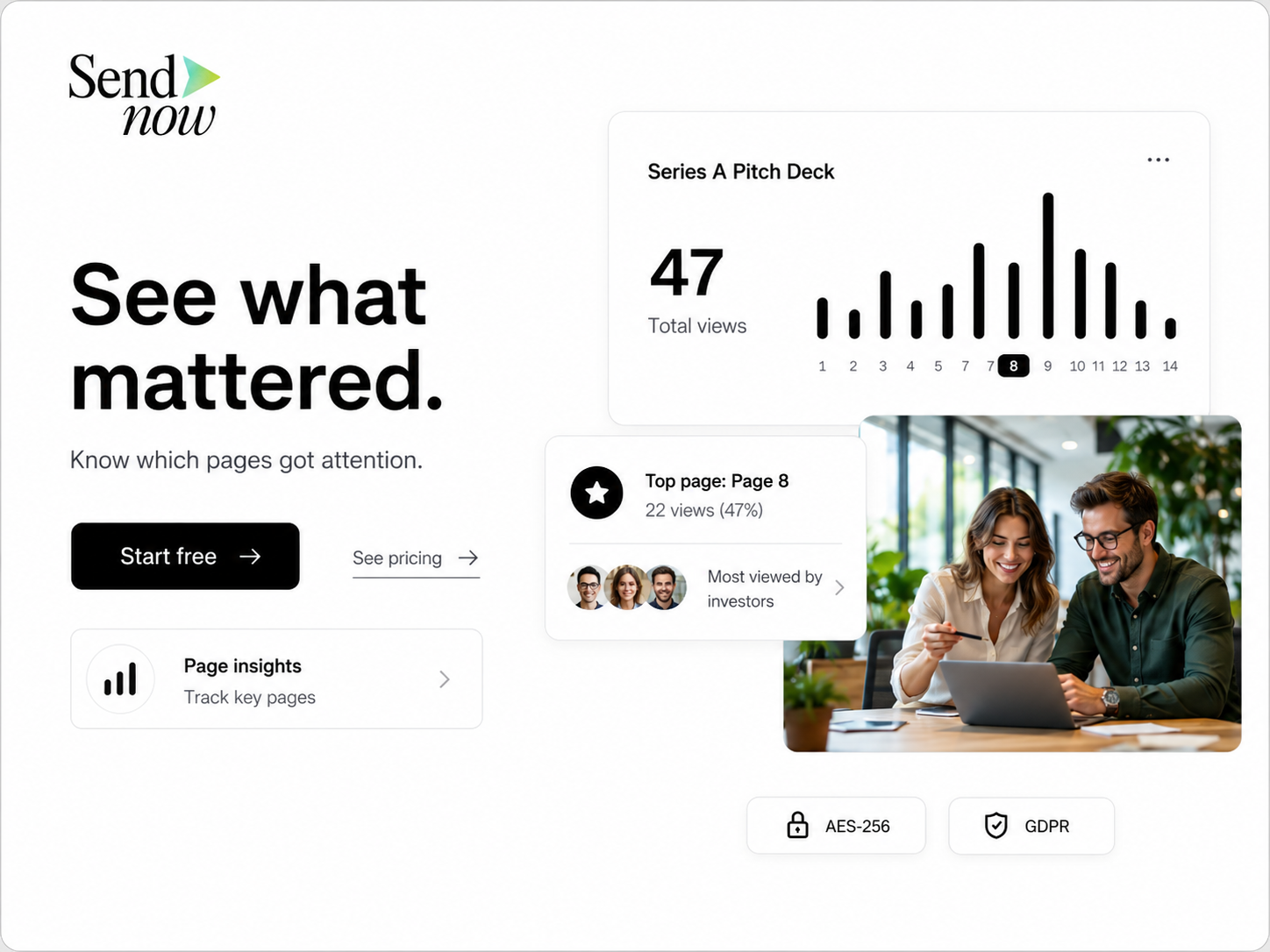
Access audits and activity logging are critical for ensuring compliance with various regulations, including the General Data Protection Regulation (GDPR) and the Health Insurance Portability and Accountability Act (HIPAA). These processes provide organizations with the following benefits:
1. Enhanced Security
By tracking who accesses compliance files and what actions they take, organizations can quickly identify and respond to unauthorized access attempts. This proactive approach enhances overall security.
2. Regulatory Compliance
Many regulations require organizations to maintain detailed records of access to sensitive information. Access audits and activity logging help organizations demonstrate compliance during audits and investigations.
3. Accountability
Activity logging creates a clear audit trail that holds employees accountable for their actions. This can deter malicious behavior and encourage adherence to compliance protocols.
4. Risk Management
Regular audits and activity logging help organizations identify potential vulnerabilities and risks associated with compliance files. By addressing these risks proactively, organizations can reduce the likelihood of data breaches.
SendNow Feature Deep-Dive
One solution that addresses the challenges of access audits and activity logging is SendNow. This platform offers a suite of features designed to enhance security and compliance for file sharing. Here’s how SendNow’s specific controls help mitigate the risks associated with compliance file sharing:
1. Dynamic Watermarking
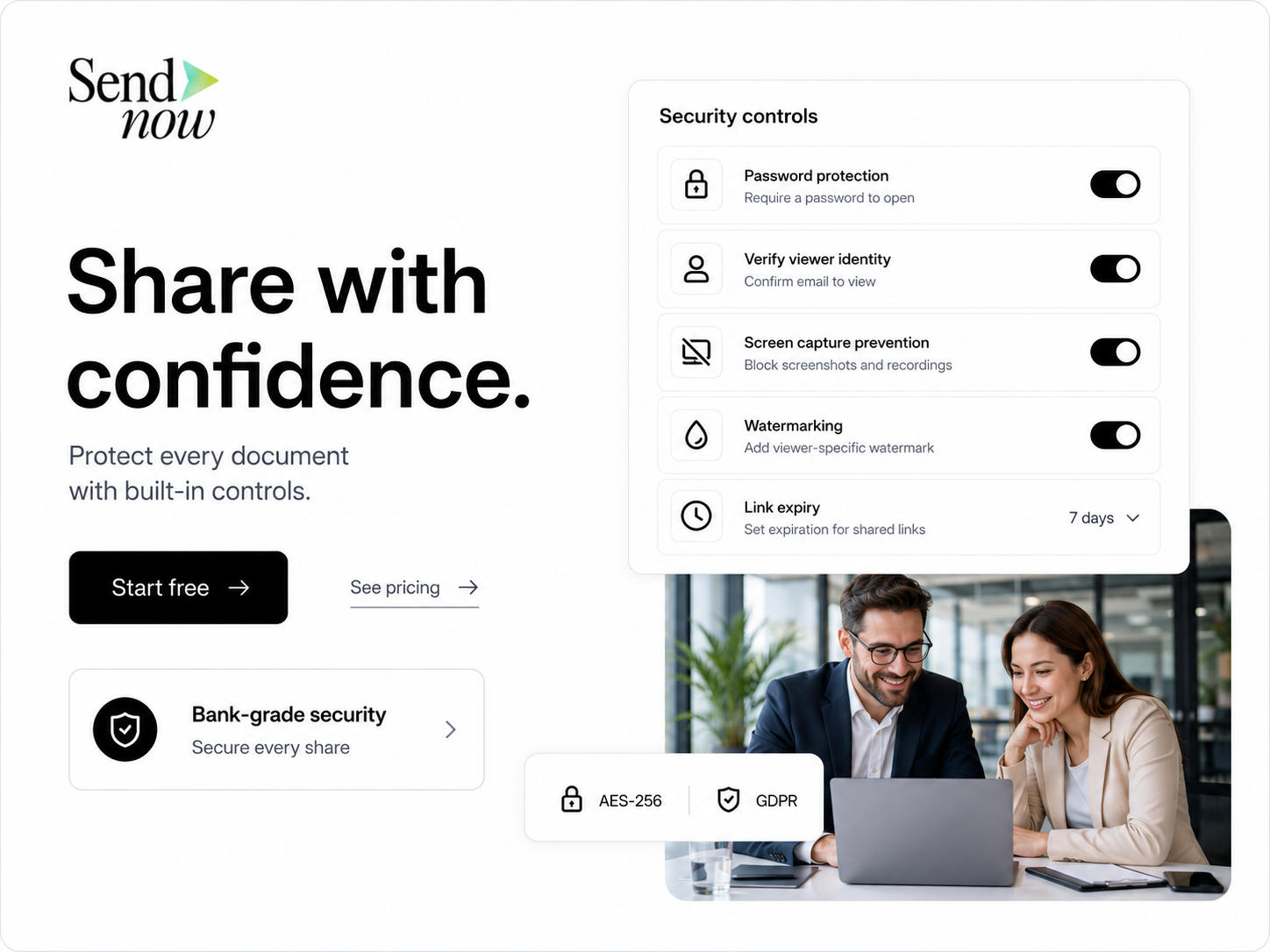
Dynamic watermarking adds a layer of protection to compliance files by embedding user-specific information (such as email addresses) directly onto the document. This discourages unauthorized sharing and helps track the source of any leaks.
2. Screenshot Blocking
SendNow’s screenshot blocking feature prevents users from taking screenshots of compliance files, further safeguarding sensitive information from unauthorized distribution.
3. Require Email Gates
By requiring users to authenticate via email before accessing compliance files, SendNow ensures that only authorized individuals can view sensitive information. This adds an additional layer of security to the file-sharing process.
4. Link Expiry
SendNow allows organizations to set expiration dates for shared links, ensuring that compliance files are only accessible for a limited time. This reduces the risk of unauthorized access after the intended sharing period.
5. NDA Gates
SendNow enables organizations to require users to agree to a Non-Disclosure Agreement (NDA) before accessing compliance files. This legal safeguard reinforces the importance of confidentiality and protects sensitive information.
For more information about SendNow and its features, visit their official LinkedIn page: SendNow LinkedIn.
Technical Walkthrough
Implementing access audits and activity logging using SendNow is straightforward. Here’s a step-by-step guide to help you get started:
Step 1: Uploading Compliance Files
- Log in to SendNow: Navigate to the SendNow dashboard and log in with your credentials.
- Select ‘Upload’: Click on the ‘Upload’ button to select the compliance files you wish to share.
- Choose File(s): Browse your computer and select the files you want to upload. Click ‘Open’ to begin the upload process.
Step 2: Configuring Links
- Set Access Controls: After uploading, configure access controls by selecting options such as dynamic watermarking, screenshot blocking, and email gates.
- Set Expiry Dates: Choose an expiration date for the shared link to limit access duration.
- Add NDA Requirement: If necessary, enable the NDA gate to require users to agree to confidentiality terms before accessing the file.
Step 3: Distributing Files Safely
- Generate Shareable Link: Once the configuration is complete, generate a shareable link for the compliance file.
- Distribute Link: Share the link with authorized users via secure communication channels (e.g., encrypted email).
- Monitor Activity: Regularly review activity logs within SendNow to track who accessed the file and what actions were taken.
ROI & Business Impact
Investing in access audits and activity logging for compliance files can yield significant returns for organizations:
1. Cost-Efficiency
By preventing data breaches and ensuring compliance, organizations can avoid costly fines and legal fees associated with non-compliance. The cost of implementing access audits and activity logging is often far less than the potential financial impact of a data breach.
2. Contract Compliance
Many organizations are required to adhere to contractual obligations regarding data protection. Access audits and activity logging help ensure compliance with these contracts, reducing the risk of penalties.
3. Protection Value
The value of protecting sensitive compliance files cannot be overstated. By implementing robust security measures, organizations can safeguard their reputation, maintain customer trust, and ensure the integrity of their operations.
Structured FAQ
1. How do access audits and activity logging enhance security?
Access audits and activity logging provide organizations with visibility into who accesses compliance files and what actions they take. This information helps identify unauthorized access attempts and enhances overall security.
2. Why is it important to regularly review access permissions?
Regularly reviewing access permissions ensures that employees only have access to the files necessary for their job functions. This minimizes the risk of unauthorized access and helps maintain compliance with regulations.
3. What are the benefits of using SendNow for compliance file sharing?
SendNow offers features such as dynamic watermarking, screenshot blocking, and email gates that enhance security and compliance for file sharing. These features help organizations protect sensitive information and demonstrate compliance during audits.
4. How can organizations ensure compliance with regulations like GDPR?
Organizations can ensure compliance with regulations like GDPR by implementing access audits and activity logging, maintaining detailed records of access to sensitive information, and regularly reviewing access permissions.
5. What steps should organizations take to educate employees about compliance protocols?
Organizations should provide regular training on compliance protocols, conduct simulated phishing attacks, and create clear documentation outlining data security policies to educate employees about the importance of compliance.
Actionable CTA
To ensure the security and compliance of your organization’s sensitive files, consider starting a trial on SendNow today. Experience the benefits of enhanced access controls and activity logging for compliance files. Visit SendNow Trial to get started.