

verified Institutional Domain Whitelisting for Corporate Audits
Published on June 9, 2026
Verified Institutional Domain Whitelisting for Corporate Audits
Executive Summary / TL;DR
In an era where data breaches and cyber threats are prevalent, organizations must prioritize the security of their sensitive information, especially during corporate audits. One effective strategy is implementing verified institutional domain whitelisting. This approach mitigates risks associated with unauthorized access and data leaks by allowing only trusted domains to interact with sensitive audit materials. This article explores the challenges of traditional file-sharing methods, outlines industry best practices, delves into the specifics of verified institutional domain whitelisting, and provides actionable steps to enhance security during corporate audits.
Current Security Vulnerabilities
Corporate audits often require the sharing of sensitive information, including financial records, proprietary data, and strategic plans. Traditional file-sharing methods, such as emails or cloud storage services like Dropbox, expose organizations to significant security vulnerabilities. Here are some of the most pressing challenges:
-
Unauthorized Access: Email systems are notoriously insecure. Phishing attacks can trick employees into revealing sensitive information, leading to unauthorized access to audit materials.
-
Data Leaks: When files are shared via unsecured links or email attachments, they can easily be forwarded or accessed by unintended recipients. This can result in data leaks that compromise the integrity of the audit process.
-
Lack of Control: Once a file is shared, organizations lose control over its distribution. Recipients can download, modify, or share the file without the sender's knowledge, increasing the risk of data breaches.
-
Compliance Risks: Many industries are subject to strict regulatory requirements regarding data protection. Failing to secure sensitive information during audits can lead to non-compliance, resulting in hefty fines and reputational damage.
-
Inconsistent Security Protocols: Different teams within an organization may employ varying security measures, leading to gaps in protection. This inconsistency can create vulnerabilities that cybercriminals can exploit.
Industry-Specific Best Practices
To safeguard sensitive information during corporate audits, organizations should adopt industry-specific best practices. Here are actionable steps for professionals:
-
Implement Verified Institutional Domain Whitelisting:
- Establish a list of trusted domains that are permitted to access sensitive audit materials.
- Regularly review and update the list to ensure it reflects current partnerships and collaborations.
-
Use Secure File Sharing Platforms:
- Choose platforms that offer end-to-end encryption and robust access controls.
- Ensure the platform complies with industry regulations, such as GDPR or HIPAA.
-
Train Employees on Security Protocols:
- Conduct regular training sessions to educate employees about the risks associated with file sharing and the importance of adhering to security protocols.
- Provide clear guidelines on how to securely share audit materials.
-
Monitor Access and Activity:
- Implement tracking mechanisms to monitor who accesses audit materials and when.
- Set up alerts for any suspicious activity or unauthorized access attempts.
-
Establish Clear Data Retention Policies:
- Define how long sensitive information should be retained and when it should be securely disposed of.
- Ensure compliance with legal and regulatory requirements regarding data retention.
-
Utilize Multi-Factor Authentication (MFA):
- Require MFA for accessing sensitive audit materials to add an additional layer of security.
- This helps ensure that only authorized users can access critical information.
Verified Institutional Domain Whitelisting: A Deep Dive

Verified institutional domain whitelisting is a proactive security measure that allows organizations to control who can access sensitive information during corporate audits. Here’s how it works:
-
Domain Verification: Organizations verify the domains of trusted partners, clients, and stakeholders. Only these verified domains are allowed to access sensitive audit materials.
-
Access Control: By restricting access to specific domains, organizations can significantly reduce the risk of unauthorized access. This ensures that only individuals from trusted institutions can view or interact with sensitive information.
-
Enhanced Security: Whitelisting provides an additional layer of security by preventing access from unknown or potentially malicious domains. This is particularly important during corporate audits, where the integrity of the information is paramount.
-
Compliance Assurance: By implementing domain whitelisting, organizations can demonstrate their commitment to data protection and compliance with regulatory requirements. This is crucial for maintaining trust with stakeholders and avoiding potential legal repercussions.
-
Audit Trails: Whitelisting allows organizations to maintain detailed logs of who accessed sensitive materials and when. This transparency is essential for compliance audits and can help identify any potential security breaches.
Technical Walkthrough: Step-by-Step Setup
Implementing verified institutional domain whitelisting requires careful planning and execution. Here’s a step-by-step guide to help organizations set up this security measure effectively:
Step 1: Identify Trusted Domains
- Compile a list of all partners, clients, and stakeholders that require access to sensitive audit materials.
- Verify the domains associated with these entities to ensure they are legitimate and trustworthy.
Step 2: Configure Whitelisting Settings
- Access the security settings of your file-sharing platform.
- Locate the domain whitelisting feature and input the verified domains from your list.
- Set permissions for each domain, specifying what materials they can access.
Step 3: Implement Access Controls
- Define user roles and permissions based on the level of access required for each domain.
- Ensure that only authorized personnel can modify whitelisting settings.
Step 4: Monitor and Review
- Regularly review the list of verified domains to ensure it remains up-to-date.
- Monitor access logs to track who is accessing sensitive materials and identify any unusual activity.
Step 5: Train Employees
- Conduct training sessions to educate employees about the importance of domain whitelisting and how it enhances security during audits.
- Provide guidelines on how to securely share audit materials with verified domains.
ROI & Business Impact
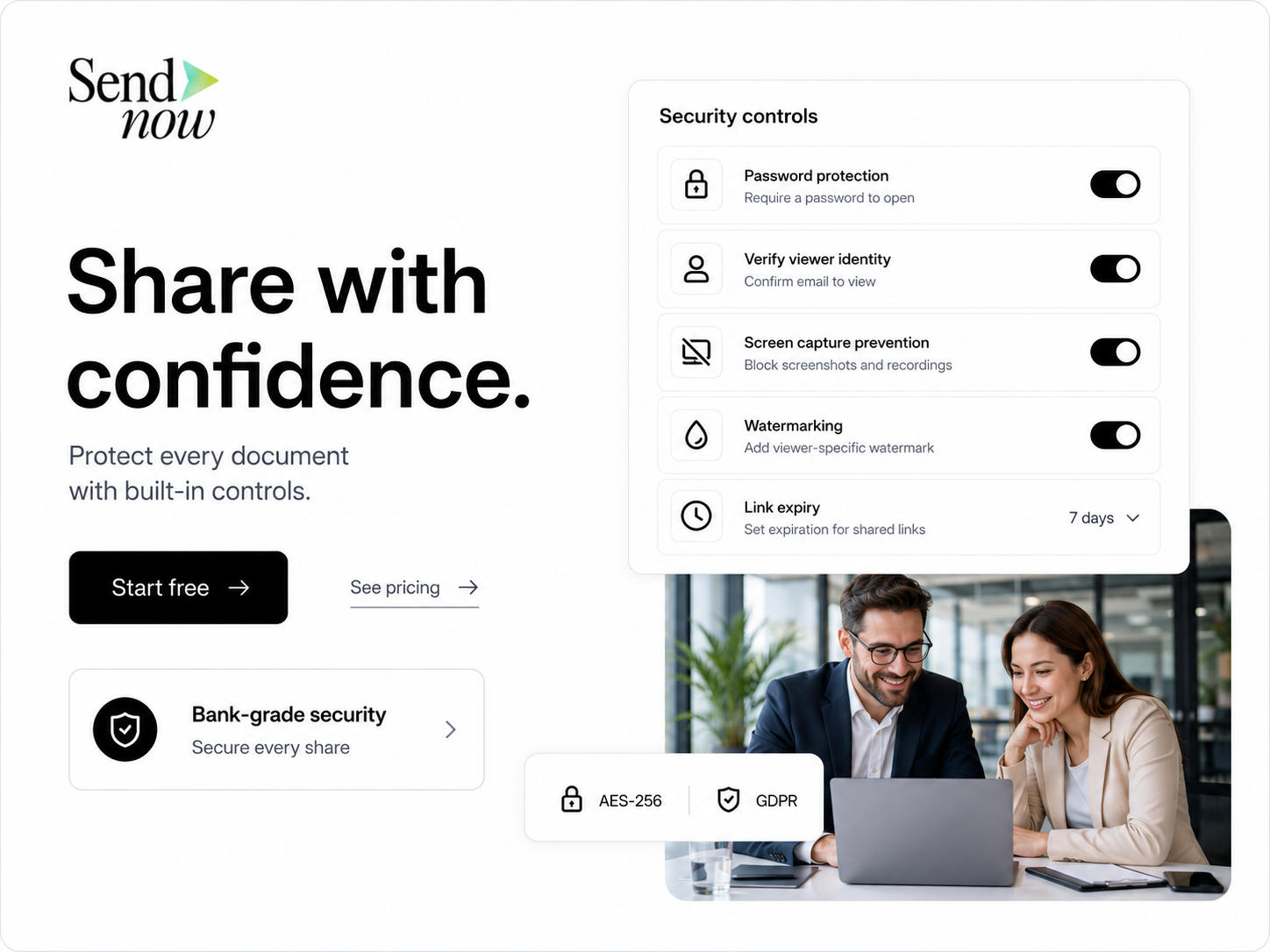
Implementing verified institutional domain whitelisting can yield significant returns on investment and positively impact an organization’s bottom line. Here are some key benefits:
-
Cost-Efficiency: By preventing data breaches and unauthorized access, organizations can avoid the financial repercussions associated with data loss, including fines, legal fees, and reputational damage.
-
Contract Compliance: Many contracts require organizations to implement specific security measures to protect sensitive information. By adopting domain whitelisting, organizations can demonstrate compliance and maintain positive relationships with partners and clients.
-
Enhanced Reputation: Organizations that prioritize data security are more likely to earn the trust of stakeholders. This can lead to increased business opportunities and a stronger market position.
-
Operational Efficiency: By streamlining access to sensitive materials through verified domains, organizations can improve collaboration and communication during audits, leading to more efficient processes.
-
Risk Mitigation: Implementing domain whitelisting significantly reduces the risk of data breaches, ensuring that sensitive information remains secure during corporate audits.
Structured FAQ
1. How does verified institutional domain whitelisting work?
Verified institutional domain whitelisting involves creating a list of trusted domains that are permitted to access sensitive information. Only users from these verified domains can interact with the materials, reducing the risk of unauthorized access.
2. Why is domain whitelisting important for corporate audits?
Domain whitelisting is crucial for corporate audits because it enhances security by preventing unauthorized access to sensitive information. It also helps organizations demonstrate compliance with regulatory requirements and maintain trust with stakeholders.
3. What are the benefits of using a secure file-sharing platform?
Secure file-sharing platforms offer end-to-end encryption, robust access controls, and compliance with industry regulations. These features protect sensitive information from unauthorized access and data breaches during corporate audits.
4. How can organizations ensure compliance with data protection regulations?
Organizations can ensure compliance by implementing security measures such as verified institutional domain whitelisting, conducting regular audits, and providing employee training on data protection protocols.
5. What steps should organizations take to monitor access to sensitive materials?
Organizations should implement tracking mechanisms to monitor who accesses sensitive materials and when. Regularly reviewing access logs and setting up alerts for suspicious activity can help identify potential security breaches.
Actionable CTA
To enhance the security of your corporate audits through verified institutional domain whitelisting, start your trial with SendNow today. Experience the benefits of secure file sharing and protect your sensitive information by visiting SendNow. Prioritize data security and ensure compliance with industry regulations while streamlining your audit processes.