

Dynamic vector Watermarking for M&A operating Models
Published on June 9, 2026
Dynamic Vector Watermarking for M&A Operating Models
Executive Summary / TL;DR
In the fast-paced world of mergers and acquisitions (M&A), the protection of sensitive information is paramount. Traditional file-sharing methods, such as emails and cloud storage solutions, expose critical documents to significant security vulnerabilities, leading to potential leaks and breaches. Dynamic vector watermarking emerges as a robust solution to enhance the security of M&A operating models. This article explores the challenges faced in M&A workflows, the benefits of dynamic vector watermarking, and how organizations can implement this technology to safeguard their confidential data.
Current Security Vulnerabilities
M&A transactions involve the exchange of sensitive documents, including financial records, legal agreements, and strategic plans. Unfortunately, typical file-sharing workflows, such as emails and platforms like Dropbox, expose these files to various security vulnerabilities:
-
Email Risks: Emails are prone to interception, phishing attacks, and accidental forwarding. Once a document is sent via email, it can easily fall into the wrong hands.
-
Cloud Storage Limitations: While cloud storage solutions offer convenience, they often lack robust security features. Unauthorized access, data breaches, and insufficient encryption can lead to significant data leaks.
-
Version Control Issues: In M&A transactions, multiple parties often work on the same documents. Without proper version control, sensitive information can be inadvertently shared or altered.
-
Insider Threats: Employees or contractors with access to sensitive documents may intentionally or unintentionally leak information, posing a significant risk to the organization.
-
Regulatory Compliance: M&A transactions must adhere to various regulations, such as GDPR and SEC guidelines. Failure to protect sensitive information can lead to legal repercussions and financial penalties.
Given these vulnerabilities, organizations must adopt advanced security measures to protect their M&A operating models.
Industry-Specific Best Practices
To mitigate the risks associated with M&A transactions, professionals should implement the following best practices:
Step 1: Conduct a Risk Assessment
Before initiating any M&A transaction, conduct a thorough risk assessment to identify potential vulnerabilities in your current workflows. Evaluate the sensitivity of the information being shared and the potential impact of a data breach.
Step 2: Implement Secure File Sharing Solutions
Transition from traditional file-sharing methods to secure platforms designed specifically for M&A transactions. Look for solutions that offer advanced security features, such as encryption, access controls, and audit trails.
Step 3: Utilize Dynamic Watermarking
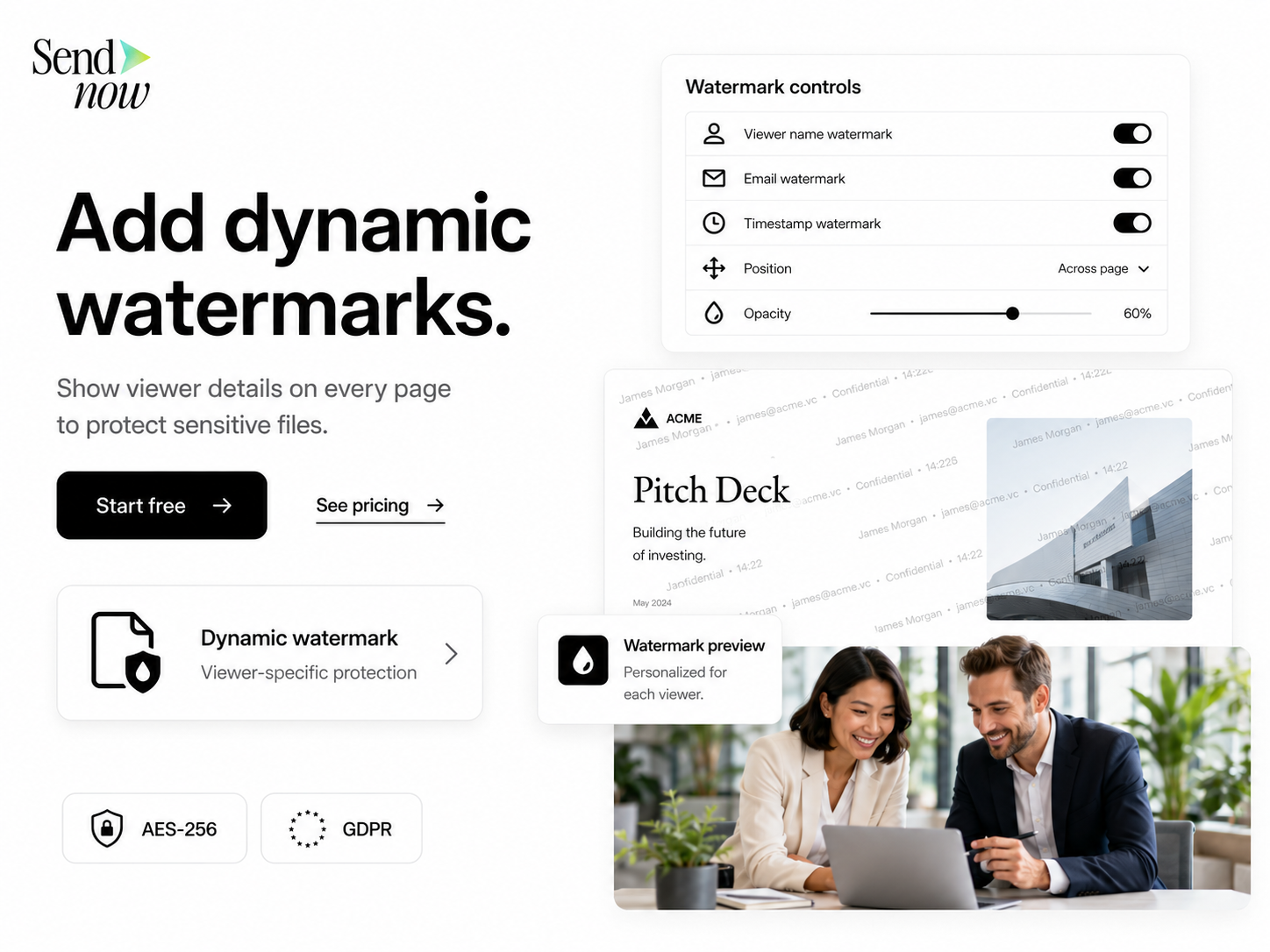
Incorporate dynamic vector watermarking into your document-sharing processes. This technology embeds unique identifiers into each document, making it traceable back to the recipient. If a document is leaked, the watermark can help identify the source of the breach.
Step 4: Establish Clear Access Controls
Limit access to sensitive documents to only those individuals who require it. Implement role-based access controls to ensure that team members can only view or edit documents relevant to their responsibilities.
Step 5: Regularly Train Employees
Conduct regular training sessions for employees on data security best practices. Ensure that all team members understand the importance of protecting sensitive information and are aware of the potential risks associated with M&A transactions.
Step 6: Monitor and Audit Document Access
Implement monitoring and auditing tools to track document access and modifications. Regularly review access logs to identify any suspicious activity and address potential security breaches promptly.
Dynamic Vector Watermarking: A Deep Dive
Dynamic vector watermarking is a powerful tool for enhancing the security of sensitive documents in M&A transactions. Here’s how it works and the specific controls it offers:
What is Dynamic Vector Watermarking?
Dynamic vector watermarking involves embedding unique, identifiable information into digital documents. Unlike static watermarks, which remain unchanged, dynamic watermarks can be customized based on the recipient, document version, or other parameters. This technology allows organizations to track the distribution and usage of sensitive documents effectively.
Key Features of Dynamic Vector Watermarking
-
Dynamic Watermarking: Each document can have a unique watermark that includes the recipient's information, date, and time of access. This ensures that if a document is leaked, the source can be easily identified.
-
Screenshot Blocking: Advanced watermarking solutions can prevent users from taking screenshots of sensitive documents. This feature helps mitigate the risk of unauthorized sharing of confidential information.
-
Email Gates: Require recipients to authenticate their identity through email verification before accessing sensitive documents. This adds an additional layer of security, ensuring that only authorized individuals can view the content.
-
Link Expiry: Set expiration dates for document access links. This feature ensures that sensitive documents cannot be accessed indefinitely, reducing the risk of unauthorized access over time.
-
NDA Gates: Implement Non-Disclosure Agreement (NDA) gates that require recipients to agree to confidentiality terms before accessing sensitive documents. This legal safeguard reinforces the importance of protecting confidential information.
By integrating dynamic vector watermarking into M&A operating models, organizations can significantly reduce the risk of data leaks and enhance the overall security of their transactions.
For more information about dynamic vector watermarking and its applications, visit SendNow's official LinkedIn page.
Technical Walkthrough: Setting Up Dynamic Vector Watermarking
Implementing dynamic vector watermarking in your M&A workflows involves several steps. Here’s a step-by-step guide to help you get started:
Step 1: Choose a Dynamic Watermarking Solution
Select a dynamic watermarking solution that meets your organization's needs. Look for features such as customizable watermarks, screenshot blocking, and email verification.
Step 2: Upload Your Documents
- Log in to your dynamic watermarking platform.
- Navigate to the document upload section.
- Select the files you wish to protect and upload them to the platform.
Step 3: Configure Watermark Settings
- Choose the type of watermark you want to apply (e.g., recipient name, date, document version).
- Set up any additional security features, such as screenshot blocking and email gates.
- Define the expiration date for document access links.
Step 4: Distribute Documents Securely
- Generate secure access links for the uploaded documents.
- Send the links to authorized recipients via email.
- Ensure that recipients authenticate their identity before accessing the documents.

Step 5: Monitor Document Access
- Use the monitoring tools provided by your watermarking solution to track document access.
- Review access logs regularly to identify any suspicious activity.
- Take appropriate action if any unauthorized access is detected.
By following these steps, organizations can effectively implement dynamic vector watermarking into their M&A operating models, enhancing the security of sensitive information.
ROI & Business Impact
Investing in dynamic vector watermarking technology can yield significant returns for organizations involved in M&A transactions. Here are some key benefits:
Cost-Efficiency
By preventing data breaches and leaks, organizations can save substantial costs associated with legal fees, regulatory fines, and reputational damage. The cost of implementing dynamic watermarking is often outweighed by the potential savings from avoiding security incidents.
Contract Compliance
Dynamic vector watermarking helps organizations maintain compliance with various regulations, such as GDPR and SEC guidelines. By protecting sensitive information, organizations can avoid costly penalties and legal repercussions.
Protection Value
The value of protecting sensitive information during M&A transactions cannot be overstated. By implementing dynamic watermarking, organizations can safeguard their intellectual property, trade secrets, and confidential business strategies, ensuring a smoother transaction process.
Structured FAQ
1. How does dynamic vector watermarking work?
Dynamic vector watermarking embeds unique identifiers into digital documents, allowing organizations to track their distribution and usage. Each document can have a customized watermark based on the recipient, making it easier to identify the source of any leaks.
2. Why is dynamic vector watermarking important for M&A transactions?
M&A transactions involve the exchange of sensitive information, making them vulnerable to data breaches. Dynamic vector watermarking enhances document security, helping organizations protect their confidential information and comply with regulatory requirements.
3. What features should I look for in a dynamic watermarking solution?
When choosing a dynamic watermarking solution, look for features such as customizable watermarks, screenshot blocking, email verification, link expiry, and NDA gates. These features enhance document security and help mitigate the risk of data leaks.
4. How can I implement dynamic vector watermarking in my organization?
To implement dynamic vector watermarking, choose a suitable solution, upload your documents, configure watermark settings, distribute documents securely, and monitor access. Following these steps will help you enhance the security of your M&A workflows.
5. What are the potential cost savings of using dynamic vector watermarking?
By preventing data breaches and leaks, organizations can save on legal fees, regulatory fines, and reputational damage. The cost of implementing dynamic watermarking is often outweighed by the potential savings from avoiding security incidents.
Actionable CTA
Protect your sensitive information during M&A transactions by implementing dynamic vector watermarking today. Start your trial on SendNow and experience the benefits of enhanced document security. Visit SendNow to get started!