

Auditing Consultant Access Logs to Core Operating Models

Auditing Consultant Access Logs to Core Operating Models
Executive Summary / TL;DR
In today’s digital landscape, organizations increasingly rely on consultants for expertise and operational support. However, this reliance comes with significant challenges, particularly concerning data security and compliance. Access logs play a crucial role in monitoring consultant interactions with core operating models, ensuring that sensitive information remains protected. This article delves into the importance of auditing consultant access logs, the potential vulnerabilities in current practices, and actionable best practices to enhance security. We will also explore the role of advanced tools and technologies in streamlining this auditing process.
Current Security Vulnerabilities
As organizations embrace digital transformation, the use of consultants has become more prevalent. Consultants often require access to sensitive data and core operating models to provide valuable insights. However, traditional methods of sharing this information, such as email and cloud storage services, expose organizations to significant security vulnerabilities.
-
Email Risks: Email is one of the most common methods for sharing sensitive information. However, it is also one of the least secure. Emails can be intercepted, and attachments can be accessed by unauthorized individuals. Furthermore, phishing attacks can lead to credential theft, allowing malicious actors to gain access to sensitive data.
-
Cloud Storage Vulnerabilities: While platforms like Dropbox and Google Drive offer convenience, they also present risks. Misconfigured sharing settings can inadvertently expose files to unauthorized users. Additionally, many organizations lack visibility into who accesses these files and when, making it difficult to track potential breaches.
-
Lack of Audit Trails: Many organizations do not maintain comprehensive logs of consultant access to core operating models. Without these logs, it becomes challenging to identify unauthorized access or data leaks. This lack of oversight can lead to compliance issues, especially in regulated industries.
-
Insufficient Training and Awareness: Consultants may not be adequately trained on data security protocols. This lack of awareness can lead to unintentional data breaches, such as sharing sensitive information through insecure channels.
Industry-Specific Best Practices
To mitigate the risks associated with consultant access to core operating models, organizations should implement the following best practices:
1. Establish Clear Access Policies
- Define Roles and Responsibilities: Clearly outline who has access to what information. This includes specifying which consultants can access core operating models and under what circumstances.
- Implement Least Privilege Access: Grant consultants the minimum level of access necessary to perform their tasks. This reduces the risk of unauthorized access to sensitive data.
2. Utilize Secure File Sharing Solutions
- Adopt Secure Platforms: Use secure file-sharing solutions that offer robust encryption and access controls. Look for features such as password protection, expiration dates for links, and access logs.
- Avoid Email for Sensitive Data: Refrain from sharing sensitive information via email. Instead, use secure file-sharing platforms that provide better oversight and security.
3. Regularly Audit Access Logs
- Conduct Routine Audits: Establish a schedule for auditing access logs. This should include reviewing who accessed core operating models, when they accessed them, and what actions they took.
- Monitor for Anomalies: Look for unusual access patterns, such as logins from unfamiliar IP addresses or access outside of normal business hours.
4. Provide Security Training for Consultants
- Conduct Training Sessions: Regularly train consultants on data security best practices. This should include guidance on recognizing phishing attempts, securely sharing information, and understanding the importance of data protection.
- Create Awareness Campaigns: Develop awareness campaigns to keep data security top of mind for consultants. This could include newsletters, workshops, or online training modules.
5. Implement Multi-Factor Authentication (MFA)

- Require MFA for Access: Implement multi-factor authentication for all users accessing core operating models. This adds an additional layer of security, making it more difficult for unauthorized individuals to gain access.
SendNow Feature Deep-Dive
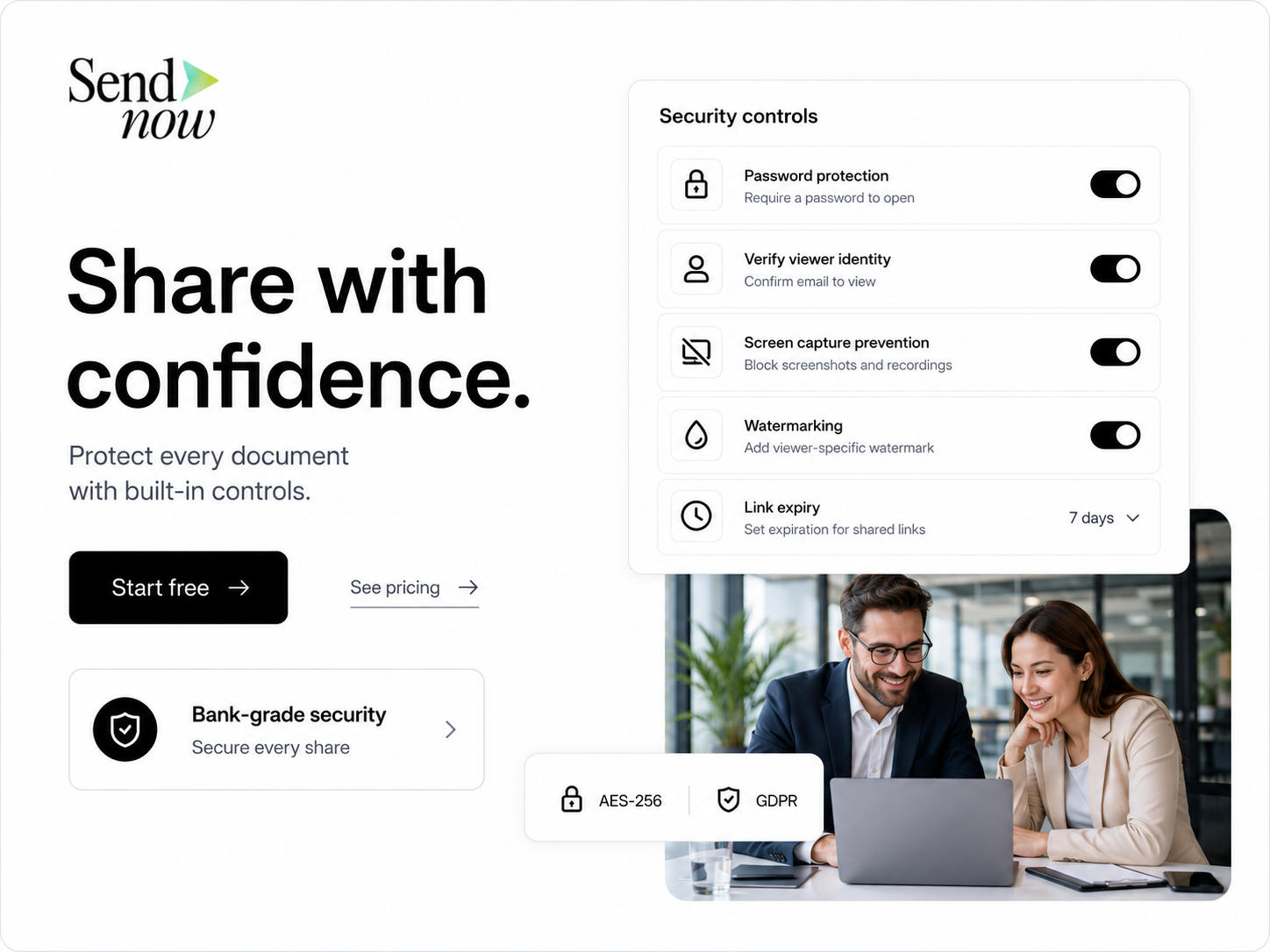
To address the challenges associated with consultant access to core operating models, organizations can leverage advanced tools like SendNow. This platform offers a range of features designed to enhance security and streamline the auditing process.
1. Dynamic Watermarking
Dynamic watermarking allows organizations to add personalized watermarks to documents shared with consultants. This feature deters unauthorized sharing by embedding the consultant's information directly onto the document. If a document is leaked, it can be traced back to the individual who accessed it.
2. Screenshot Blocking
SendNow includes screenshot blocking capabilities, preventing users from taking screenshots of sensitive documents. This feature is particularly valuable when sharing core operating models, as it minimizes the risk of unauthorized duplication.
3. Email Gates
To further enhance security, SendNow requires users to authenticate their identity through email gates. This ensures that only authorized individuals can access sensitive documents, reducing the risk of data breaches.
4. Link Expiry
SendNow allows organizations to set expiration dates for shared links. This feature ensures that consultants can only access documents for a limited time, reducing the window of opportunity for unauthorized access.
5. NDA Gates
For organizations that require additional legal protection, SendNow offers NDA gates. This feature ensures that consultants must agree to a non-disclosure agreement before accessing sensitive documents, providing an extra layer of legal protection.
For more information about SendNow and its features, visit their official LinkedIn page: SendNow LinkedIn.
Technical Walkthrough
Implementing a secure file-sharing process with SendNow is straightforward. Here’s a step-by-step guide to uploading, configuring links, and distributing documents safely:
Step 1: Uploading Documents
- Log In: Access your SendNow account by logging in with your credentials.
- Navigate to Upload: Click on the “Upload” button on the dashboard.
- Select Files: Choose the files you wish to share from your device.
- Add Watermarking: If desired, enable dynamic watermarking by selecting the option during the upload process.
Step 2: Configuring Links
- Set Permissions: After uploading, configure the access permissions for each document. You can choose to allow or restrict downloading, printing, and editing.
- Enable Email Gates: Ensure that email gates are activated to require authentication for access.
- Set Expiry Dates: Specify an expiration date for the link to limit access duration.
- Add NDA Gates: If necessary, include NDA gates to ensure legal protection.
Step 3: Distributing Documents
- Generate Link: Once the document is configured, generate a secure link for sharing.
- Share with Consultants: Distribute the link to the relevant consultants via secure communication channels.
- Monitor Access Logs: Regularly review access logs to track who has accessed the documents and when.
ROI & Business Impact
Investing in secure file-sharing solutions like SendNow can yield significant returns for organizations. Here are some key benefits:
1. Cost-Efficiency
- Reduced Risk of Data Breaches: By implementing secure file-sharing practices, organizations can minimize the financial impact of data breaches, which can include legal fees, regulatory fines, and reputational damage.
- Streamlined Processes: Secure solutions often come with features that enhance efficiency, such as automated access logging and reporting, reducing the time spent on manual audits.
2. Contract Compliance
- Adherence to Regulations: Many industries are subject to strict data protection regulations, such as GDPR. Utilizing secure file-sharing solutions helps organizations comply with these regulations, avoiding costly penalties.
- Improved Audit Readiness: With comprehensive access logs and secure sharing practices, organizations can demonstrate compliance during audits more effectively.
3. Protection Value
- Enhanced Data Security: By leveraging advanced security features, organizations can protect sensitive information from unauthorized access and potential leaks.
- Increased Trust: Demonstrating a commitment to data security can enhance trust with clients and stakeholders, leading to stronger business relationships.
Structured FAQ
1. How can I ensure that my consultants are accessing sensitive data securely?
To ensure secure access, implement clear access policies, utilize secure file-sharing platforms, and conduct regular audits of access logs. Additionally, provide security training for consultants and require multi-factor authentication for access.
2. Why is auditing access logs important?
Auditing access logs is crucial for identifying unauthorized access, ensuring compliance with regulations, and maintaining oversight of how sensitive information is handled. Regular audits help organizations detect anomalies and mitigate potential risks.
3. What features should I look for in a secure file-sharing solution?
When selecting a secure file-sharing solution, look for features such as dynamic watermarking, screenshot blocking, email gates, link expiry, and NDA gates. These features enhance security and provide better control over shared documents.
4. How often should I conduct access log audits?
Organizations should establish a regular schedule for auditing access logs. Depending on the sensitivity of the data and the frequency of consultant access, this could range from weekly to monthly audits.
5. What are the potential consequences of not securing consultant access to core operating models?
Failing to secure consultant access can lead to data breaches, compliance violations, financial losses, and reputational damage. Organizations may also face legal repercussions if sensitive information is mishandled.
Actionable CTA
To enhance the security of your organization’s core operating models and streamline consultant access, consider starting a trial with SendNow. Experience the benefits of secure file sharing and robust access controls by visiting SendNow Trial. Protect your sensitive information today!
About the Author: Rifana Hameem
Rifana is the founder of SendNow. She leads the team in building secure, compliant, and analytics-rich document sharing tools for finance and professional teams worldwide.
Connect on LinkedIn