

How to Generate a Legally Binding Audit Trail for Compliance

How to Generate a Legally Binding Audit Trail for Compliance
Executive Summary / TL;DR
In today's regulatory landscape, organizations face increasing scrutiny regarding their compliance practices. A legally binding audit trail is essential for demonstrating adherence to laws and regulations, safeguarding sensitive information, and ensuring accountability within business operations. This article outlines the challenges organizations encounter in generating a legally binding audit trail, explores the importance of such trails for compliance, and provides actionable steps to create and maintain them effectively. By leveraging modern technology and best practices, organizations can enhance their compliance posture and mitigate risks associated with non-compliance.
Current Security Vulnerabilities
Organizations often rely on traditional methods for documentation and record-keeping, such as emails, physical files, and unsecured cloud storage solutions. These approaches expose sensitive information to various security vulnerabilities, including:
- Data Breaches: Unsecured file-sharing methods can lead to unauthorized access, resulting in data breaches that compromise sensitive information.
- Inconsistent Record-Keeping: Without a centralized system for tracking changes and access, organizations may struggle to maintain accurate records, leading to discrepancies during audits.
- Lack of Accountability: Traditional methods do not provide clear accountability, making it difficult to identify who accessed or modified documents and when.
- Regulatory Non-Compliance: Failing to maintain a legally binding audit trail can result in severe penalties, including fines and reputational damage.
To mitigate these vulnerabilities, organizations must adopt comprehensive strategies that incorporate secure technologies and best practices for audit trail generation.
Industry-Specific Best Practices
Creating a legally binding audit trail requires a systematic approach tailored to the specific needs of your organization. Here are actionable step-by-step methods for professionals across various industries:
1. Define Compliance Requirements
- Identify Relevant Regulations: Understand the regulations applicable to your industry, such as GDPR, HIPAA, or SOX. Each regulation has specific requirements for record-keeping and audit trails.
- Consult Legal Experts: Engage with legal counsel to ensure your audit trail practices align with compliance mandates.
2. Implement Secure Document Management Systems
- Choose a Robust Document Management System (DMS): Select a DMS that offers features such as version control, access logs, and secure sharing options.
- Ensure Data Encryption: Utilize encryption protocols to protect sensitive documents both in transit and at rest.
3. Establish Clear Access Controls
- Role-Based Access: Implement role-based access controls to restrict document access to authorized personnel only.
- Regular Access Reviews: Conduct periodic reviews of access permissions to ensure compliance with internal policies.
4. Maintain Comprehensive Logs
- Automated Logging: Enable automated logging features within your DMS to track all actions taken on documents, including views, edits, and downloads.
- Retention Policies: Establish document retention policies that specify how long audit logs should be maintained in accordance with regulatory requirements.
5. Conduct Regular Audits and Assessments
- Internal Audits: Schedule regular internal audits to assess compliance with audit trail practices and identify areas for improvement.
- Third-Party Assessments: Consider engaging third-party auditors to provide an objective evaluation of your compliance posture.

SendNow Feature Deep-Dive
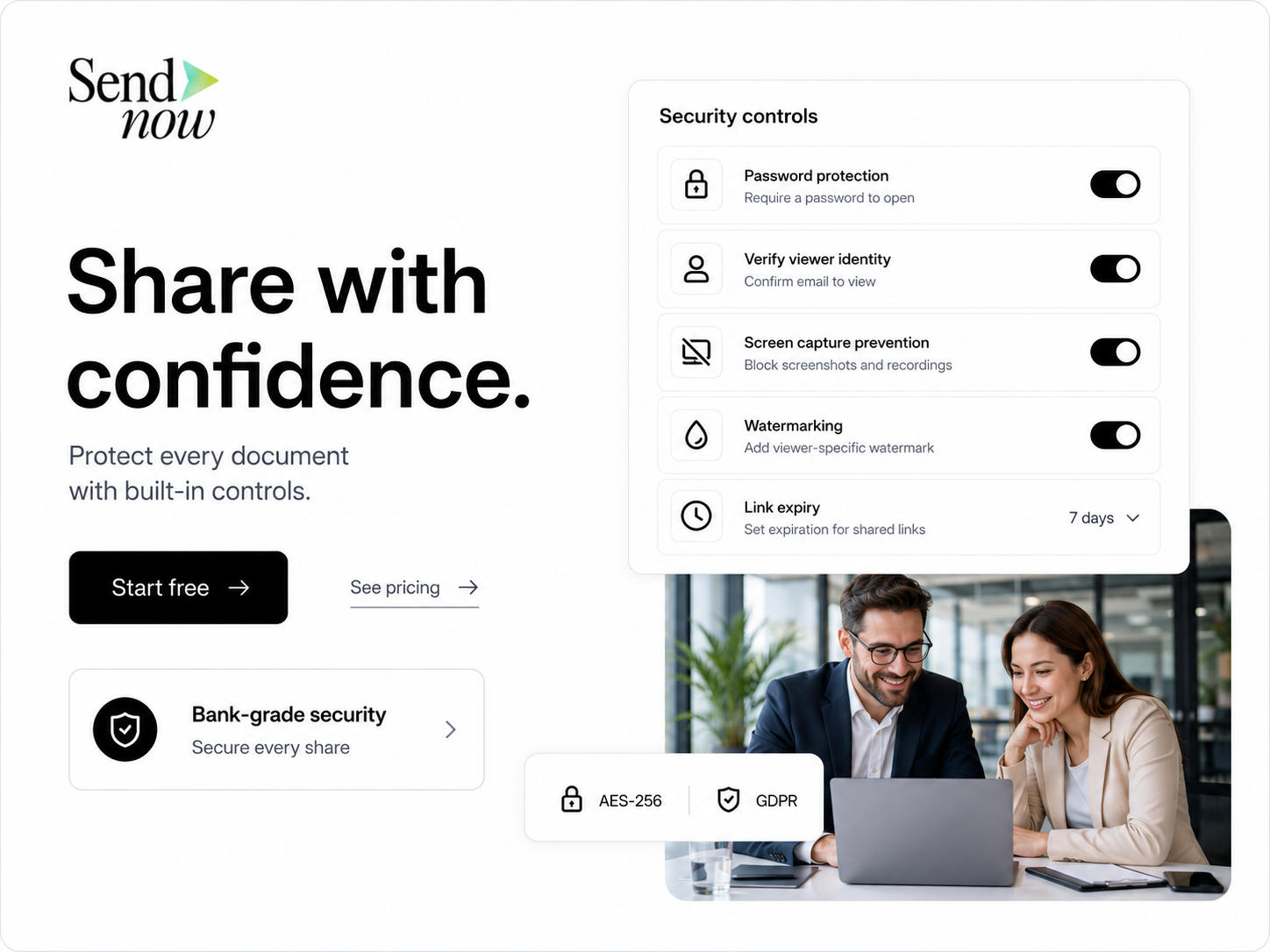
To effectively generate a legally binding audit trail, organizations can leverage advanced features offered by platforms like SendNow. Here’s how SendNow’s specific controls address common compliance challenges:
1. Dynamic Watermarking
Dynamic watermarking adds a layer of security by embedding unique identifiers on documents. This feature deters unauthorized sharing and ensures accountability by clearly indicating the source of the document.
2. Screenshot Blocking
Preventing screenshots of sensitive documents is crucial for maintaining confidentiality. SendNow’s screenshot blocking feature ensures that unauthorized individuals cannot capture or share sensitive information without detection.
3. Email Gates
Requiring users to authenticate via email before accessing documents adds an additional layer of security. This ensures that only authorized individuals can view or interact with sensitive files.
4. Link Expiry
SendNow allows users to set expiration dates for shared links, ensuring that access to sensitive documents is time-limited. This feature reduces the risk of unauthorized access after the intended sharing period.
5. NDA Gates
Incorporating Non-Disclosure Agreement (NDA) gates ensures that recipients agree to confidentiality terms before accessing sensitive documents. This legally binding agreement reinforces the importance of protecting proprietary information.
For more information on how SendNow can enhance your compliance efforts, visit their official LinkedIn page: SendNow LinkedIn.
Technical Walkthrough
Creating a legally binding audit trail using SendNow involves several straightforward steps. Below is a step-by-step guide on uploading, configuring links, and distributing documents safely.
Step 1: Uploading Documents
- Log in to SendNow: Access your SendNow account using your credentials.
- Navigate to the Upload Section: Click on the "Upload" button on the dashboard.
- Select Files: Choose the documents you wish to upload from your device.
- Add Metadata: Include relevant metadata such as document title, description, and tags for easy retrieval.
Step 2: Configuring Links
- Set Access Controls: Before sharing, configure access controls by selecting who can view, edit, or download the document.
- Enable Dynamic Watermarking: Activate dynamic watermarking to deter unauthorized sharing.
- Set Expiration Date: Specify an expiration date for the link to limit access duration.
- Add NDA Gates: If necessary, enable NDA gates to require recipients to agree to confidentiality terms.
Step 3: Distributing Documents
- Generate Shareable Link: Once the document is configured, generate a shareable link.
- Send via Secure Channels: Distribute the link through secure channels, such as encrypted emails or secure messaging platforms.
- Monitor Access Logs: After sharing, regularly monitor access logs to track who accessed the document and when.
ROI & Business Impact
Investing in a legally binding audit trail system offers significant returns on investment (ROI) and business impact:
1. Cost-Efficiency
- Reduced Compliance Costs: By maintaining a robust audit trail, organizations can reduce the costs associated with regulatory fines and penalties.
- Streamlined Processes: Automating audit trail generation reduces the time and resources spent on manual documentation.
2. Contract Compliance
- Enhanced Accountability: A legally binding audit trail ensures that all parties involved in contracts are held accountable for their actions, reducing the risk of disputes.
- Improved Trust: Demonstrating compliance through a transparent audit trail fosters trust with clients, partners, and stakeholders.
3. Protection Value
- Risk Mitigation: A comprehensive audit trail helps organizations identify and mitigate risks associated with data breaches and non-compliance.
- Reputation Management: Maintaining compliance enhances an organization’s reputation, attracting new clients and retaining existing ones.
Structured FAQ
1. How do I create a legally binding audit trail?
To create a legally binding audit trail, implement a secure document management system that tracks all actions taken on documents, establishes clear access controls, and maintains comprehensive logs of user activity.
2. Why is an audit trail important for compliance?
An audit trail is crucial for compliance as it provides evidence of adherence to regulations, demonstrates accountability, and helps organizations identify and mitigate risks associated with non-compliance.
3. What features should I look for in a document management system?
When selecting a document management system, look for features such as automated logging, role-based access controls, data encryption, and the ability to generate dynamic watermarks and NDA gates.
4. How often should I conduct audits of my audit trail practices?
Organizations should conduct regular internal audits at least annually, with additional assessments as needed based on changes in regulations or business operations.
5. What are the consequences of failing to maintain a legally binding audit trail?
Failing to maintain a legally binding audit trail can result in severe penalties, including fines, legal liabilities, and reputational damage, as well as increased scrutiny from regulatory bodies.
Actionable CTA
Ready to enhance your compliance efforts with a legally binding audit trail? Start your trial on SendNow today and experience the benefits of secure document sharing and comprehensive audit trail generation. Visit SendNow Trial to get started!
About the Author: Rifana Hameem
Rifana is the founder of SendNow. She leads the team in building secure, compliant, and analytics-rich document sharing tools for finance and professional teams worldwide.
Connect on LinkedIn