
GDPR Compliance Guidelines for European Auditing Packages

GDPR Compliance Guidelines for European Auditing Packages
Executive Summary / TL;DR
The General Data Protection Regulation (GDPR) has transformed how organizations handle personal data across Europe. For auditing packages, compliance with GDPR is not just a legal obligation but also a crucial aspect of maintaining trust with clients and stakeholders. This article outlines the challenges faced by auditing software in achieving GDPR compliance, highlights current security vulnerabilities, provides industry-specific best practices, and offers actionable steps for software developers and auditing professionals to ensure compliance.
Current Security Vulnerabilities
Auditing packages often handle sensitive personal data, making them prime targets for data breaches and leaks. Common file-sharing workflows, such as email communication and cloud storage solutions like Dropbox, expose files to various vulnerabilities:
-
Email Vulnerabilities: Emails can be intercepted, and attachments can be accessed by unauthorized individuals. Phishing attacks can lead to data breaches, compromising sensitive information.
-
Cloud Storage Risks: While cloud storage solutions offer convenience, they can also pose risks. Data stored in the cloud may be accessible to unauthorized users if proper access controls are not implemented.
-
Lack of Encryption: Many auditing packages fail to encrypt data both at rest and in transit, making it easier for malicious actors to access sensitive information.
-
Inadequate User Authentication: Weak authentication mechanisms can lead to unauthorized access to auditing data, increasing the risk of data breaches.
-
Data Retention Issues: Organizations may retain personal data longer than necessary, violating GDPR’s principles of data minimization and storage limitation.
Understanding these vulnerabilities is critical for developing a robust compliance strategy that adheres to GDPR requirements.
Industry-Specific Best Practices
To ensure GDPR compliance in auditing packages, organizations should adopt the following best practices:
1. Conduct a Data Protection Impact Assessment (DPIA)
Before implementing an auditing package, conduct a DPIA to identify potential risks associated with processing personal data. This assessment should evaluate the necessity and proportionality of data processing activities.
2. Implement Strong Access Controls
Ensure that only authorized personnel have access to sensitive data. Use role-based access controls (RBAC) to limit access based on job responsibilities. Regularly review and update access permissions.
3. Encrypt Data
Implement encryption for data both at rest and in transit. This ensures that even if data is intercepted, it remains unreadable to unauthorized users. Use strong encryption standards such as AES-256.
4. Establish Data Retention Policies
Create clear data retention policies that outline how long personal data will be stored and the process for securely deleting data once it is no longer needed. Ensure compliance with GDPR’s principles of data minimization and storage limitation.
5. Train Employees on Data Protection
Conduct regular training sessions for employees on GDPR compliance and data protection best practices. Ensure that staff understands the importance of safeguarding personal data and the potential consequences of non-compliance.
6. Implement Incident Response Plans
Develop and maintain an incident response plan to address potential data breaches. This plan should outline the steps to take in the event of a breach, including notification procedures for affected individuals and regulatory authorities.
7. Regularly Review and Update Policies
GDPR compliance is an ongoing process. Regularly review and update data protection policies and practices to ensure they remain effective and compliant with evolving regulations.
SendNow Feature Deep-Dive
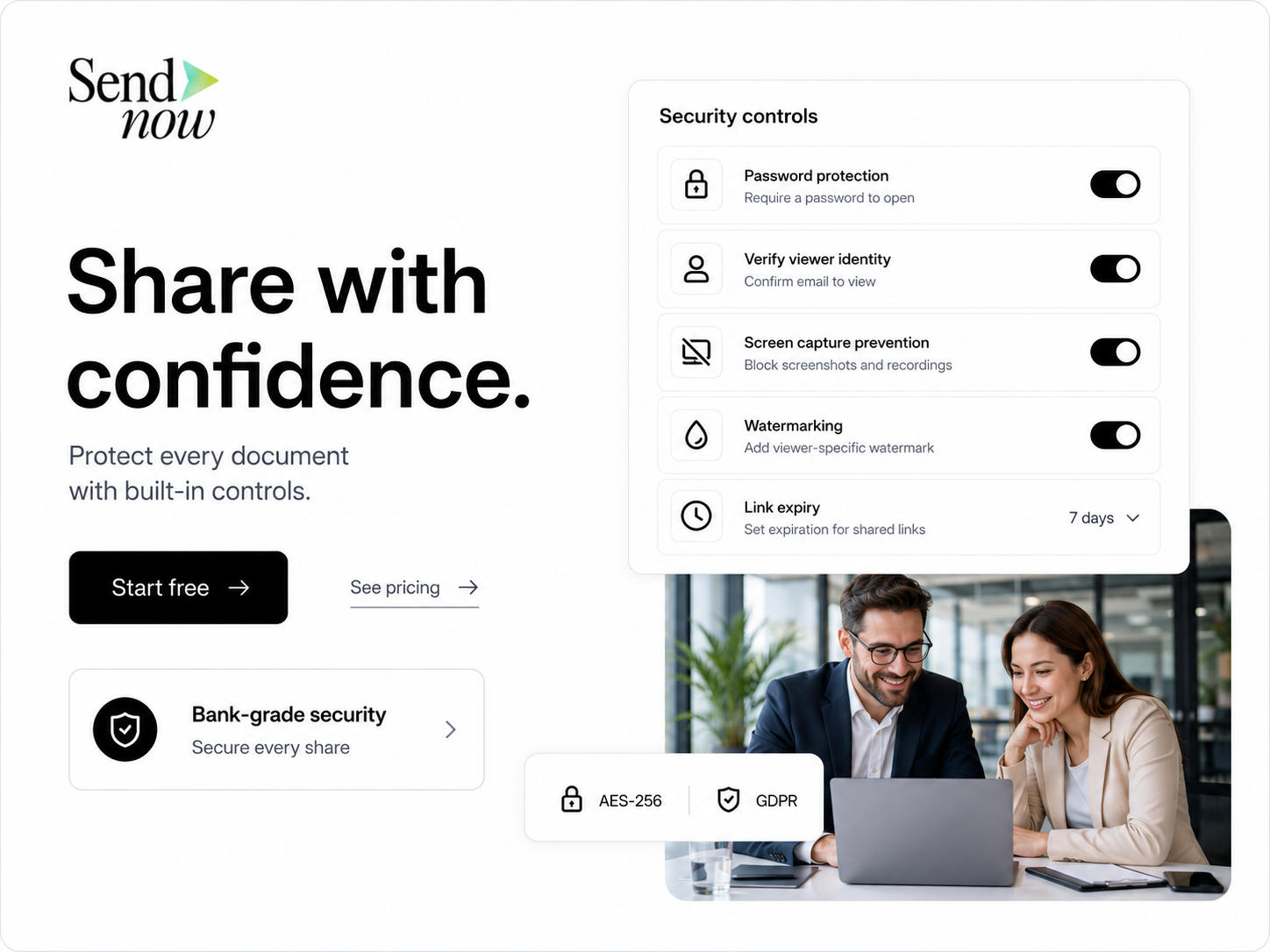
For organizations looking to enhance their auditing packages with robust security features, SendNow offers a suite of controls designed to mitigate data leaks and ensure GDPR compliance. Here are some of the key features:
1. Dynamic Watermarking
Dynamic watermarking adds a layer of security by embedding unique identifiers on shared documents. This discourages unauthorized sharing and helps trace leaks back to the source, enhancing accountability.
2. Screenshot Blocking
SendNow’s screenshot blocking feature prevents users from taking screenshots of sensitive documents. This is particularly useful when sharing confidential auditing information, as it minimizes the risk of data being captured and shared without authorization.
3. Require Email Gates
By requiring users to authenticate via email before accessing documents, SendNow ensures that only authorized individuals can view sensitive information. This adds an extra layer of security to the file-sharing process.
4. Link Expiry
SendNow allows users to set expiration dates for shared links, ensuring that access to sensitive documents is time-limited. This reduces the risk of unauthorized access after the intended sharing period has ended.
5. NDA Gates
Organizations can implement Non-Disclosure Agreement (NDA) gates, requiring users to agree to specific terms before accessing sensitive documents. This reinforces the importance of confidentiality and legal compliance.
For more information on how SendNow can enhance your auditing package’s compliance with GDPR, visit their official LinkedIn page.
Technical Walkthrough
Step 1: Uploading Documents
- Log in to SendNow: Access your SendNow account using your credentials.
- Navigate to the Upload Section: Click on the "Upload" button on the dashboard.
- Select Files: Choose the auditing documents you wish to share and click "Open."
- Add Metadata: Optionally, add relevant metadata such as document title, description, and tags for easier identification.
Step 2: Configuring Links
- Set Permissions: After uploading, configure permissions for the document. Choose who can view, edit, or download the file.
- Enable Security Features: Activate dynamic watermarking, screenshot blocking, and NDA gates as needed.
- Set Expiry Date: Specify an expiration date for the link to limit access duration.
Step 3: Distributing Documents
- Generate Shareable Link: Once the document is configured, generate a shareable link.
- Send via Secure Channels: Distribute the link through secure channels, ensuring that recipients are authorized individuals.
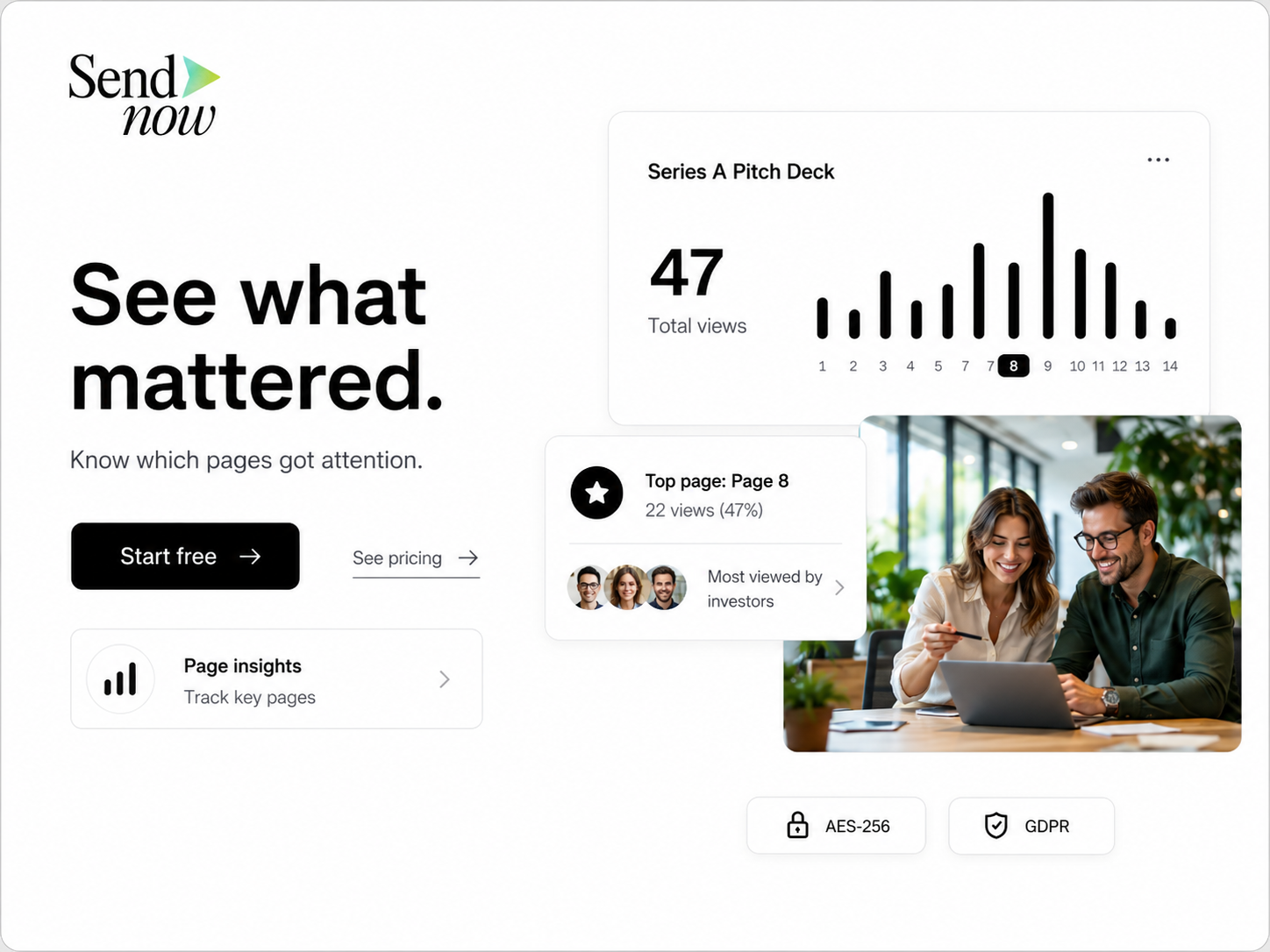
- Monitor Access: Use SendNow’s tracking features to monitor who accesses the document and when.
ROI & Business Impact
Investing in GDPR-compliant auditing packages can yield significant returns for organizations:
1. Cost-Efficiency
By implementing robust data protection measures, organizations can avoid costly fines associated with GDPR non-compliance. The average fine for a GDPR violation can reach up to €20 million or 4% of annual global turnover, whichever is higher.
2. Contract Compliance
Many organizations are required to comply with GDPR as part of contractual obligations with clients and partners. Ensuring compliance can enhance business relationships and open doors to new opportunities.
3. Protection Value
Investing in secure auditing packages protects sensitive data from breaches, safeguarding the organization’s reputation and maintaining client trust. This can lead to increased customer loyalty and retention.
Structured FAQ
1. How does GDPR affect auditing packages?
GDPR imposes strict regulations on how organizations collect, process, and store personal data. Auditing packages must implement measures to ensure compliance, including data protection assessments, encryption, and access controls.
2. Why is data encryption important for GDPR compliance?
Data encryption protects sensitive information from unauthorized access. Under GDPR, organizations are required to implement appropriate technical measures to safeguard personal data, making encryption a critical component of compliance.
3. What are the consequences of non-compliance with GDPR?
Non-compliance with GDPR can result in significant fines, reputational damage, and loss of customer trust. Organizations may also face legal actions from affected individuals or regulatory authorities.
4. How can organizations ensure data minimization?
Organizations can ensure data minimization by only collecting and processing personal data that is necessary for specific purposes. Regularly reviewing data retention policies and securely deleting unnecessary data is also essential.
5. What role does employee training play in GDPR compliance?
Employee training is crucial for ensuring that staff understand their responsibilities regarding data protection. Regular training sessions can help prevent data breaches caused by human error and reinforce the importance of compliance.
Actionable CTA
To ensure your auditing package is compliant with GDPR and equipped with robust security features, start a trial on SendNow today. Visit SendNow to explore how their platform can enhance your data protection strategies and streamline your auditing processes.
About the Author: Rifana Hameem
Rifana is the founder of SendNow. She leads the team in building secure, compliant, and analytics-rich document sharing tools for finance and professional teams worldwide.
Connect on LinkedIn