
Gating Historical Audits and Tax Packages Securely

Gating Historical Audits and Tax Packages Securely
Executive Summary / TL;DR
In today’s digital landscape, the secure sharing of sensitive documents such as historical audits and tax packages is paramount. Organizations face numerous challenges in safeguarding these documents against unauthorized access and data breaches. Traditional file-sharing methods, such as email and cloud storage services like Dropbox, often expose sensitive information to significant security vulnerabilities. This article will explore these vulnerabilities, industry-specific best practices for secure document sharing, and how SendNow’s innovative features can help organizations mitigate risks. We will provide a technical walkthrough for setting up secure document sharing, discuss the return on investment (ROI) and business impact of using secure sharing solutions, and conclude with a structured FAQ section.
Current Security Vulnerabilities
The conventional methods of sharing sensitive documents, particularly through email and common file-sharing platforms, present numerous security vulnerabilities.
-
Email Security Risks: Emails can be intercepted, leading to unauthorized access to sensitive information. Phishing attacks can trick employees into revealing confidential data or clicking on malicious links.
-
Cloud Storage Risks: While services like Dropbox offer convenience, they often lack robust security controls. Files can be accessed by anyone with the link, and without proper permissions, sensitive information can easily be leaked.
-
Version Control Issues: When documents are shared via email or cloud storage, tracking versions becomes challenging. This can lead to the use of outdated or incorrect information, which can have serious implications during audits or tax assessments.
-
Insufficient Access Controls: Many file-sharing platforms do not offer granular access controls. This means that once a document is shared, anyone with access can view, edit, or share it further, increasing the risk of leaks.
-
Lack of Compliance: Organizations must adhere to various regulatory requirements, such as GDPR and HIPAA. Traditional sharing methods often fail to meet these compliance standards, exposing organizations to legal risks.
Industry-Specific Best Practices
To mitigate the risks associated with sharing historical audits and tax packages, organizations should adopt the following best practices:
-
Implement Secure File Sharing Solutions: Utilize dedicated secure file-sharing platforms that offer advanced security features. These platforms should provide encryption, access controls, and audit trails.
-
Use Dynamic Watermarking: Add dynamic watermarks to documents to deter unauthorized sharing. Watermarks can include the recipient's email address or timestamp, making it clear who accessed the document.
-
Set Expiration Dates for Links: When sharing documents, set expiration dates for access links. This ensures that even if a link is shared inappropriately, it will become inactive after a certain period.
-
Require Email Authentication: Before granting access to sensitive documents, require recipients to authenticate their email addresses. This adds an additional layer of security and ensures that only authorized individuals can access the information.
-
Conduct Regular Security Audits: Regularly assess your file-sharing practices and security measures. This helps identify vulnerabilities and ensures compliance with industry regulations.
-
Train Employees on Security Protocols: Provide training for employees on the importance of secure document sharing and the specific protocols they should follow. This includes recognizing phishing attempts and understanding the risks associated with sharing sensitive information.
SendNow Feature Deep-Dive
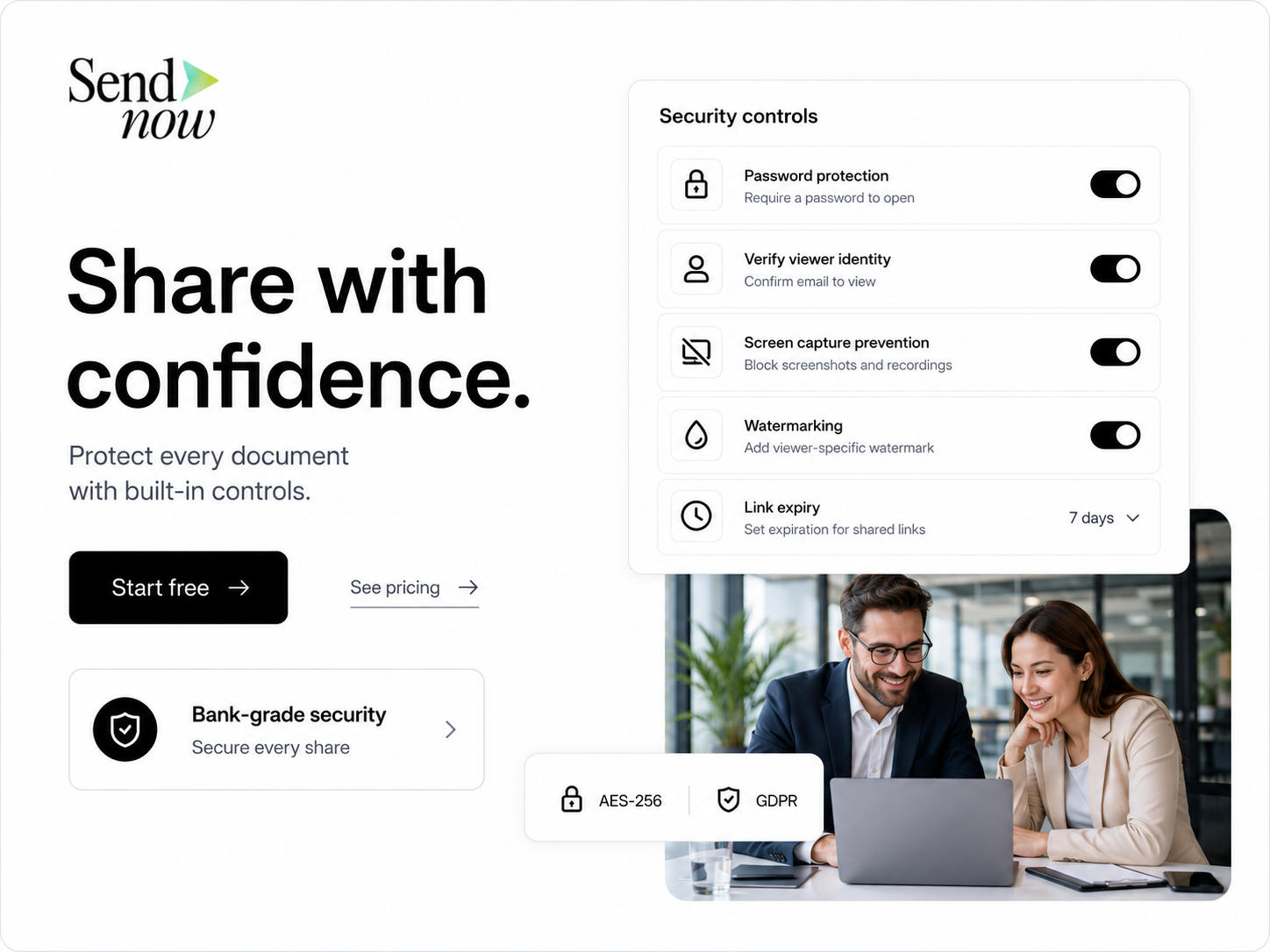
SendNow offers a robust solution for securely sharing historical audits and tax packages. Its unique features address the vulnerabilities associated with traditional file-sharing methods:
-
Dynamic Watermarking: SendNow allows users to add dynamic watermarks to documents. These watermarks serve as a deterrent against unauthorized sharing and help track document access.
-
Screenshot Blocking: One of the standout features of SendNow is its ability to block screenshots. This prevents recipients from capturing sensitive information displayed on their screens, further safeguarding the data.
-
Email Gates: SendNow requires recipients to authenticate their email addresses before accessing shared documents. This ensures that only authorized individuals can view sensitive information.
-
Link Expiry: Users can set expiration dates for shared links, ensuring that access is temporary and reducing the risk of unauthorized access over time.
-
NDA Gates: SendNow allows organizations to require recipients to agree to non-disclosure agreements (NDAs) before accessing sensitive documents. This adds a legal layer of protection against unauthorized sharing.
For more information about SendNow and its features, visit their official LinkedIn page: SendNow LinkedIn.
Additionally, organizations must remain compliant with regulations such as GDPR, which emphasizes the importance of data protection and privacy. For more information on GDPR, visit GDPR Info.
Technical Walkthrough
Setting up SendNow for secure document sharing is straightforward. Follow these steps to upload, configure links, and distribute documents safely:
Step 1: Uploading Documents
- Log into SendNow: Access your SendNow account through the official website.
- Navigate to the Upload Section: Click on the “Upload” button on the dashboard.
- Select Files: Choose the historical audits or tax packages you wish to share. Ensure that the documents are in a supported format (e.g., PDF, DOCX).
- Upload: Click “Upload” to add the files to your SendNow account.
Step 2: Configuring Links
- Select Uploaded Document: Once uploaded, select the document you want to share.
- Set Permissions: Configure access permissions, including dynamic watermarking, screenshot blocking, and email authentication.
- Set Expiry Date: Choose an expiration date for the link to limit access duration.
- Add NDA Requirement: If necessary, enable the NDA gate to ensure recipients agree to confidentiality terms.
Step 3: Distributing Documents
- Generate Shareable Link: After configuring the document settings, generate a shareable link.
- Send the Link: Distribute the link via email or through your organization’s communication channels. Ensure that recipients are aware of the access requirements.
- Monitor Access: Use SendNow’s tracking features to monitor who accesses the document and when.
ROI & Business Impact
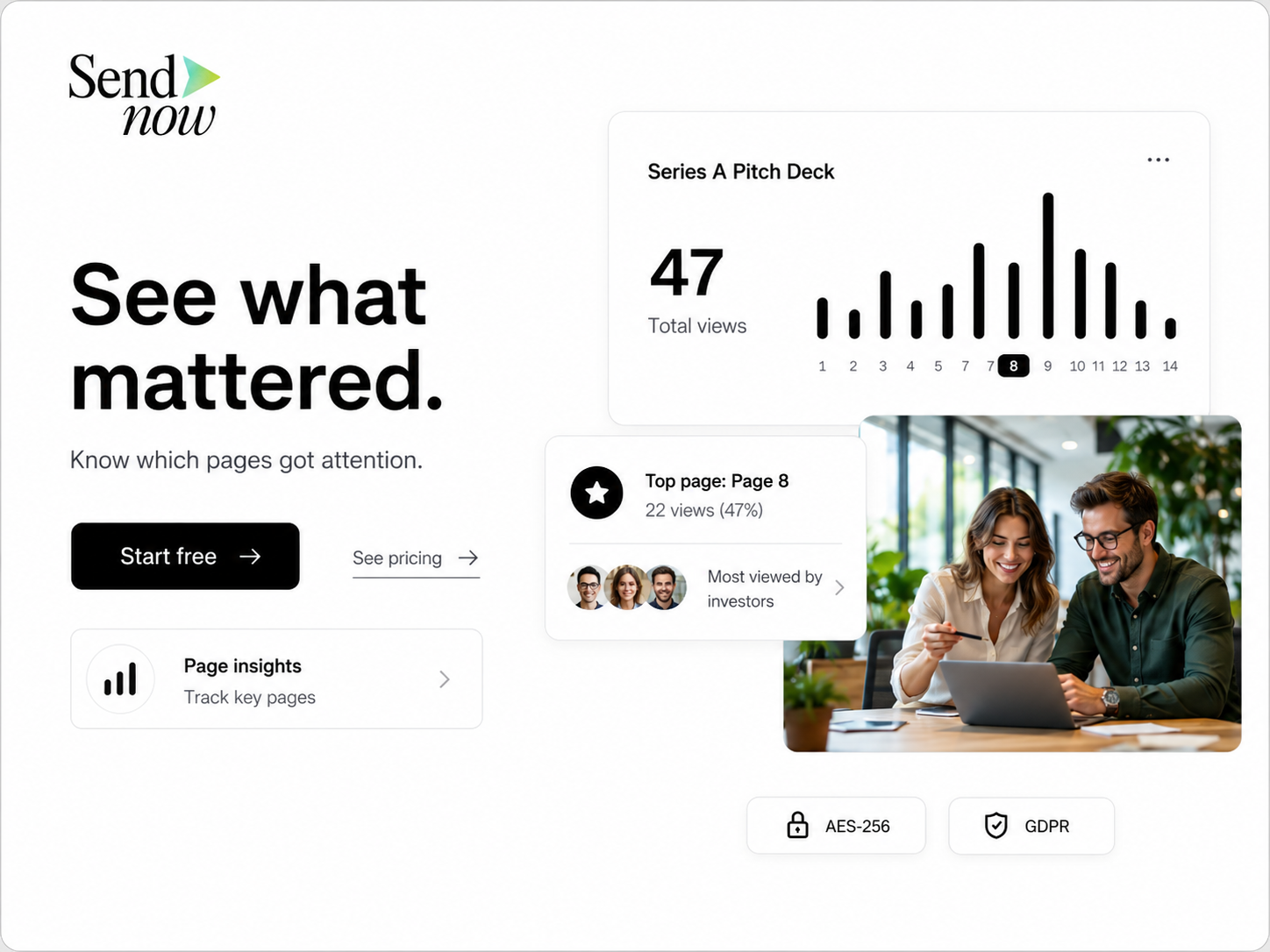
Investing in secure document sharing solutions like SendNow can yield significant returns for organizations. Here are some key benefits:
-
Cost-Efficiency: By reducing the risk of data breaches and the associated costs (legal fees, fines, reputational damage), organizations can save money in the long run.
-
Contract Compliance: Secure sharing solutions help ensure compliance with industry regulations, reducing the risk of non-compliance penalties.
-
Protection Value: The ability to control access to sensitive documents enhances data protection, safeguarding the organization’s intellectual property and confidential information.
-
Improved Efficiency: Secure sharing solutions streamline the document-sharing process, allowing teams to collaborate more effectively without compromising security.
-
Enhanced Reputation: Organizations that prioritize data security build trust with clients and stakeholders, enhancing their reputation in the market.
Structured FAQ
1. How does SendNow ensure the security of shared documents?
SendNow employs multiple security features, including dynamic watermarking, screenshot blocking, email authentication, link expiration, and NDA gates, to ensure that shared documents remain secure.
2. Why is it important to use secure file-sharing solutions?
Using secure file-sharing solutions mitigates the risks associated with traditional methods, such as data breaches and unauthorized access, ensuring that sensitive information remains protected.
3. What types of documents can I share using SendNow?
SendNow supports various document formats, including PDFs, Word documents, and Excel spreadsheets, making it suitable for sharing historical audits, tax packages, and other sensitive files.
4. How can I monitor who accesses my shared documents?
SendNow provides tracking features that allow users to monitor document access, including who viewed the document and when, helping organizations maintain oversight of sensitive information.
5. What should I do if a document is accessed by an unauthorized user?
If you suspect unauthorized access, you can immediately revoke the shared link through SendNow’s dashboard, preventing further access to the document.
Actionable CTA
Ready to enhance the security of your historical audits and tax packages? Start a trial on SendNow today and experience the benefits of secure document sharing. Visit SendNow Trial to get started!
In conclusion, securing the sharing of historical audits and tax packages is critical in today’s digital environment. By adopting best practices and utilizing innovative solutions like SendNow, organizations can protect sensitive information, ensure compliance, and enhance their overall security posture.
About the Author: Rifana Hameem
Rifana is the founder of SendNow. She leads the team in building secure, compliant, and analytics-rich document sharing tools for finance and professional teams worldwide.
Connect on LinkedIn