
How to Prevent Unauthorized Sharing of Tax Records

How to Prevent Unauthorized Sharing of Tax Records
Executive Summary / TL;DR
In an age where data breaches and unauthorized sharing of sensitive information are rampant, protecting tax records has become a paramount concern for individuals and businesses alike. Tax records contain sensitive personal and financial information that, if exposed, can lead to identity theft, financial fraud, and severe legal consequences. This article outlines the challenges associated with unauthorized sharing of tax records, the vulnerabilities inherent in traditional sharing methods, and actionable best practices to safeguard this crucial information. We will also explore advanced solutions, such as SendNow, which offer robust features to prevent unauthorized access and sharing.
Current Security Vulnerabilities
Tax records are often shared through traditional methods such as email, cloud storage services like Dropbox, or even physical mail. Each of these methods presents unique vulnerabilities:
-
Email Risks: Email is one of the most common ways to share documents, but it is also one of the least secure. Emails can be intercepted during transmission, and if a recipient's email account is compromised, unauthorized individuals can gain access to sensitive documents. Additionally, emails can be mistakenly sent to the wrong recipient, leading to unintentional data leaks.
-
Cloud Storage Risks: While cloud storage solutions offer convenience, they often lack robust security measures. Users may inadvertently share files with incorrect permissions, allowing unauthorized individuals to access sensitive tax records. Furthermore, cloud services can be susceptible to hacking, putting stored documents at risk.
-
Physical Mail Risks: Sending tax records through physical mail can lead to loss or theft. Documents can be intercepted during transit, and if they are not securely packaged, they may be exposed to unauthorized individuals.
-
Inadequate User Awareness: Many individuals and businesses lack awareness of the risks associated with sharing sensitive information. This can lead to poor practices, such as using weak passwords or failing to implement two-factor authentication.
Industry-Specific Best Practices
To effectively prevent unauthorized sharing of tax records, professionals should adopt the following best practices:
Step 1: Use Secure File Sharing Solutions
Opt for secure file-sharing platforms that offer end-to-end encryption and advanced security features. These platforms should allow you to control who can access your documents and track any activity related to them.
Step 2: Implement Access Controls
Establish strict access controls to limit who can view or edit tax records. Use role-based access permissions to ensure that only authorized personnel can access sensitive information.
Step 3: Educate Employees
Conduct regular training sessions to educate employees about the importance of data security and the risks associated with unauthorized sharing. Provide guidelines on how to handle sensitive information securely.
Step 4: Monitor and Audit Access
Regularly monitor and audit access to tax records. Implement logging mechanisms to track who accessed the documents and when. This can help identify any unauthorized access attempts.
Step 5: Use Strong Passwords and Two-Factor Authentication
Encourage the use of strong, unique passwords for all accounts that access tax records. Implement two-factor authentication to add an extra layer of security.
Step 6: Regularly Update Security Protocols
Stay informed about the latest security threats and regularly update your security protocols to address any vulnerabilities. This includes updating software and implementing new security measures as needed.
SendNow Feature Deep-Dive
SendNow is an innovative file-sharing solution designed to address the vulnerabilities associated with traditional methods of sharing sensitive documents, such as tax records. Here are some of the key features that make SendNow an ideal choice for secure tax record sharing:
Dynamic Watermarking
SendNow allows users to apply dynamic watermarks to documents, which display the recipient's information. This discourages unauthorized sharing, as any leaked documents can be traced back to the original recipient.
Screenshot Blocking
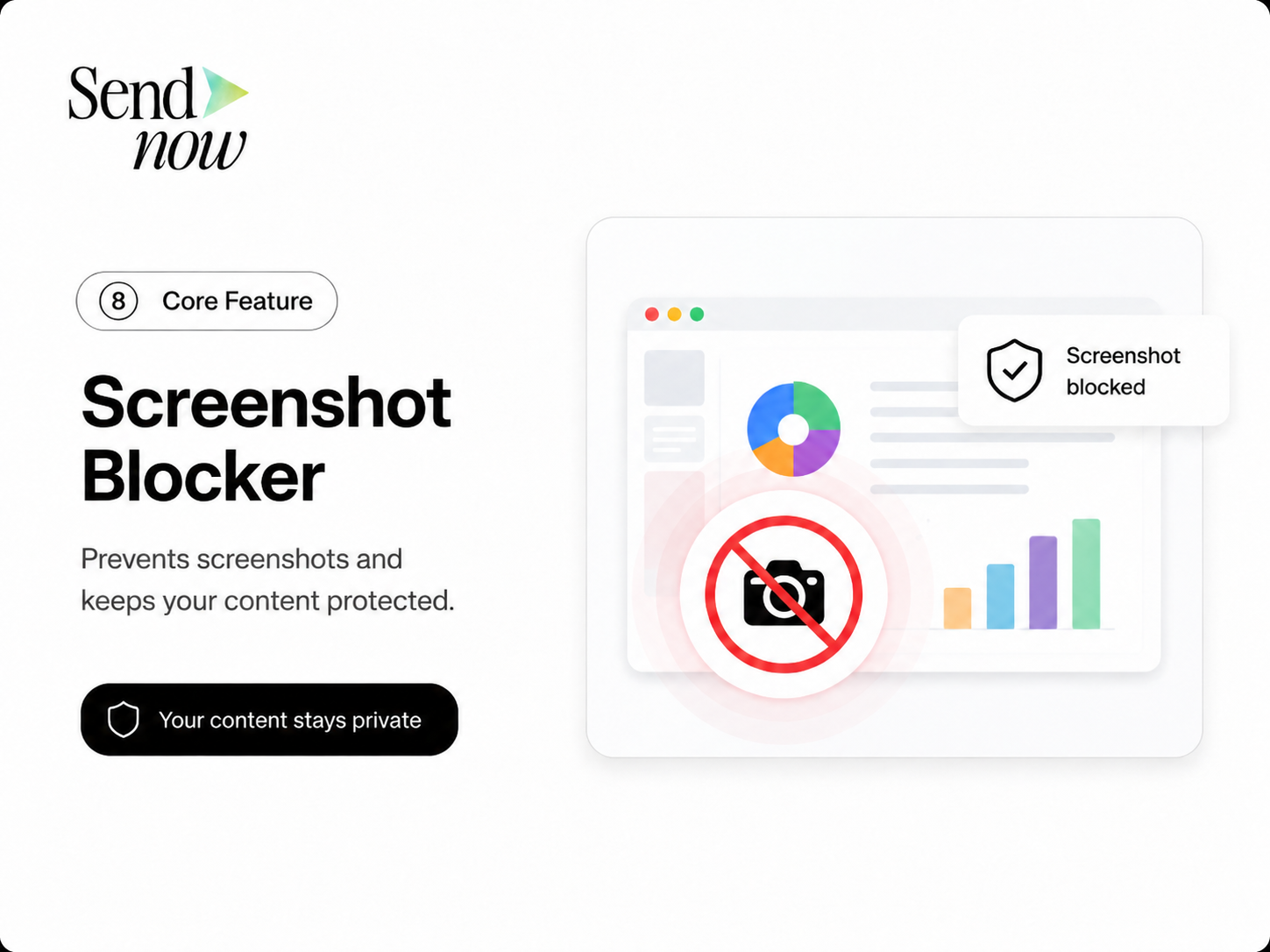
To prevent unauthorized copying of sensitive information, SendNow includes a screenshot blocking feature. This ensures that recipients cannot take screenshots of the documents, further protecting the confidentiality of tax records.
Email Gates
SendNow requires recipients to verify their identity through email gates before accessing documents. This adds an additional layer of security, ensuring that only authorized individuals can view sensitive information.
Link Expiry
SendNow allows users to set expiration dates for shared links. This means that even if a link is inadvertently shared, it will become inactive after a specified period, reducing the risk of unauthorized access.
NDA Gates
For added protection, SendNow offers the option to require recipients to agree to a Non-Disclosure Agreement (NDA) before accessing sensitive documents. This legally binds recipients to confidentiality, providing an additional layer of security.
For more information about SendNow and its features, visit their official LinkedIn page: SendNow LinkedIn.
Technical Walkthrough
To securely share tax records using SendNow, follow these step-by-step instructions:
Step 1: Create an Account
- Visit the SendNow website and sign up for an account.
- Fill in the required information and verify your email address.
Step 2: Upload Your Tax Records
- Log in to your SendNow account.
- Click on the "Upload" button to select the tax records you wish to share.
- Choose the files from your device and confirm the upload.
Step 3: Configure Link Settings

- After uploading, select the files you want to share and click on "Share."
- Configure the sharing settings:
- Enable dynamic watermarking.
- Activate screenshot blocking.
- Set an expiration date for the link.
- Choose whether to require email gates and NDA agreements.
Step 4: Distribute the Link
- Once the settings are configured, generate the shareable link.
- Copy the link and send it to the intended recipients via a secure communication method.
Step 5: Monitor Access
- Use the monitoring features in SendNow to track who accesses your documents.
- Review access logs regularly to ensure that only authorized individuals are viewing your tax records.
ROI & Business Impact
Investing in secure file-sharing solutions like SendNow can yield significant returns on investment (ROI) and positively impact your business in several ways:
-
Cost-Efficiency: By preventing unauthorized access and potential data breaches, businesses can save on costs associated with legal fees, fines, and remediation efforts.
-
Contract Compliance: Many industries are subject to strict regulations regarding data protection. Using secure file-sharing solutions helps ensure compliance with regulations such as GDPR and HIPAA, reducing the risk of costly penalties.
-
Protection Value: The value of protecting sensitive tax records cannot be overstated. By safeguarding this information, businesses can maintain their reputation, build trust with clients, and avoid the financial repercussions of data breaches.
Structured FAQ
Q1: How can I securely share tax records with clients?
A1: To securely share tax records with clients, use a secure file-sharing platform like SendNow that offers features such as dynamic watermarking, screenshot blocking, and email gates. This ensures that only authorized individuals can access the documents.
Q2: Why is it important to protect tax records?
A2: Protecting tax records is crucial because they contain sensitive personal and financial information. Unauthorized access can lead to identity theft, financial fraud, and legal consequences for both individuals and businesses.
Q3: What are the risks of using email to share tax records?
A3: Email is susceptible to interception, accidental forwarding, and unauthorized access if a recipient's account is compromised. These risks can lead to data breaches and unauthorized sharing of sensitive information.
Q4: How does dynamic watermarking work?
A4: Dynamic watermarking adds a visible watermark to documents that displays the recipient's information. This discourages unauthorized sharing, as any leaked documents can be traced back to the original recipient.
Q5: Can I set expiration dates for shared links in SendNow?
A5: Yes, SendNow allows users to set expiration dates for shared links. This feature ensures that links become inactive after a specified period, reducing the risk of unauthorized access.
Actionable CTA
Protect your sensitive tax records today by starting a trial with SendNow. Experience the peace of mind that comes with secure file-sharing solutions designed to prevent unauthorized access and sharing. Visit SendNow Trial to get started.
About the Author: Rifana Hameem
Rifana is the founder of SendNow. She leads the team in building secure, compliant, and analytics-rich document sharing tools for finance and professional teams worldwide.
Connect on LinkedIn