
Prioritizing Follow-Ups Using VC Engagement Scores

Prioritizing Follow-Ups Using VC Engagement Scores
Executive Summary / TL;DR
In the fast-paced world of venture capital (VC), entrepreneurs often find themselves inundated with the task of following up with potential investors. The challenge lies in determining which VCs to prioritize for follow-ups, given limited time and resources. This article explores the concept of VC Engagement Scores, a metric designed to help entrepreneurs assess the level of interest and engagement from potential investors. By leveraging these scores, startups can optimize their follow-up strategies, ensuring they focus on the most promising leads and increase their chances of securing funding.
Understanding VC Engagement Scores
VC Engagement Scores are quantitative measures that evaluate how engaged a venture capitalist is with a startup. These scores can be derived from various data points, including:
- Email Open Rates: Tracking whether a VC opens emails can provide insight into their interest level.
- Response Rates: The frequency and speed of replies to outreach efforts indicate engagement.
- Meeting Attendance: Participation in scheduled meetings or calls reflects a VC's commitment.
- Social Media Interactions: Engagement on platforms like LinkedIn or Twitter can signal interest in a startup's updates.
- Follow-Up Actions: Actions taken by the VC post-meeting, such as requesting additional information or introducing the startup to other investors.
By analyzing these factors, startups can assign a score to each VC, allowing them to prioritize follow-ups based on the level of engagement.
Current Challenges in VC Follow-Up Strategies
Many entrepreneurs struggle with follow-up strategies due to the overwhelming number of potential investors and the varying levels of interest they exhibit. Common challenges include:
- Lack of Data: Without a systematic way to track interactions, entrepreneurs may miss out on high-potential leads.
- Time Constraints: Startups often have limited time to devote to follow-ups, making it crucial to prioritize effectively.
- Emotional Bias: Founders may develop personal biases towards certain VCs based on initial interactions, leading to suboptimal follow-up decisions.
- Overlooked Opportunities: Failing to follow up with less responsive but potentially interested VCs can result in missed funding opportunities.
Industry-Specific Best Practices for Follow-Ups
To effectively utilize VC Engagement Scores and enhance follow-up strategies, entrepreneurs should consider the following best practices:
1. Track Engagement Metrics
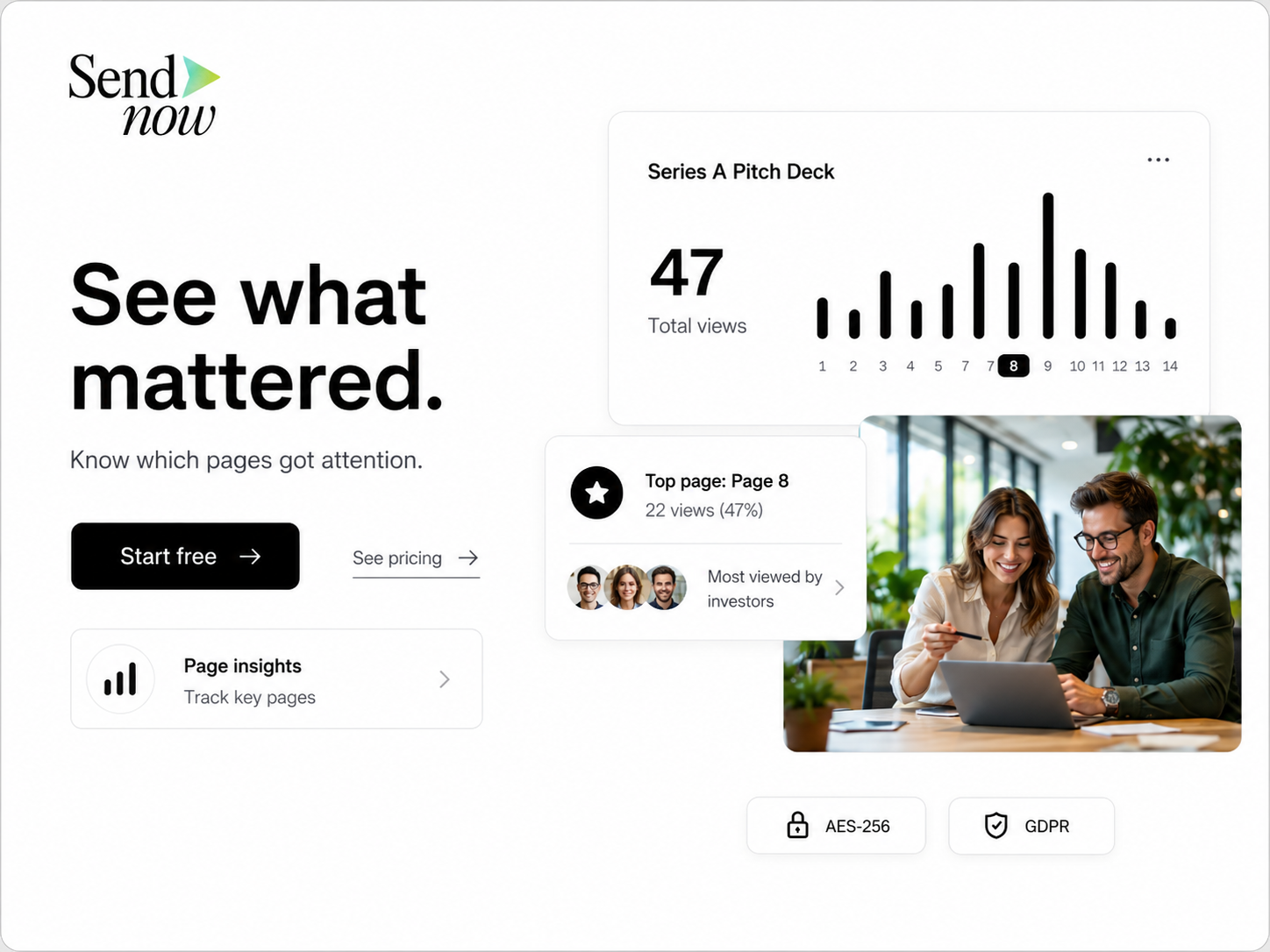
Implement a system to track key engagement metrics for each VC. This could be a simple spreadsheet or a more sophisticated Customer Relationship Management (CRM) tool. Regularly update the data to reflect the latest interactions.
2. Segment VCs by Engagement Level
Categorize VCs into different tiers based on their engagement scores. For instance:
- High Engagement: VCs who frequently open emails, respond quickly, and attend meetings.
- Medium Engagement: VCs who show some interest but may not be as responsive.
- Low Engagement: VCs who have minimal interaction or have not responded.
This segmentation allows for tailored follow-up strategies for each group.
3. Personalize Follow-Up Communications
When reaching out to VCs, personalize your messages based on their engagement level. For high-engagement VCs, consider providing updates on milestones or achievements. For medium-engagement VCs, a gentle reminder of previous conversations may reignite interest.
4. Set Follow-Up Reminders
Use calendar tools or CRM features to set reminders for follow-ups. This ensures that no potential lead is overlooked and helps maintain consistent communication.
5. Analyze and Adjust Strategies
Regularly review the effectiveness of your follow-up strategies. Analyze which approaches yield the best results and adjust your tactics accordingly. This iterative process will help refine your engagement strategies over time.
Deep-Dive into VC Engagement Scores
How to Calculate VC Engagement Scores
To calculate VC Engagement Scores, consider the following formula:
Engagement Score = (Email Open Rate * Weight1) + (Response Rate * Weight2) + (Meeting Attendance * Weight3) + (Social Media Interactions * Weight4) + (Follow-Up Actions * Weight5)
Assign weights to each factor based on its importance to your fundraising strategy. For example, you might prioritize meeting attendance over social media interactions.
Tools for Tracking Engagement
Several tools can assist in tracking VC engagement:
- Email Tracking Software: Tools like Yesware or Mailtrack can help monitor email opens and responses.
- CRM Systems: Platforms like HubSpot or Salesforce can streamline engagement tracking and follow-up reminders.
- Social Media Analytics: Use tools like Hootsuite or Buffer to monitor interactions on social media platforms.
Technical Walkthrough: Implementing VC Engagement Scores
Step 1: Set Up Tracking Mechanisms
- Choose Your Tools: Decide on the tools you will use for email tracking, CRM, and social media analytics.
- Create a Spreadsheet: Set up a spreadsheet to log each VC's engagement metrics.
Step 2: Collect Data
- Email Interactions: Use email tracking software to log open and response rates.
- Meeting Attendance: Record attendance for scheduled meetings in your spreadsheet.
- Social Media Engagement: Track interactions on social media platforms.
Step 3: Calculate Engagement Scores
- Input Data: Enter the collected data into your spreadsheet.
- Apply the Formula: Use the engagement score formula to calculate scores for each VC.
Step 4: Segment and Prioritize
- Segment VCs: Categorize VCs into high, medium, and low engagement groups.
- Prioritize Follow-Ups: Focus your follow-up efforts on high-engagement VCs first.
Step 5: Execute Follow-Ups
- Personalize Communications: Tailor your messages based on engagement levels.
- Set Reminders: Use your calendar or CRM to set follow-up reminders.
ROI & Business Impact of Using VC Engagement Scores
Implementing VC Engagement Scores can significantly impact a startup's fundraising efforts. Here are some key benefits:
1. Improved Efficiency
By prioritizing follow-ups based on engagement, startups can allocate their time and resources more effectively. This leads to higher productivity and a more streamlined fundraising process.
2. Higher Conversion Rates
Focusing on high-engagement VCs increases the likelihood of securing funding. Engaged investors are more likely to respond positively to follow-up communications.
3. Enhanced Relationships
Personalized follow-ups based on engagement scores foster stronger relationships with potential investors. This can lead to long-term partnerships beyond the initial funding round.
4. Data-Driven Decision Making
Using engagement scores allows startups to make informed decisions about their follow-up strategies. This data-driven approach minimizes emotional biases and enhances overall effectiveness.
Structured FAQ
1. How do I calculate VC Engagement Scores?
To calculate VC Engagement Scores, track key metrics such as email open rates, response rates, meeting attendance, social media interactions, and follow-up actions. Use a weighted formula to derive a score for each VC.
2. Why are VC Engagement Scores important?
VC Engagement Scores help entrepreneurs prioritize follow-ups based on the level of interest shown by potential investors. This ensures that time and resources are focused on the most promising leads.
3. What tools can I use to track VC engagement?
You can use email tracking software like Yesware, CRM systems like HubSpot or Salesforce, and social media analytics tools like Hootsuite or Buffer to track VC engagement.
4. How often should I update VC Engagement Scores?
Regularly update VC Engagement Scores after each interaction, ideally on a weekly basis. This ensures that you have the most current data to inform your follow-up strategies.
5. Can I automate the follow-up process?
While automation can streamline some aspects of follow-ups, personalized communication is crucial for building relationships with investors. Consider using automation for reminders and scheduling, but maintain a personal touch in your messages.
Actionable CTA
Ready to optimize your follow-up strategies and enhance your fundraising efforts? Start implementing VC Engagement Scores today and take your outreach to the next level. For more insights and tools, visit SendNow and begin your journey toward securing the funding your startup deserves.
About the Author: Rifana Hameem
Rifana is the founder of SendNow. She leads the team in building secure, compliant, and analytics-rich document sharing tools for finance and professional teams worldwide.
Connect on LinkedIn