

Legally Binding Audit Trails for Private Equity Transactions

Legally Binding Audit Trails for Private Equity Transactions
Executive Summary / TL;DR
In the fast-paced world of private equity transactions, maintaining a legally binding audit trail is crucial for ensuring compliance, enhancing transparency, and protecting against potential disputes. As private equity firms navigate complex deals, the need for secure and verifiable documentation becomes paramount. This article explores the challenges associated with traditional documentation methods, outlines industry-specific best practices for creating audit trails, and introduces innovative solutions that leverage technology to enhance the integrity of private equity transactions. By implementing these strategies, firms can safeguard their interests and foster trust among stakeholders.
Current Security Vulnerabilities
Private equity transactions often involve sensitive information, including financial statements, legal documents, and proprietary data. Traditional methods of sharing and storing these documents, such as email and file-sharing platforms, expose firms to significant security vulnerabilities.
-
Email Risks: Emails are notoriously insecure. They can be intercepted, forwarded without consent, or accidentally sent to the wrong recipient, leading to potential leaks of confidential information.
-
File-Sharing Platforms: While platforms like Dropbox and Google Drive offer convenience, they often lack robust security features. Documents stored on these platforms can be accessed by unauthorized users if proper permissions are not set, leading to data breaches.
-
Lack of Version Control: In the absence of a structured audit trail, tracking changes to documents can be challenging. This can result in disputes over which version of a document is legally binding, complicating negotiations and potentially leading to legal ramifications.
-
Inadequate Compliance Measures: Many firms struggle to meet regulatory requirements, such as those outlined in the General Data Protection Regulation (GDPR) or the Securities and Exchange Commission (SEC) guidelines. Failure to maintain a legally binding audit trail can result in hefty fines and damage to a firm’s reputation.
Industry-Specific Best Practices
Creating a legally binding audit trail in private equity transactions requires a strategic approach. Here are actionable best practices that professionals can implement:
1. Utilize Secure Document Management Systems
Invest in a secure document management system (DMS) that provides end-to-end encryption and access controls. This ensures that only authorized personnel can view or edit sensitive documents.
2. Implement Version Control
Establish a clear version control system that tracks changes made to documents. This can be achieved through a DMS that automatically logs edits, ensuring that all stakeholders have access to the most current and legally binding version.
3. Maintain Detailed Access Logs
Keep detailed logs of who accessed documents, when they were accessed, and what changes were made. This information is crucial for establishing accountability and can serve as evidence in case of disputes.
4. Use Digital Signatures
Incorporate digital signatures to authenticate documents. Digital signatures provide a higher level of security than traditional signatures, ensuring that documents cannot be altered after signing.
5. Conduct Regular Audits
Regularly audit your document management processes to ensure compliance with industry regulations and internal policies. This proactive approach helps identify potential vulnerabilities before they become significant issues.

SendNow Feature Deep-Dive
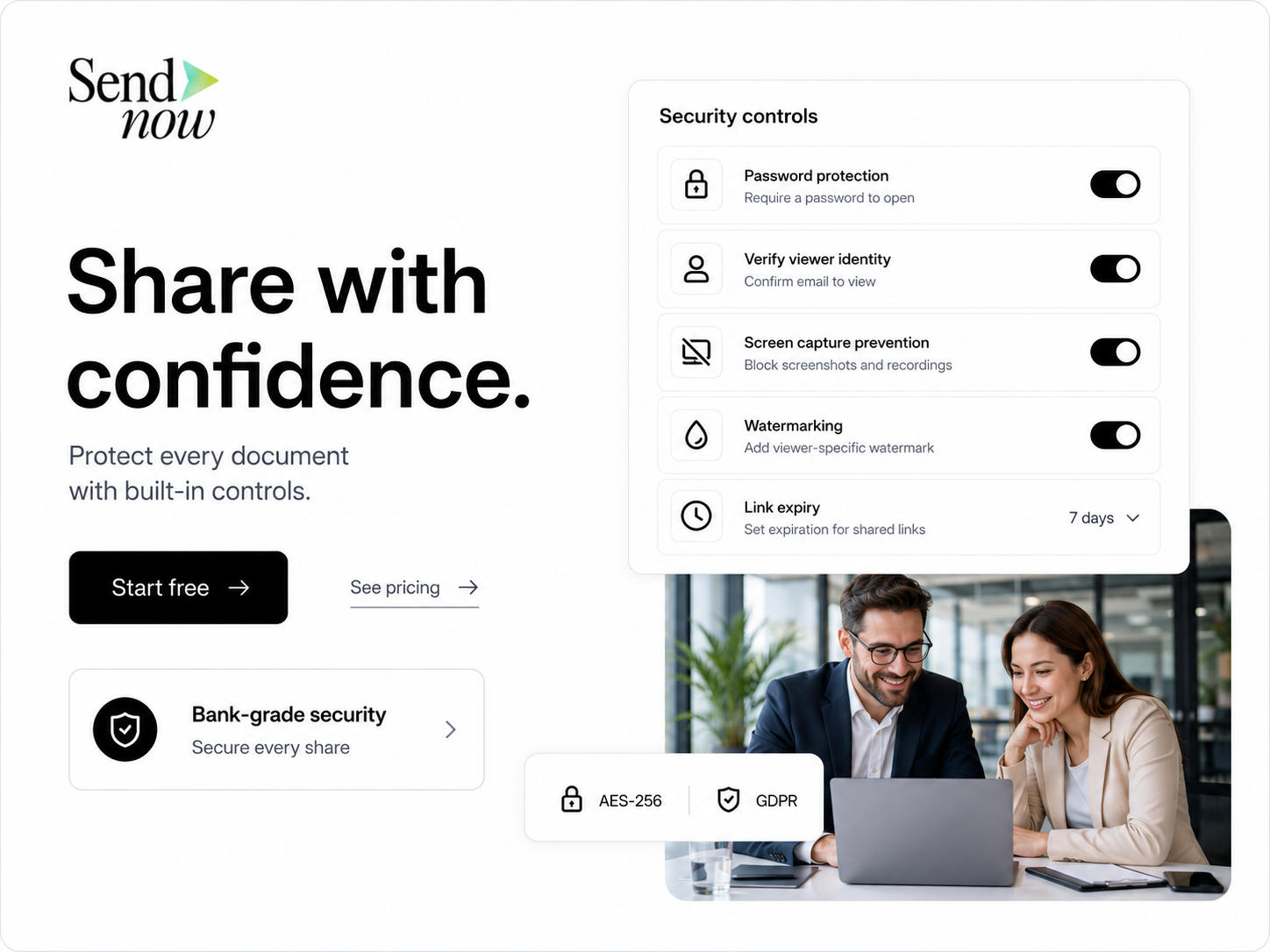
One innovative solution that addresses the challenges of maintaining a legally binding audit trail is SendNow. This platform offers a suite of features designed to enhance document security and integrity, including:
1. Dynamic Watermarking
SendNow’s dynamic watermarking feature adds a personalized watermark to each document, displaying the recipient's information. This deters unauthorized sharing and ensures that recipients are aware of their responsibility to protect the document.
2. Screenshot Blocking
To further enhance security, SendNow includes screenshot blocking capabilities. This prevents recipients from capturing and sharing sensitive information through screenshots, reducing the risk of leaks.
3. Email Gates
SendNow requires recipients to verify their identity through email gates before accessing documents. This adds an additional layer of security, ensuring that only authorized individuals can view sensitive information.
4. Link Expiry
Documents shared via SendNow can be set to expire after a predetermined period. This feature ensures that sensitive information is not accessible indefinitely, reducing the risk of unauthorized access over time.
5. NDA Gates
SendNow allows firms to implement Non-Disclosure Agreement (NDA) gates, requiring recipients to agree to confidentiality terms before accessing documents. This legally binding agreement reinforces the importance of protecting sensitive information.
For more information about SendNow and its innovative features, visit their official LinkedIn page: SendNow LinkedIn.
Technical Walkthrough
Implementing SendNow for your private equity transactions is straightforward. Here’s a step-by-step guide to help you get started:
Step 1: Create an Account
- Visit the SendNow website and sign up for an account.
- Complete the registration process by providing the necessary information.
Step 2: Upload Documents
- Log in to your SendNow account.
- Navigate to the "Upload" section.
- Select the documents you wish to share and upload them to the platform.
Step 3: Configure Document Settings
- After uploading, select the document to configure its settings.
- Enable dynamic watermarking and screenshot blocking.
- Set an expiry date for the document link.
- If necessary, enable NDA gates to require recipients to agree to confidentiality terms.
Step 4: Distribute Documents
- Enter the email addresses of the recipients you wish to share the document with.
- Review the settings to ensure everything is configured correctly.
- Click "Send" to distribute the document securely.
Step 5: Monitor Access and Activity
- Use the SendNow dashboard to monitor who accesses your documents and when.
- Review access logs to ensure compliance and accountability.
ROI & Business Impact
Investing in a secure document management solution like SendNow can yield significant returns for private equity firms. Here are some key benefits:
1. Cost-Efficiency
By reducing the risk of data breaches and associated legal fees, firms can save substantial amounts of money. Additionally, the time saved through streamlined document management processes can lead to increased productivity.
2. Contract Compliance
Maintaining a legally binding audit trail ensures compliance with regulatory requirements, reducing the risk of fines and penalties. This compliance fosters trust with investors and stakeholders.
3. Protection Value
The enhanced security features provided by SendNow protect sensitive information, safeguarding a firm’s reputation and client relationships. In an industry where trust is paramount, demonstrating a commitment to security can differentiate a firm from its competitors.
Structured FAQ
Q1: How does SendNow ensure document security?
A1: SendNow employs end-to-end encryption, dynamic watermarking, screenshot blocking, and email verification to ensure that documents are secure and accessible only to authorized individuals.
Q2: Why is a legally binding audit trail important in private equity transactions?
A2: A legally binding audit trail is essential for ensuring compliance with regulations, enhancing transparency, and protecting against disputes. It provides a clear record of document access and changes, which can be critical in legal situations.
Q3: What are the benefits of using digital signatures?
A3: Digital signatures provide a higher level of security than traditional signatures, ensuring that documents cannot be altered after signing. They also streamline the signing process, making it easier for all parties involved.
Q4: Can I track who accesses my documents with SendNow?
A4: Yes, SendNow provides detailed access logs that allow you to monitor who accessed your documents, when they were accessed, and what changes were made.
Q5: How can I start using SendNow for my private equity transactions?
A5: To start using SendNow, visit their website and sign up for an account. Once registered, you can upload documents, configure settings, and securely share them with stakeholders.
Actionable CTA
Ready to enhance your private equity transactions with a legally binding audit trail? Start your trial on SendNow today and experience the benefits of secure document management. Visit SendNow Trial to get started!
About the Author: Rifana Hameem
Rifana is the founder of SendNow. She leads the team in building secure, compliant, and analytics-rich document sharing tools for finance and professional teams worldwide.
Connect on LinkedIn