
How to Safely Share Sensitive Environmental and Structural Audits

How to Safely Share Sensitive Environmental and Structural Audits
Executive Summary / TL;DR
In an increasingly digital world, sharing sensitive documents such as environmental and structural audits poses significant challenges. Traditional file-sharing methods, including emails and cloud services like Dropbox, often expose these critical documents to potential leaks and unauthorized access. This article explores the vulnerabilities associated with typical file-sharing workflows, outlines industry-specific best practices for securely sharing audits, and introduces SendNow, a specialized solution designed to mitigate these risks. We will provide a detailed technical walkthrough for utilizing SendNow effectively, discuss the return on investment (ROI) and business impact of secure sharing, and answer common questions regarding the process.
Current Security Vulnerabilities
When it comes to sharing sensitive environmental and structural audits, traditional methods are fraught with vulnerabilities. Here are some of the most common risks associated with typical file-sharing workflows:
-
Email Vulnerabilities: Emails are often intercepted or misdirected, leading to unauthorized access. Attachments can be easily forwarded, and once shared, the sender loses control over the document.
-
Cloud Storage Risks: Services like Dropbox, while convenient, do not always provide robust security features. Files stored in the cloud can be accessed by anyone with the link, and if the link is shared inadvertently, sensitive information can be exposed.
-
Lack of Audit Trails: Many traditional sharing methods do not provide an audit trail, making it difficult to track who accessed the document and when. This lack of accountability can lead to compliance issues, especially in regulated industries.
-
Inadequate Encryption: Not all file-sharing services offer end-to-end encryption, leaving documents vulnerable during transmission. Without proper encryption, sensitive information can be intercepted by malicious actors.
-
Human Error: Mistakes such as sending files to the wrong recipient or failing to implement proper access controls can lead to significant data breaches.
These vulnerabilities highlight the need for a more secure method of sharing sensitive audits that ensures confidentiality, integrity, and compliance with regulations.
Industry-Specific Best Practices
To mitigate the risks associated with sharing sensitive environmental and structural audits, professionals should adopt the following best practices:
Step 1: Assess the Sensitivity of the Document
Before sharing any audit, evaluate its sensitivity. Determine the potential impact of unauthorized access and classify the document accordingly. This assessment will guide your sharing strategy.
Step 2: Use Secure File Sharing Solutions
Opt for specialized file-sharing solutions that prioritize security. Look for features such as end-to-end encryption, dynamic watermarking, and access controls. Solutions like SendNow are designed specifically for secure document sharing.
Step 3: Implement Access Controls
Restrict access to sensitive audits by implementing role-based access controls. Ensure that only authorized personnel can view or edit the documents. This minimizes the risk of unauthorized access.
Step 4: Monitor and Audit Access
Utilize solutions that provide detailed audit trails. Monitor who accesses the documents and when. This accountability is crucial for compliance with regulations such as GDPR and can help identify potential breaches.
Step 5: Educate Employees
Conduct regular training sessions for employees on secure file-sharing practices. Emphasize the importance of data security and the potential consequences of mishandling sensitive information.
Step 6: Establish a Clear Sharing Policy
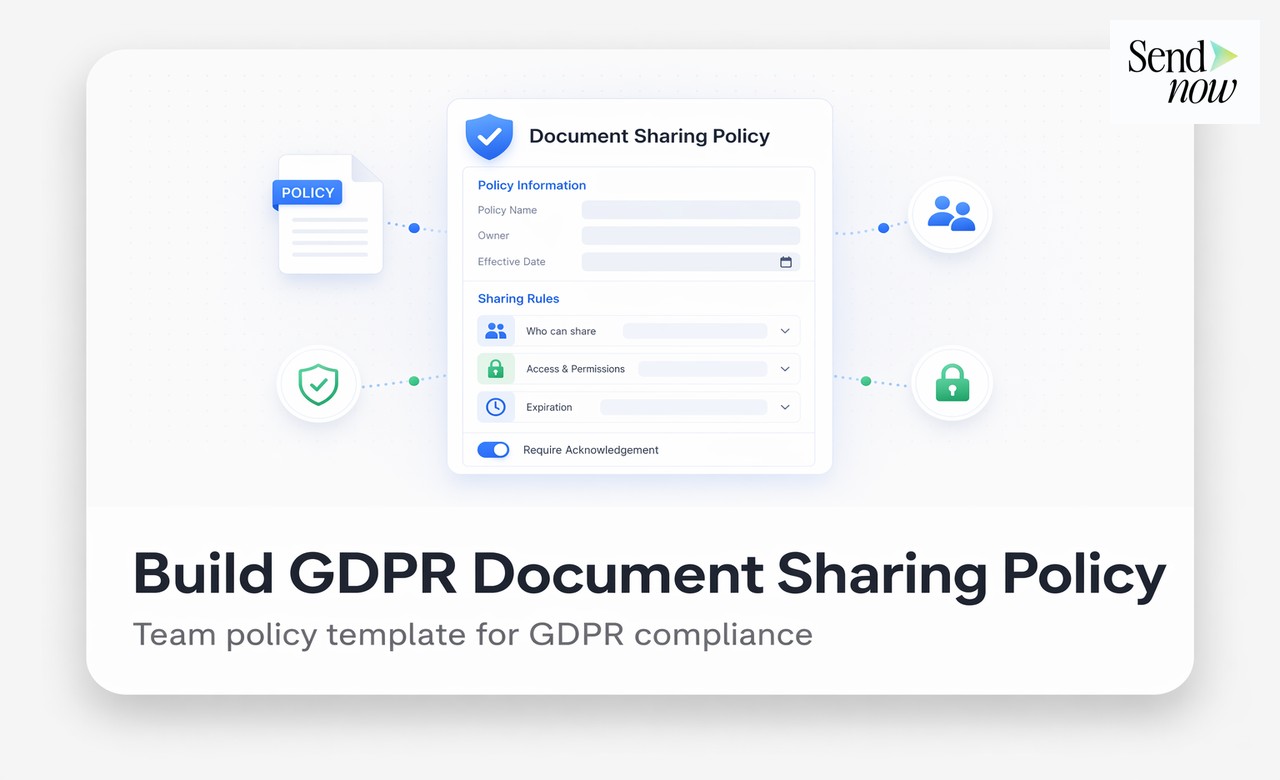
Create a comprehensive document-sharing policy that outlines the procedures for sharing sensitive audits. Ensure that all employees are aware of and adhere to this policy.
SendNow Feature Deep-Dive
SendNow offers a suite of features specifically designed to address the vulnerabilities associated with sharing sensitive documents. Here’s how SendNow’s controls can help secure your environmental and structural audits:
Dynamic Watermarking
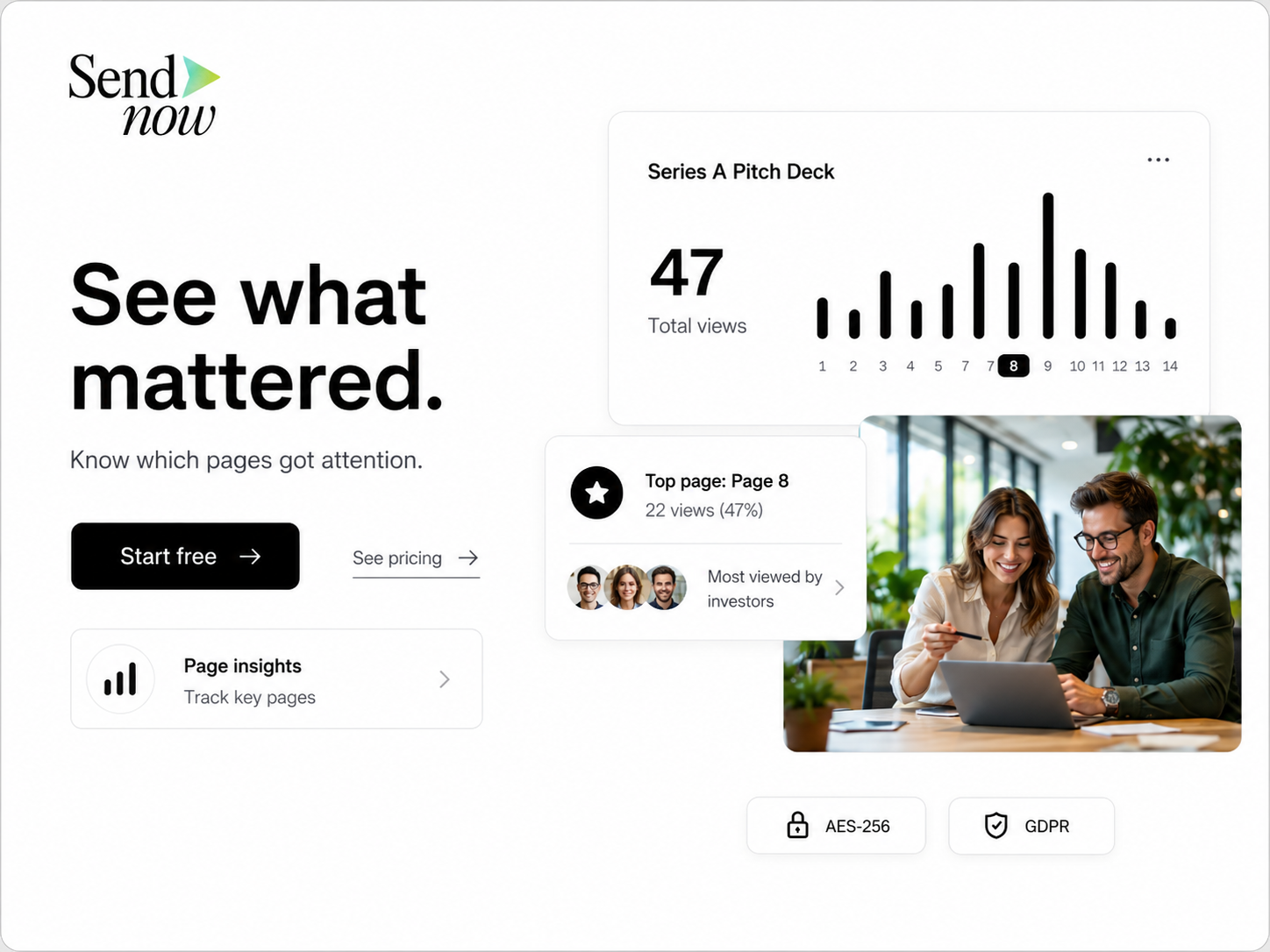
Dynamic watermarking adds a layer of protection by embedding identifying information directly onto the document. This discourages unauthorized sharing, as any leaked document can be traced back to the original recipient.
Screenshot Blocking
SendNow’s screenshot blocking feature prevents users from taking screenshots of the document. This is particularly important for sensitive audits, as it reduces the risk of unauthorized distribution.
Require Email Gates
By requiring users to enter their email addresses before accessing the document, SendNow ensures that only authorized individuals can view the audits. This feature adds an additional layer of verification.
Link Expiry
SendNow allows users to set expiration dates for shared links. Once the link expires, access is automatically revoked, minimizing the risk of unauthorized access over time.
NDA Gates
For particularly sensitive audits, SendNow offers the option to require users to accept a Non-Disclosure Agreement (NDA) before accessing the document. This legally binding agreement adds an extra layer of protection.
For more information on SendNow and its features, visit their official LinkedIn page.
Technical Walkthrough
To effectively use SendNow for sharing sensitive environmental and structural audits, follow these step-by-step instructions:
Step 1: Create an Account
- Visit the SendNow website and sign up for an account.
- Complete the registration process by providing the necessary information.
Step 2: Upload Your Document
- Log in to your SendNow account.
- Click on the “Upload” button to select the environmental or structural audit you wish to share.
- Ensure that the document is in a supported format (e.g., PDF, Word).
Step 3: Configure Link Settings
- Once the document is uploaded, you will be prompted to configure the link settings.
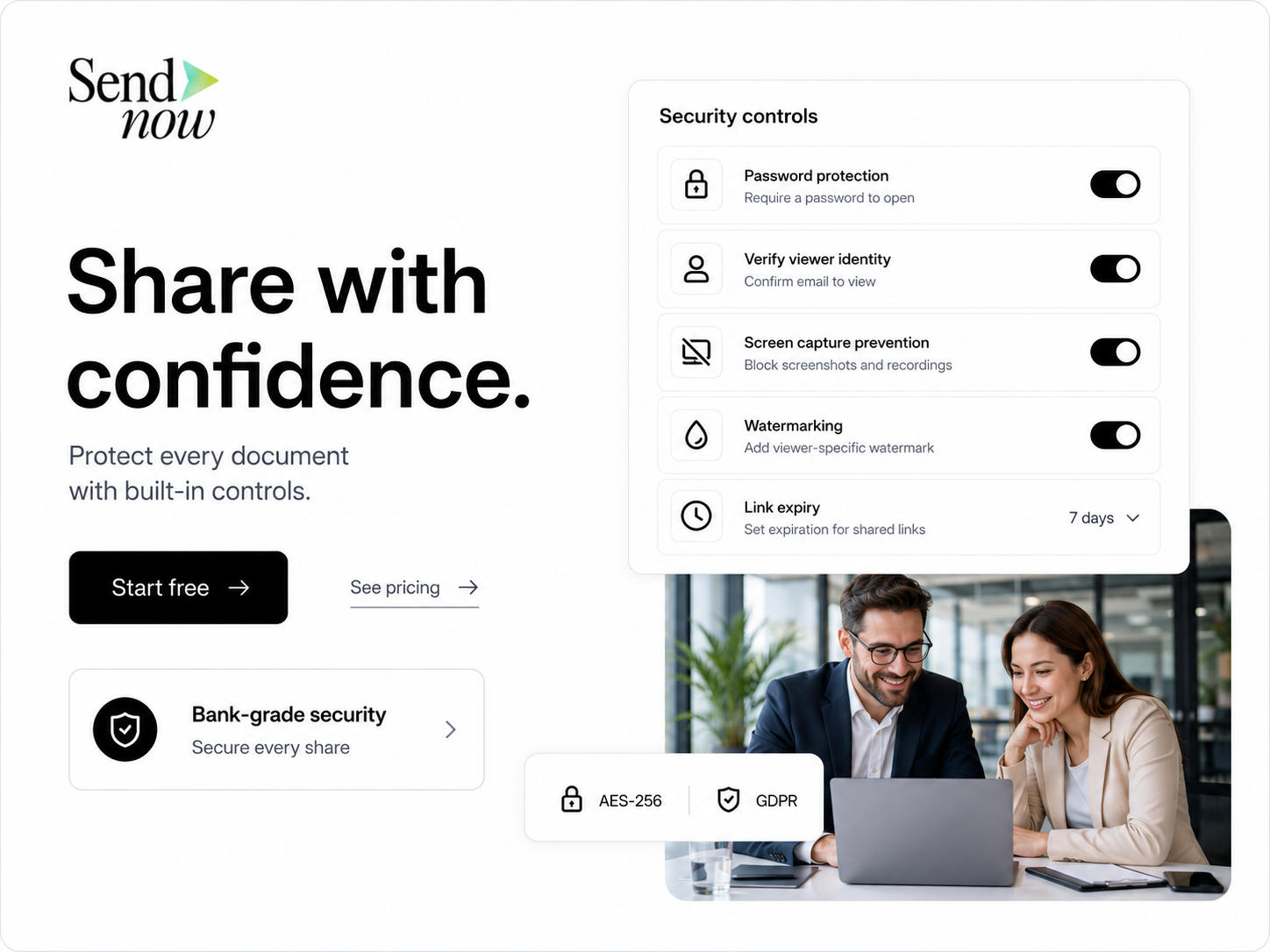
- Enable features such as dynamic watermarking, screenshot blocking, and email gates.
- Set an expiration date for the link if desired.
Step 4: Distribute the Link
- After configuring the settings, generate the shareable link.
- Copy the link and distribute it to the intended recipients via secure channels (e.g., encrypted email).
Step 5: Monitor Access
- Use the SendNow dashboard to monitor who accesses the document and when.
- Review the audit trail regularly to ensure compliance and security.
ROI & Business Impact
Investing in secure document-sharing solutions like SendNow can yield significant returns for businesses dealing with sensitive environmental and structural audits. Here are some key benefits:
Cost-Efficiency
By reducing the risk of data breaches, businesses can avoid costly fines and legal fees associated with non-compliance. The cost of implementing secure sharing solutions is often outweighed by the potential savings from avoiding breaches.
Contract Compliance
Many industries are subject to strict regulations regarding data protection. Using secure sharing methods ensures compliance with regulations such as GDPR, protecting your business from penalties.
Protection Value
The value of protecting sensitive audits extends beyond compliance. Safeguarding proprietary information enhances your business’s reputation, builds trust with clients, and fosters long-term relationships.
Structured FAQ
Q1: How can I ensure that only authorized personnel access my audits?
A1: Use secure file-sharing solutions like SendNow that offer access controls, email verification, and NDA gates to restrict access to authorized individuals only.
Q2: Why should I avoid using email for sharing sensitive audits?
A2: Email is prone to interception and misdirection, making it an insecure method for sharing sensitive documents. Once sent, you lose control over the document.
Q3: What features should I look for in a secure file-sharing solution?
A3: Look for features such as end-to-end encryption, dynamic watermarking, screenshot blocking, access controls, and detailed audit trails.
Q4: How can I monitor who accesses my shared audits?
A4: Use solutions like SendNow that provide an audit trail, allowing you to track who accessed the document and when.
Q5: What are the consequences of failing to secure sensitive audits?
A5: Failing to secure sensitive audits can lead to data breaches, legal penalties, loss of client trust, and damage to your business’s reputation.
Actionable CTA
Ready to enhance the security of your sensitive environmental and structural audits? Start your trial with SendNow today and experience the peace of mind that comes with secure document sharing. Visit SendNow to get started!
In conclusion, sharing sensitive audits does not have to be a risky endeavor. By understanding the vulnerabilities of traditional methods and adopting best practices, you can safeguard your documents effectively. With SendNow, you can take advantage of advanced security features that protect your sensitive information and ensure compliance with industry regulations.
About the Author: Rifana Hameem
Rifana is the founder of SendNow. She leads the team in building secure, compliant, and analytics-rich document sharing tools for finance and professional teams worldwide.
Connect on LinkedIn