

Virtual Data Room vs Google Drive: Which Is Better for Sensitive Deals?

Virtual Data Room vs Google Drive
Google Drive is excellent software.
A virtual data room solves a different problem.
Drive is designed primarily for storage and collaboration.
A VDR is designed primarily for controlled external review during a sensitive business process.
That distinction matters more than a generic feature checklist.
Google Drive is strongest when teams collaborate
Use Drive when:
- several people need to edit documents,
- files are primarily internal,
- the workflow is ongoing,
- general storage matters more than recipient analytics,
- the organization already lives in Google Workspace.
It is familiar, flexible, and excellent for day-to-day work.
A VDR is strongest when outside parties review sensitive information
Examples include:
- startup fundraising,
- M&A,
- private equity,
- due diligence,
- confidential client projects,
- transaction documents.
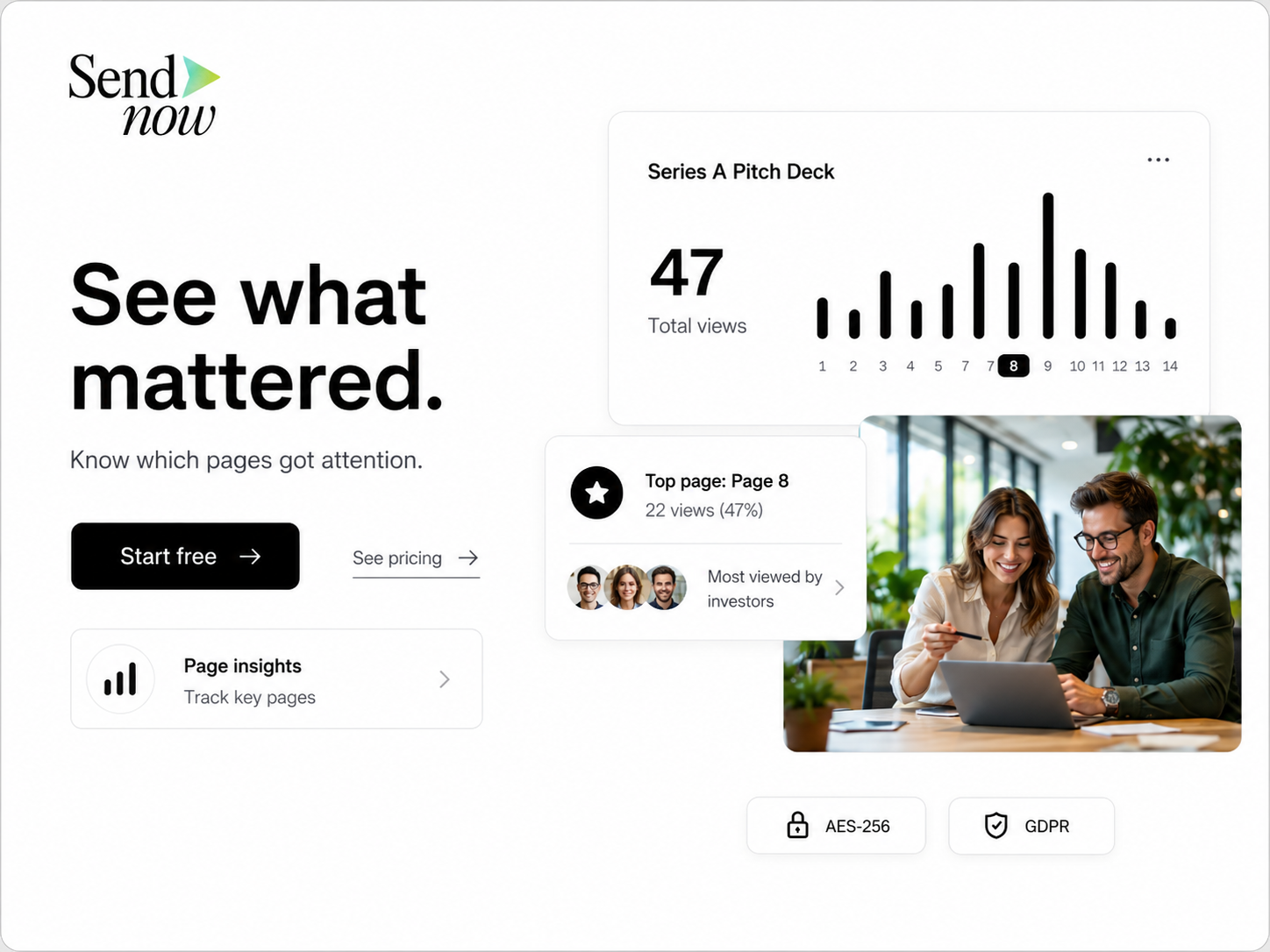
In these workflows, the sender often cares about:
- who viewed,
- what they viewed,
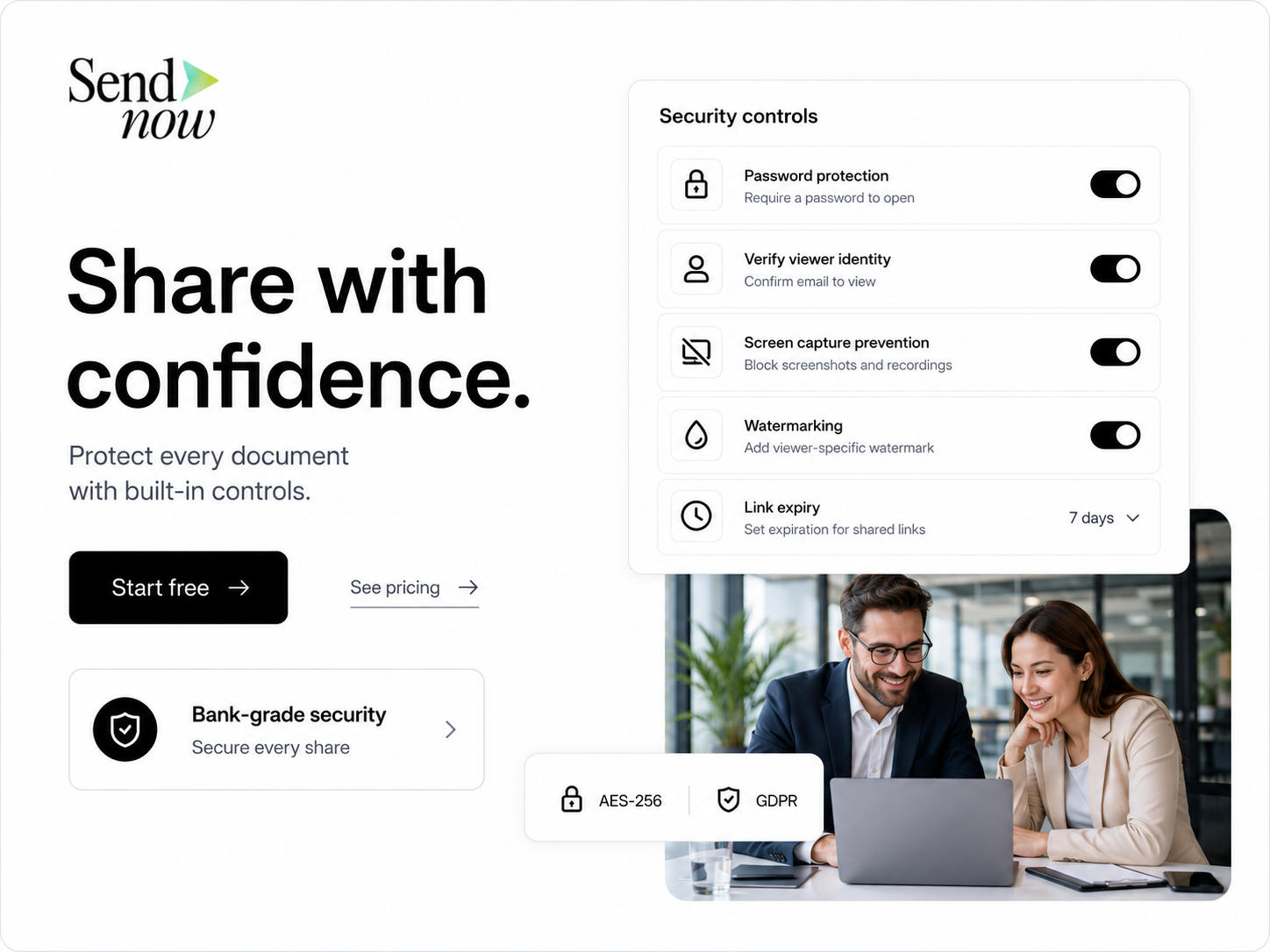
- when access should expire,
- which files can be downloaded,
- whether sensitive files should be watermarked,
- whether NDA terms should be accepted first.
Comparison
| Capability | Google Drive | Virtual data room |
|---|---|---|
| Internal collaboration | Excellent | Usually secondary |
| Real-time editing | Excellent | Varies |
| General cloud storage | Excellent | Not primary purpose |
| Transaction room | Manual setup | Core workflow |
| Viewer engagement analytics | Limited | Often core |
| Dynamic watermarking | Not native deal-room behavior | Common in VDR category |
| NDA gating | External process | Often available |
| Transaction permissions | Basic sharing model | Usually more granular |
| Buyer/investor experience | Folder-based | Deal-oriented |
Can Google Drive work as a data room?
Yes, especially for very small or low-sensitivity processes.
A founder can create a folder structure and share it with investors.
A small adviser can create a buyer folder.
The question is when the limitations begin to matter.
Move toward a VDR when:
- external recipient count increases,
- sensitive material is involved,
- engagement analytics matter,
- staged access matters,
- watermarking matters,
- you need a more professional recipient experience.
When I would use Drive
- internal working files,
- collaborative financial models,
- company operating documents,
- low-sensitivity partner collaboration,
- everyday team storage.
When I would use a VDR
- buyer diligence,
- investor diligence,
- CIM distribution,
- fundraising rooms,
- sensitive financial client packages,
- multi-party external review.
Security: avoid the wrong comparison
It is too simplistic to say “VDR secure, Drive insecure.”
Google has significant security capabilities.
The actual difference is that VDR products are usually designed around transaction-specific access and activity workflows.
The right question is:
Which product gives me the controls I need for this external review process?
FAQ
Is Google Drive secure enough for M&A?
Google has substantial security capabilities, but M&A requirements often go beyond baseline cloud security. Evaluate permissions, buyer administration, activity needs, watermarking, Q&A, archive requirements, and legal requirements.
Is a VDR more secure than Google Drive?
Do not make blanket claims. Security depends on implementation and configuration. A VDR is generally more purpose-built for controlled external transaction sharing.
Can a startup use Drive instead of a VDR?
Yes, especially at an early stage. Move to a dedicated room once the fundraising process becomes difficult to manage in shared folders.
Is Google Drive cheaper?
Usually for basic collaboration. But compare the workflow and required controls rather than price alone.
Final takeaway
Use Google Drive when collaboration is the main job.
Use a VDR when controlled external review becomes the main job.
About the Author: Rifana Hameem
Rifana is the founder of SendNow. She leads the team in building secure, compliant, and analytics-rich document sharing tools for finance and professional teams worldwide.
Connect on LinkedIn