
Why Are Virtual Data Rooms So Expensive? What You Are Paying For

Why Are Virtual Data Rooms So Expensive?
If you first encounter VDR pricing as a startup founder or small adviser, the numbers can feel surprising.
Why should a document-sharing product cost hundreds or thousands of dollars?
The answer is partly historical.
Virtual data rooms were built for transactions where the value of the deal was enormous relative to the software bill.
If the platform helps execute a very large acquisition, a substantial project fee may be easy to justify.
But that pricing model can feel disproportionate when the transaction is a smaller acquisition or a startup fundraising round.
What you are paying for
Traditional VDR pricing may reflect several things.
Enterprise security and compliance
Large organizations require extensive security, legal, procurement, and documentation processes.
Complex permissions
Large transactions may involve many bidder groups, advisers, internal teams, and document-access tiers.
Structured Q&A
Formal diligence processes can require advanced question workflows.
Project support
Some providers offer dedicated implementation or project teams.
Archive and audit requirements
Certain transactions need detailed exports and records.
Data volume
Older pricing models sometimes charge by storage or pages.
Users
Some platforms charge by administrators or participants.
Common VDR pricing models
Subscription
A fixed monthly or annual SaaS plan.
Per-project
Pay based on one transaction.
Per-user
Cost grows with the number of participants or administrators.
Per-storage
Pricing increases with gigabytes.
Per-page
Historically common in diligence workflows.
Why the model breaks for smaller teams
A seed-stage founder might need:
- 15 documents,
- 10 investors,
- basic controls.
A boutique adviser might need:
- one seller,
- several buyers,
- dozens of documents.
Neither necessarily requires the same infrastructure as a global transaction with hundreds of participants.
That is why lightweight VDRs exist.
Affordable does not mean inferior by default
The relevant question is:
Does the product meet the requirements of this specific process?
If a team needs only:
- multi-file sharing,
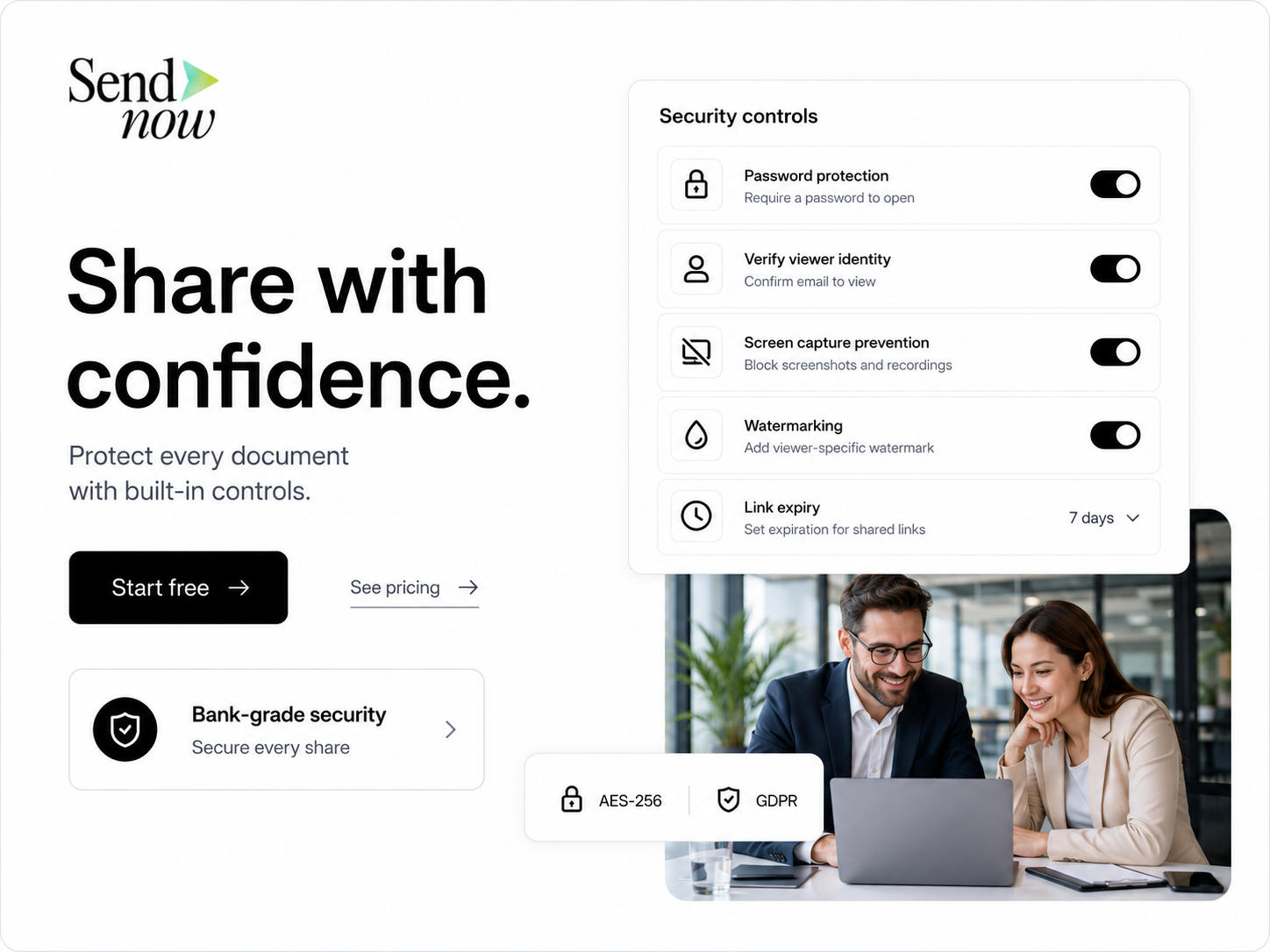
- access control,
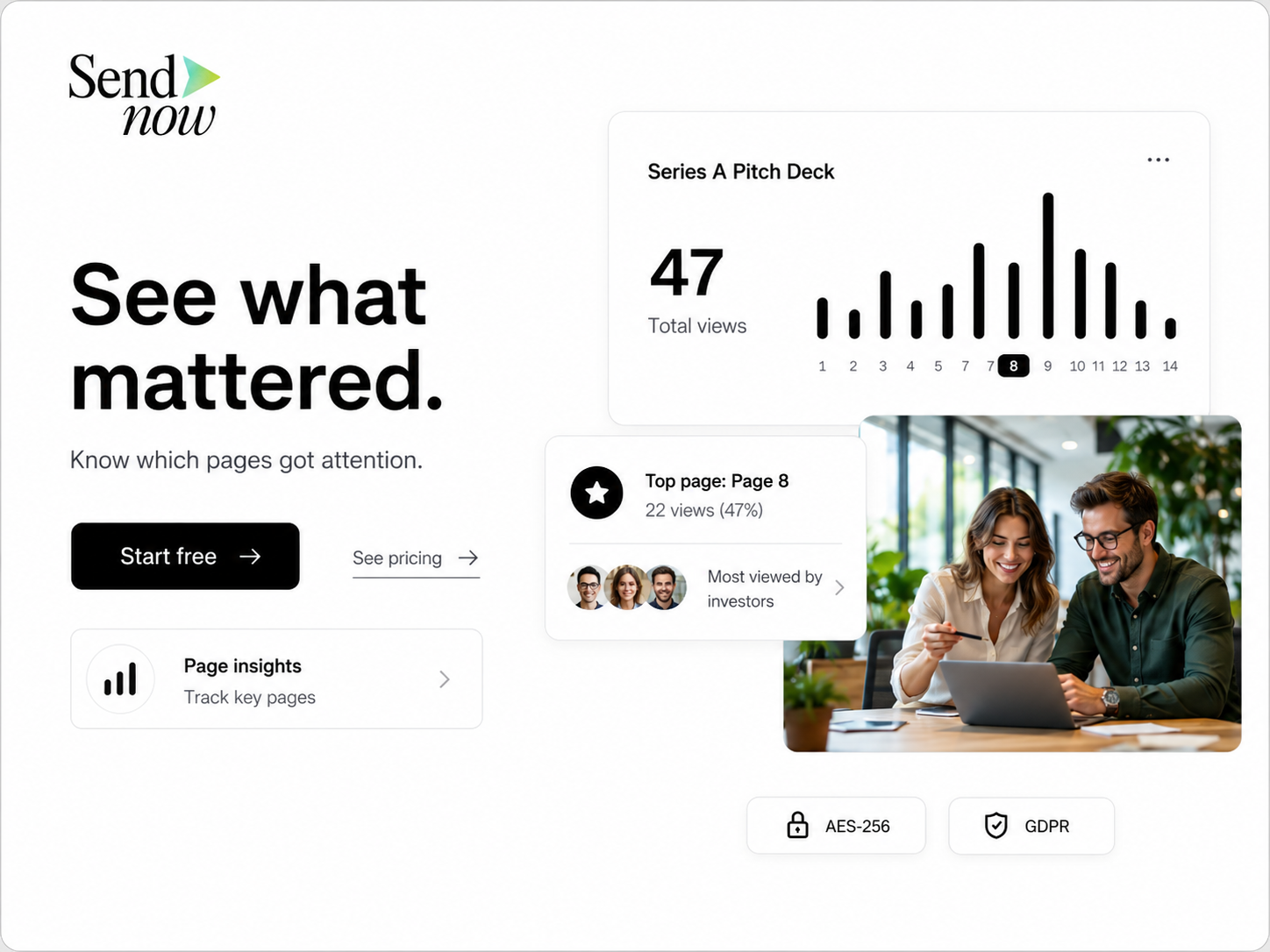
- viewer analytics,
- NDA,
- watermarking,
- simple permissions,
a lower-cost SaaS VDR may be enough.
If they need:
- enterprise Q&A,
- complex bidder groups,
- extensive audit exports,
- regulatory procurement,
- thousands of users,
the enterprise price may be justified.
How to reduce VDR cost
- Define the actual workflow.
- Count participants.
- Estimate storage.
- Identify must-have controls.
- Separate “nice to have” from required.
- Compare subscription and project pricing.
- Avoid paying for unused enterprise features.
FAQ
How much does a virtual data room cost?
Pricing varies widely by vendor, transaction type, storage, users, and feature set. Always check current official pricing.
Are expensive VDRs more secure?
Price is not a security score. Evaluate actual security controls, certifications, architecture, and configuration.
Is a low-cost VDR enough for M&A?
For some small transactions, yes. For complex transactions, advanced enterprise functionality may be necessary.
Can startups use a lightweight VDR?
Yes. Fundraising is one of the clearest use cases for simpler multi-document rooms.
Final takeaway
Traditional VDRs are expensive because many were built around large, high-stakes transactions.
Smaller teams should buy for the process they actually have.
About the Author: Rifana Hameem
Rifana is the founder of SendNow. She leads the team in building secure, compliant, and analytics-rich document sharing tools for finance and professional teams worldwide.
Connect on LinkedIn