
Document Security Best Practices for Independent Financial Advisors

Document Security Best Practices for Independent Financial Advisors
Executive Summary / TL;DR
Independent financial advisors face unique challenges when it comes to document security. With sensitive client information at stake, the risk of data breaches, unauthorized access, and compliance violations is ever-present. Traditional file-sharing methods, such as email and cloud storage services, often fall short of providing the necessary security measures. This article outlines the current security vulnerabilities in typical file-sharing workflows, offers industry-specific best practices for safeguarding sensitive documents, and introduces SendNow—a secure document-sharing solution designed to mitigate risks and enhance compliance. By implementing these strategies, independent financial advisors can protect client data, maintain trust, and ensure regulatory compliance.
Current Security Vulnerabilities
In the digital age, the sharing of sensitive documents is a routine part of an independent financial advisor's workflow. However, traditional file-sharing methods expose advisors to significant security vulnerabilities.
Email Vulnerabilities
Email is one of the most common methods for sharing documents, but it is inherently insecure. Emails can be intercepted during transmission, leading to unauthorized access to sensitive information. Additionally, attachments can be easily forwarded or downloaded without the sender's knowledge, increasing the risk of data leaks.
Cloud Storage Risks
While cloud storage services like Dropbox and Google Drive offer convenience, they also present security challenges. These platforms often lack robust access controls, making it difficult to track who has accessed or shared documents. Furthermore, if an account is compromised, all stored files are at risk.
Human Error
Human error is another significant factor in document security breaches. Advisors may accidentally send documents to the wrong recipient, fail to encrypt sensitive files, or neglect to implement proper access controls. These mistakes can have serious consequences, including regulatory penalties and loss of client trust.
Compliance Challenges
Independent financial advisors must adhere to strict regulatory requirements, such as the General Data Protection Regulation (GDPR) and the Gramm-Leach-Bliley Act (GLBA). Failing to protect sensitive client information can result in severe penalties and damage to an advisor's reputation.
Industry-Specific Best Practices
To mitigate the risks associated with document sharing, independent financial advisors should adopt the following best practices:
1. Use Secure File Sharing Solutions
Opt for secure file-sharing platforms that offer advanced security features, such as encryption, access controls, and audit trails. These solutions provide a safer alternative to traditional email and cloud storage services.
2. Implement Strong Access Controls
Limit access to sensitive documents based on the principle of least privilege. Ensure that only authorized personnel can view or edit sensitive files. Regularly review access permissions and revoke access for former employees or clients.
3. Encrypt Sensitive Documents
Always encrypt sensitive documents before sharing them. Encryption ensures that even if a file is intercepted, it cannot be accessed without the appropriate decryption key.
4. Educate Staff on Security Protocols
Conduct regular training sessions for staff on document security best practices. Ensure that all employees understand the importance of safeguarding client information and are aware of potential security threats.
5. Monitor and Audit Document Access
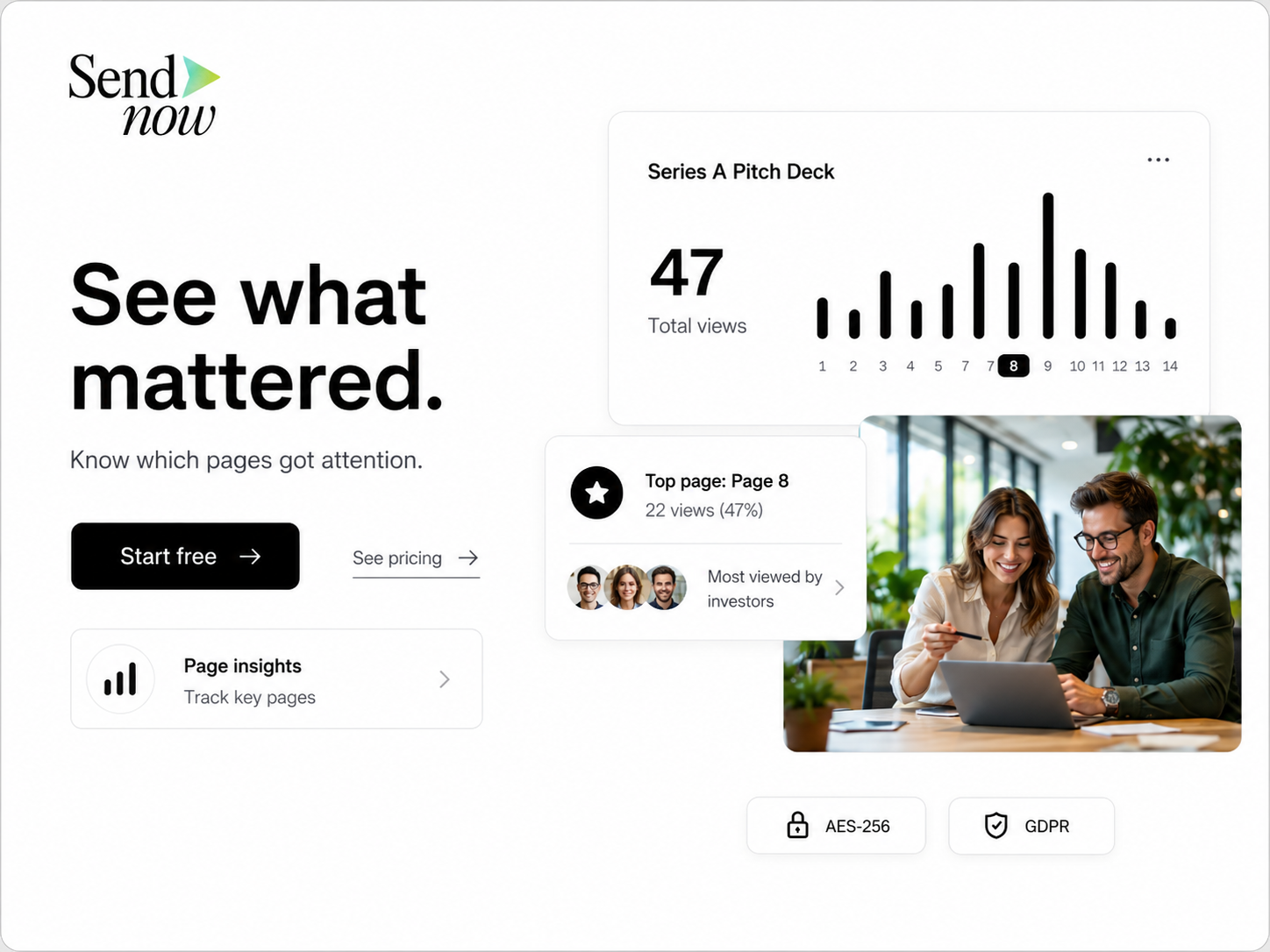
Regularly monitor and audit access to sensitive documents. Implement logging features to track who accessed which files and when. This information can be invaluable in identifying potential security breaches.
6. Establish a Data Breach Response Plan
Prepare for the worst by establishing a data breach response plan. This plan should outline the steps to take in the event of a security breach, including notifying affected clients and regulatory authorities.
SendNow Feature Deep-Dive
SendNow is a secure document-sharing solution that addresses the vulnerabilities faced by independent financial advisors. Its features are designed to enhance security and compliance, making it an ideal choice for sharing sensitive documents.
Dynamic Watermarking
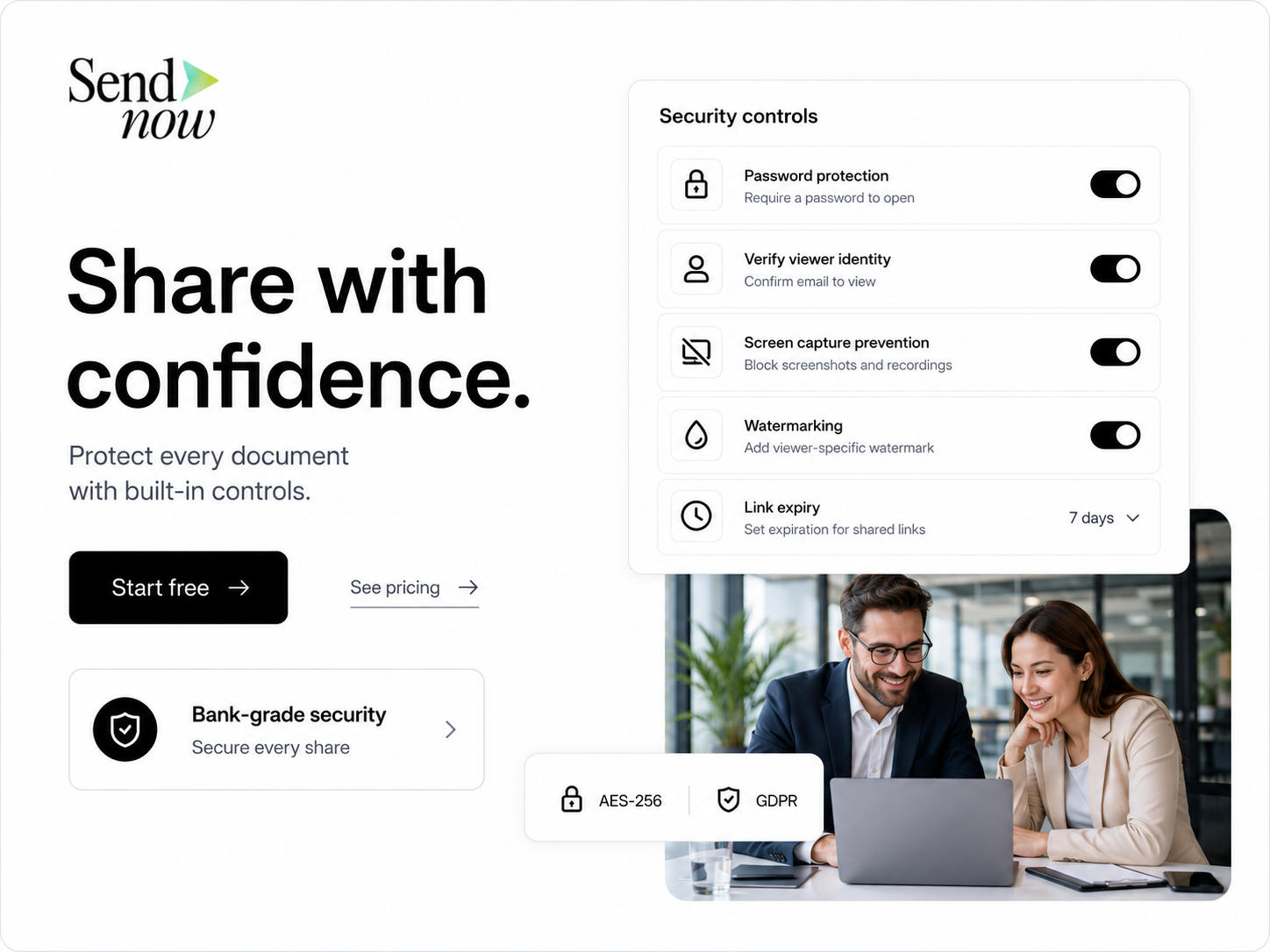
SendNow offers dynamic watermarking, which adds a unique identifier to each document shared. This feature discourages unauthorized sharing and helps track the source of any leaks.
Screenshot Blocking
To prevent unauthorized distribution of sensitive documents, SendNow includes screenshot blocking. This feature ensures that recipients cannot take screenshots of shared files, further protecting confidential information.
Require Email Gates
SendNow requires recipients to verify their email addresses before accessing shared documents. This additional layer of security helps ensure that only authorized individuals can view sensitive information.
Link Expiry
With SendNow, advisors can set expiration dates for shared links. This feature ensures that documents are only accessible for a limited time, reducing the risk of unauthorized access after the sharing period has ended.
NDA Gates
SendNow allows advisors to require recipients to sign a Non-Disclosure Agreement (NDA) before accessing sensitive documents. This legal safeguard reinforces the importance of confidentiality and provides an additional layer of protection.
For more information on SendNow and its features, visit their official LinkedIn page.
Technical Walkthrough
Setting up SendNow for secure document sharing is straightforward. Follow these steps to upload, configure links, and distribute documents safely:
Step 1: Create an Account
- Visit the SendNow website and click on "Sign Up."
- Fill in the required information to create your account.
- Verify your email address to activate your account.
Step 2: Upload Documents
- Log in to your SendNow account.
- Click on the "Upload" button to select the documents you wish to share.
- Choose the files from your device and confirm the upload.
Step 3: Configure Sharing Settings
- After uploading, select the document you want to share.
- Click on "Share" to configure the sharing settings.
- Set the desired security features, such as dynamic watermarking, screenshot blocking, and email verification.
Step 4: Set Link Expiry and NDA Requirements
- Specify the expiration date for the shared link.
- If required, enable the NDA gate to ensure recipients sign the agreement before accessing the document.
Step 5: Distribute the Link
- Once all settings are configured, click "Generate Link."
- Copy the generated link and share it with your intended recipients via email or other secure channels.
Step 6: Monitor Access
- Use the SendNow dashboard to monitor who has accessed the document and when.
- Review access logs regularly to ensure compliance and security.
ROI & Business Impact
Investing in secure document-sharing solutions like SendNow can yield significant returns on investment for independent financial advisors. Here are some key benefits:
Cost-Efficiency
By reducing the risk of data breaches, advisors can avoid costly penalties associated with regulatory violations. Implementing secure document-sharing practices can lead to lower insurance premiums and reduced legal fees.
Contract Compliance
Using SendNow helps advisors maintain compliance with industry regulations, such as GDPR and GLBA. By safeguarding client information, advisors can avoid fines and protect their reputation.
Protection Value
The value of protecting sensitive client information cannot be overstated. By implementing robust security measures, advisors can build trust with clients, enhance their reputation, and ultimately drive business growth.
Structured FAQ
Q1: How does SendNow ensure document security?
SendNow employs various security features, including encryption, dynamic watermarking, screenshot blocking, and email verification, to protect sensitive documents during sharing.
Q2: Why should I stop using email for document sharing?
Email is inherently insecure and exposes sensitive information to risks such as interception and unauthorized access. Secure file-sharing solutions like SendNow offer better protection.
Q3: What happens if a data breach occurs?
In the event of a data breach, advisors should follow their established data breach response plan, which includes notifying affected clients and regulatory authorities as required.
Q4: Can I track who accesses my documents with SendNow?
Yes, SendNow provides access logs that allow advisors to monitor who has accessed shared documents and when, enhancing accountability and security.
Q5: How do I get started with SendNow?
To start using SendNow, visit their website, create an account, and follow the step-by-step setup guide to securely share your documents.
Actionable CTA
Protect your clients and your business by implementing secure document-sharing practices today. Start a trial on SendNow at https://share.sendnow.live/dashboard and experience the peace of mind that comes with knowing your sensitive information is secure.
About the Author: Rifana Hameem
Rifana is the founder of SendNow. She leads the team in building secure, compliant, and analytics-rich document sharing tools for finance and professional teams worldwide.
Connect on LinkedIn