
How to Share a Balance Sheet Securely With Investors

How to Share a Balance Sheet With Investors
A balance sheet can reveal far more about a company than a pitch deck.
It shows the financial position at a specific point in time:
- cash,
- debt,
- receivables,
- liabilities,
- assets,
- shareholder equity.
That is why founders should treat balance-sheet sharing as part of diligence, not ordinary marketing.
When should you send it?
Usually after meaningful investor interest.
Early outreach should focus on the pitch.
As the conversation deepens, investors may request:
- historical P&L,
- balance sheet,
- cash-flow detail,
- forecast,
- cap table.
At that stage, secure sharing becomes more important.
What should the founder check first?
Before sending:
- make sure the reporting date is clear,
- confirm the statement matches your other financial material,
- remove irrelevant internal notes,
- verify formulas if exported from a model,
- use the latest approved version,
- make sure cash and debt figures are consistent with the fundraising narrative.
Nothing destroys confidence faster than contradictory numbers across diligence documents.
Use a controlled investor link
Rather than sending the raw file as an attachment:
- upload it,
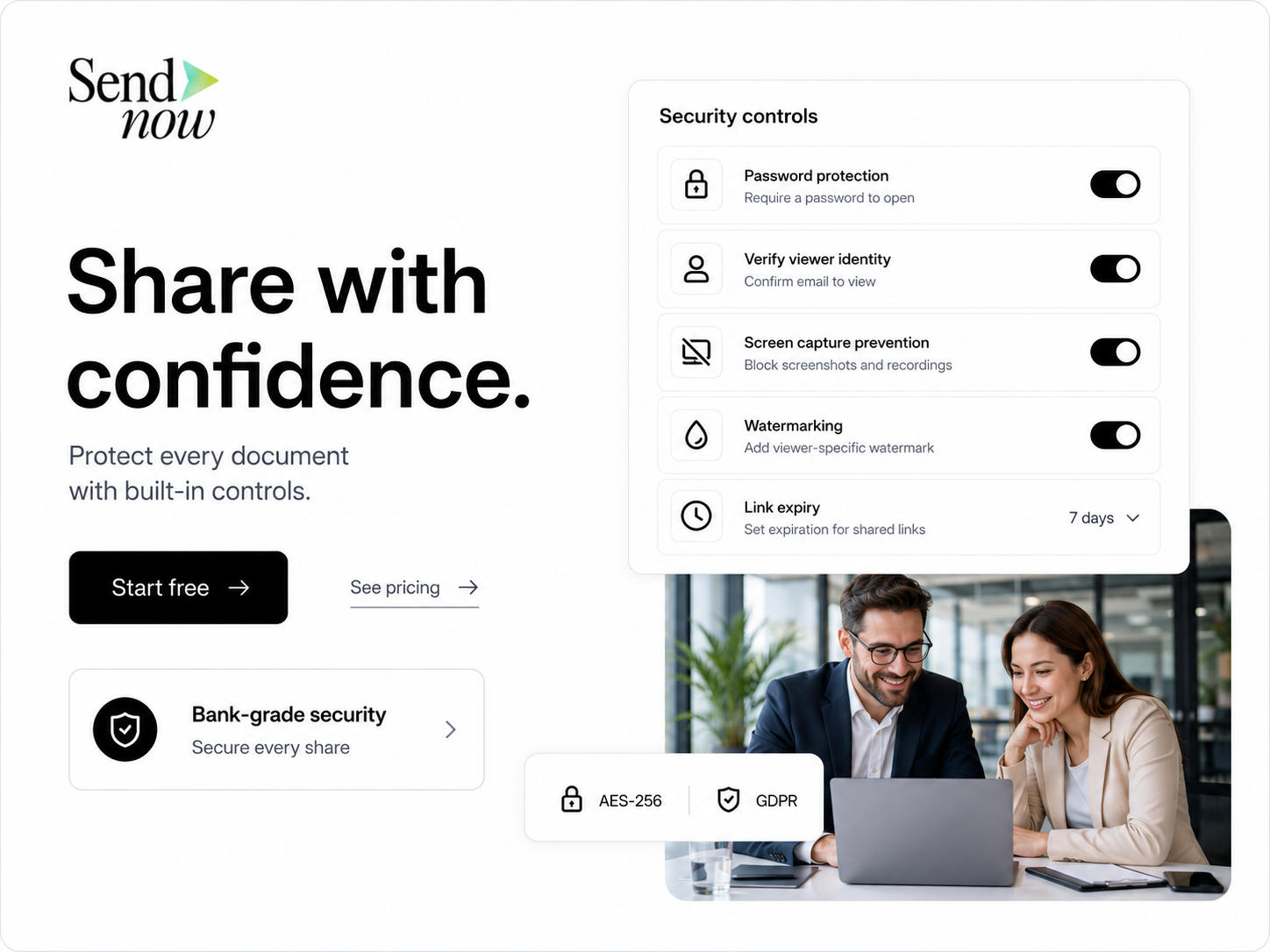
- configure viewer access,
- use expiration where appropriate,
- watermark sensitive copies,
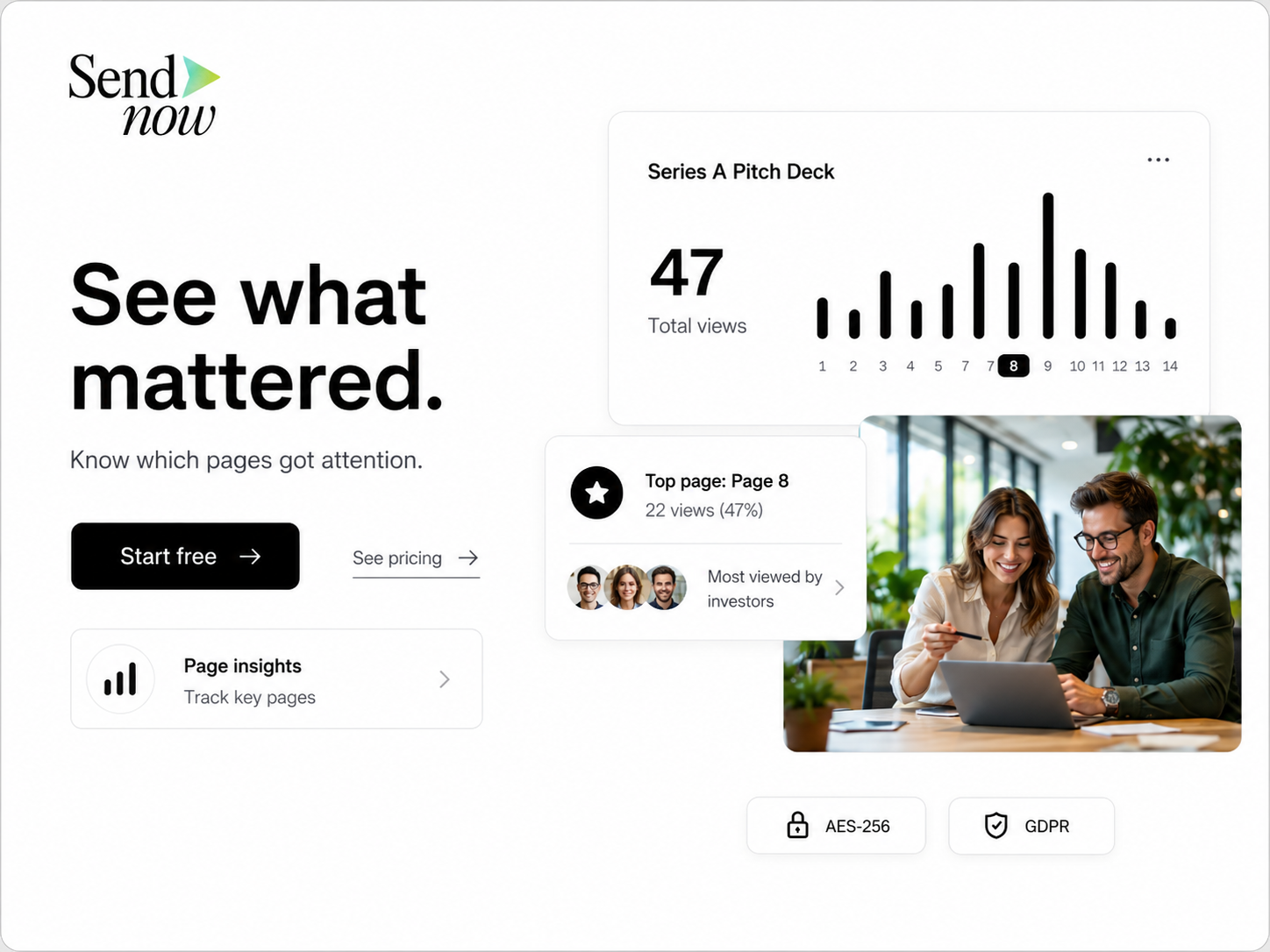
- track activity where needed.
If the investor is already reviewing several documents, add the balance sheet to the investor room instead of creating another standalone workflow.
Why context matters
A balance sheet rarely tells the full story by itself.
An investor may also need:
- historical P&L,
- cash-flow statement,
- forecast,
- model assumptions,
- debt schedule.
That is one reason a multi-document investor room becomes useful.
It keeps the supporting financial picture together.
Common mistakes
Sending an old version
Make sure the period matches what you discussed with the investor.
Sending an unexplained balance sheet
If unusual liabilities, shareholder loans, or one-off items exist, be prepared to explain them.
Sharing too early
Do not include detailed financial documents in cold outreach unless there is a specific reason.
Using weak access controls
Confidential financial data should not be treated like a marketing brochure.
FAQ
Do investors need a balance sheet at pre-seed?
It depends on the company and stage. Very early startups may have limited history, but serious investors may still ask for current cash, liabilities, and ownership information.
Should I send Excel or PDF?
Use the format that communicates the information clearly. If the investor needs the underlying model, share the spreadsheet separately with appropriate controls.
Can I share the balance sheet through my investor data room?
Yes. That is usually cleaner once diligence involves multiple financial documents.
Should I watermark a balance sheet?
For highly sensitive sharing, a personalized watermark can add accountability where the current platform and plan support it.
Final takeaway
A balance sheet belongs in the diligence stage of fundraising.
Share it deliberately, keep it consistent with the rest of your financial story, and move it into an investor room once the process becomes multi-document.
About the Author: Rifana Hameem
Rifana is the founder of SendNow. She leads the team in building secure, compliant, and analytics-rich document sharing tools for finance and professional teams worldwide.
Connect on LinkedIn