What Is a Deal Room and When Do You Actually Need One?

What Is a Deal Room and When Do You Actually Need One?
A deal room is a secure, online workspace used to share confidential documents with counterparties during a business transaction. It controls who can see, download or print sensitive materials, and logs every access event so all parties have a verifiable audit trail. Businesses use deal rooms for M&A transactions, fundraising rounds, debt financings, joint ventures and any situation where multiple parties need access to the same restricted documents simultaneously.
Deal Room vs. Virtual Data Room: Is There a Difference?
The terms are largely interchangeable in practice. "Virtual data room" (VDR) is the older enterprise term, historically used for large M&A processes managed by investment banks. "Deal room" has become the preferred label among founders, advisers and smaller businesses because it conveys purpose more directly.
The functionality is the same: a cloud-based repository with access controls, audit logs, NDA gating and document analytics. The distinction is more about audience than capability.
What a Deal Room Actually Does
A deal room does five things that ordinary file-sharing tools cannot:
Access control by role. You define who can view, download, forward or print each document. A potential buyer's legal team might have view-only rights to financial statements, while their CFO has download access. Your own M&A adviser has full access across all folders.
NDA gating. Visitors must accept your non-disclosure agreement before entering the room. The acceptance is timestamped and stored automatically, creating a binding record without requiring a separate e-signature workflow.
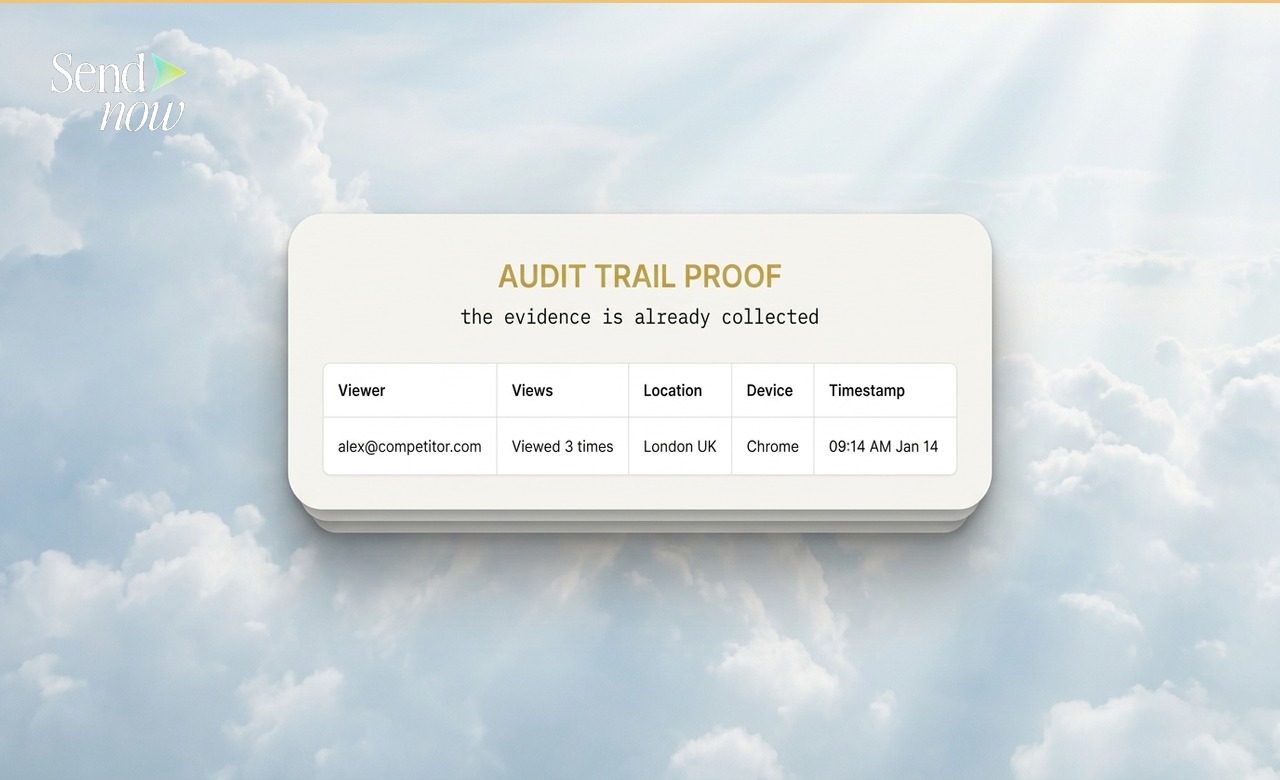
Audit logging. Every file open, download, page scroll and session is logged against a specific user and timestamp. This is not optional for regulated transactions in the EU; it is expected.
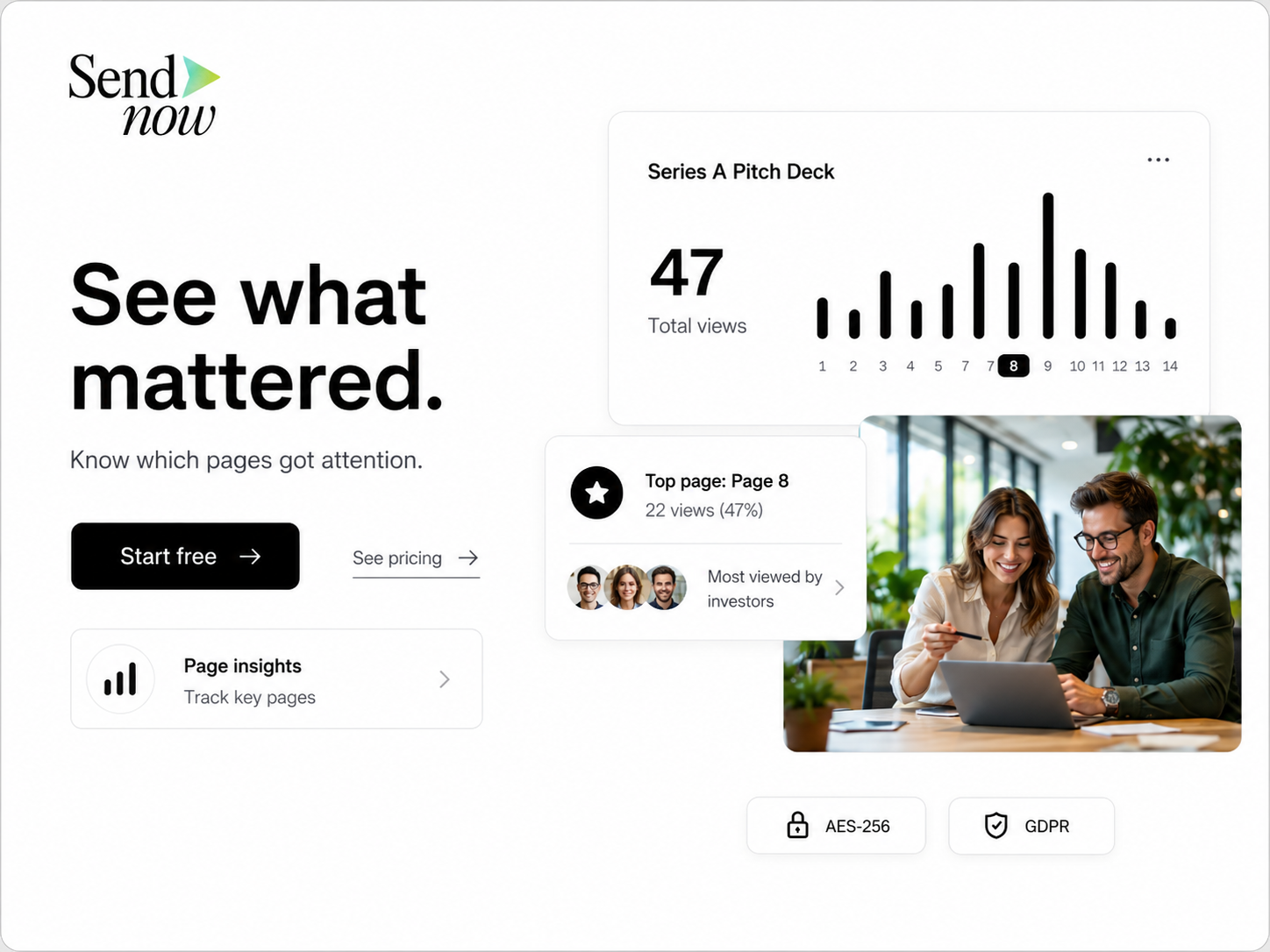
Document-level analytics. You can see which files received the most attention, which pages buyers spent longest on and which documents were never opened. That intelligence shapes your negotiation preparation.
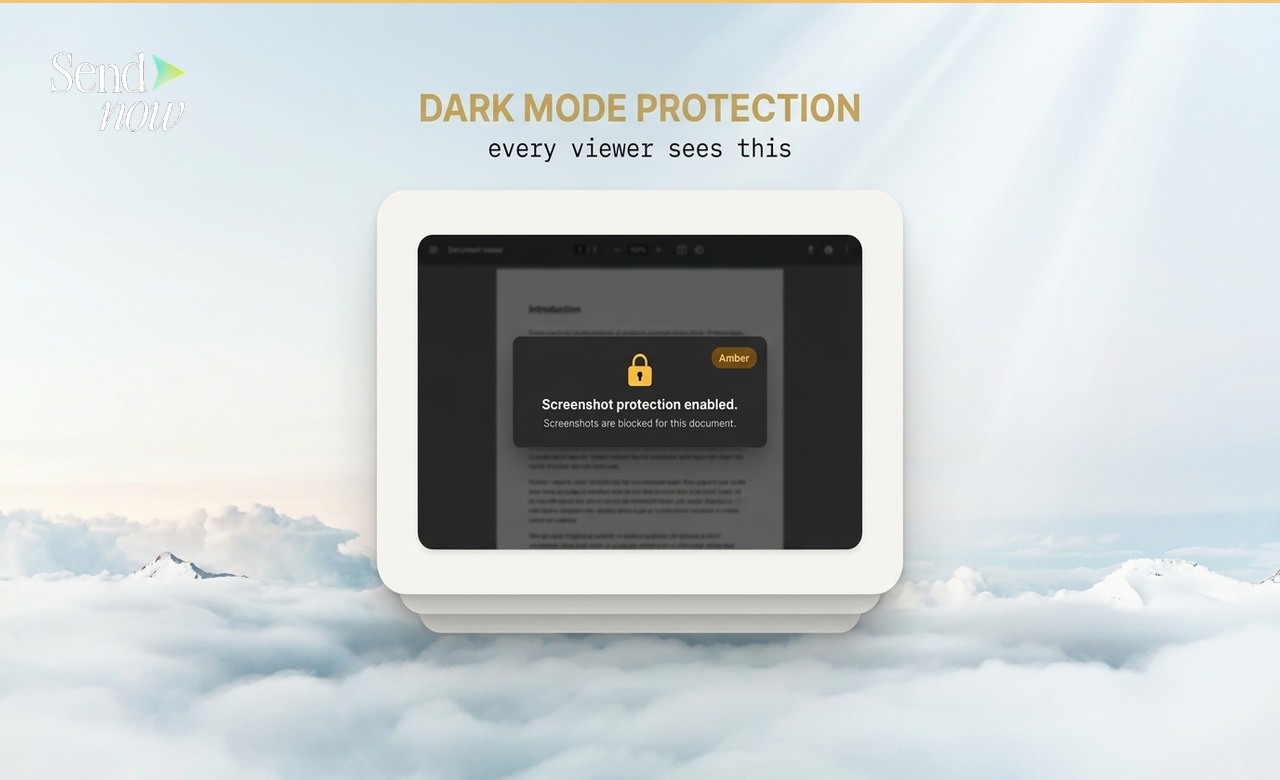
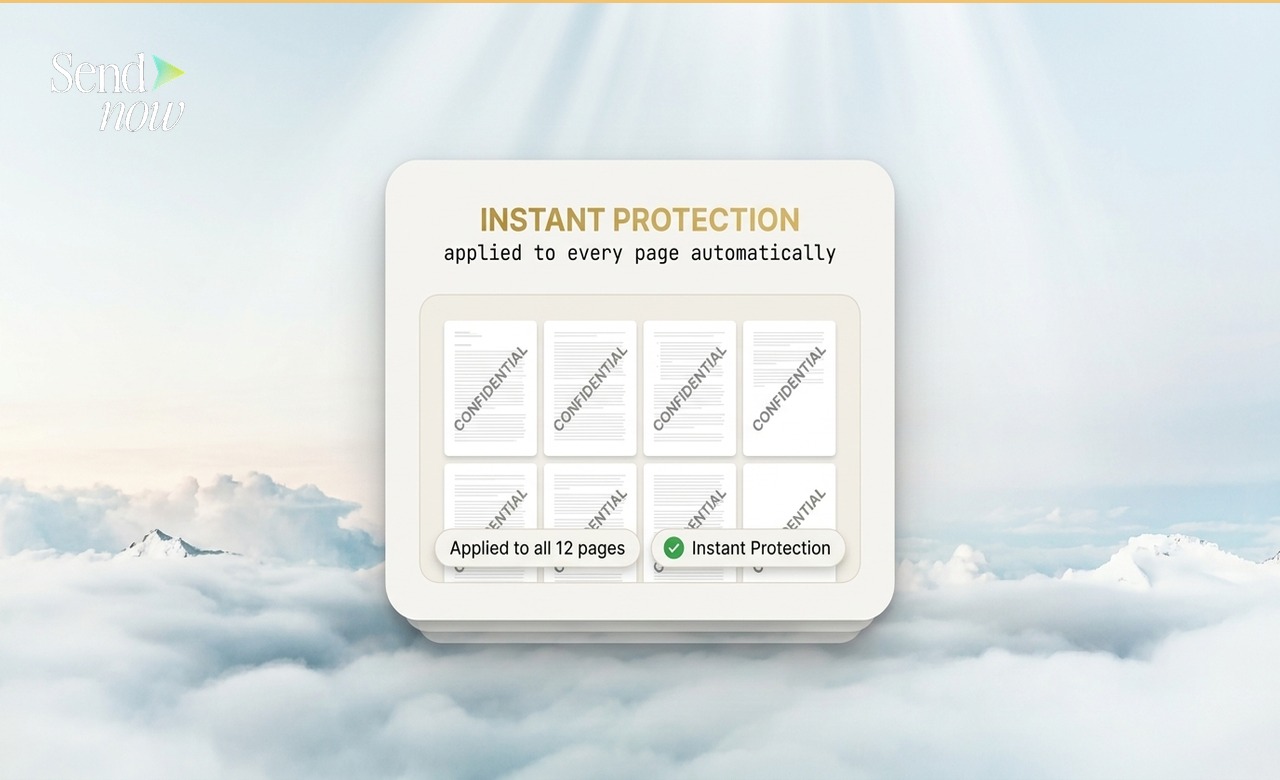
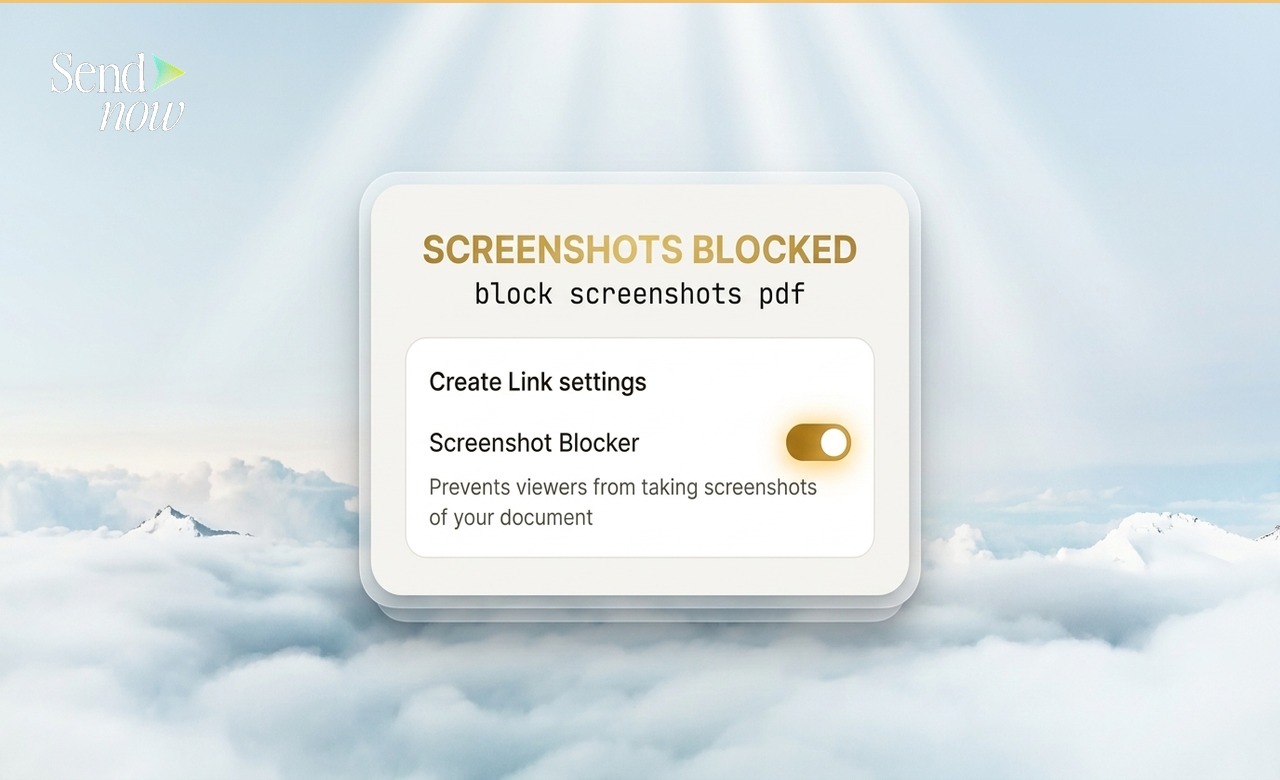
Watermarking and screenshot protection. Dynamically watermarked documents tie every copy to the user who downloaded it. Screenshot blocking prevents screen-capture tools from extracting content from sensitive files.
When Do You Actually Need a Deal Room?
Not every file-sharing situation requires a dedicated deal room. Use one when:
- You are preparing for an M&A exit and need to share company documents with multiple prospective buyers
- You are raising a funding round and sharing financials, cap tables and board presentations with investors
- You are entering a joint venture or strategic partnership requiring exchange of commercially sensitive documents
- You are responding to a tender or due diligence request from a large corporate client
- You are involved in a litigation settlement where document exchange needs a complete chain of custody
For informal document sharing with a single trusted contact, a well-configured secure sharing link with access expiry is often sufficient. The deal room format makes sense when multiple parties, multiple document categories and an audit requirement are all present at the same time.
Deal Room vs. Standard File Sharing: Feature Comparison
| Capability | Deal Room | Google Drive / Dropbox |
|---|---|---|
| NDA gate before entry | Yes | No |
| Per-user access controls | Granular | Basic |
| Full audit log | Yes | Limited |
| Document-level analytics | Yes | No |
| Dynamic watermarking | Yes | No |
| Screenshot blocking | Yes | No |
| GDPR-compliant EU data storage | Yes (with correct provider) | Depends on config |
| Setup time | Under 10 minutes | Immediate but insecure |
How to Set Up a Deal Room Quickly
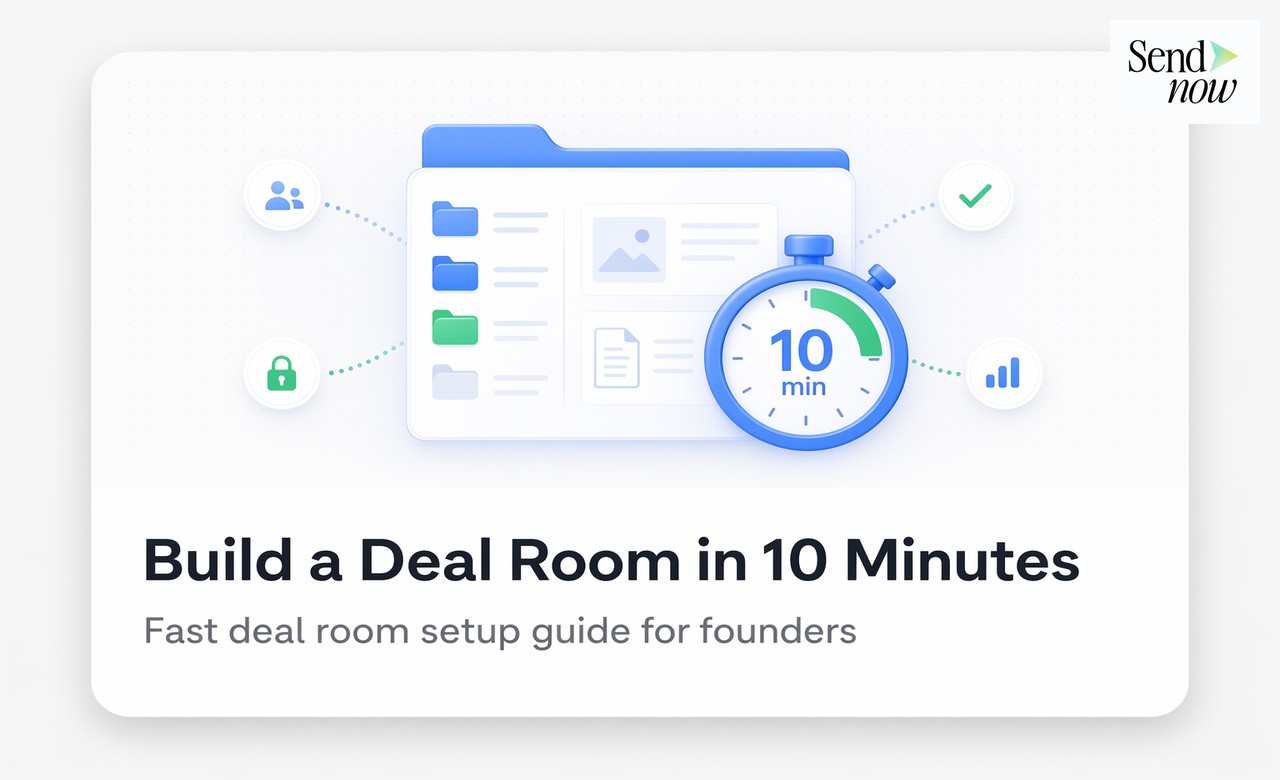
The fastest way to build a deal room is to upload your documents, organise them into logical folders, and configure access by inviting counterparties with defined permission levels. With SendNow, this takes under ten minutes for a standard fundraising or M&A room.
The critical configuration decisions are:
- NDA first or open entry? For any external-party transaction, require NDA acceptance before the first document is visible.
- Download vs. view-only? View-only reduces leak risk but can frustrate advisers who need to annotate locally. Consider download access for trusted parties only.
- Folder-level vs. document-level permissions? Folder-level is faster to manage; document-level gives more surgical control. Use folder-level for most deals unless a specific document has heightened sensitivity.
For a step-by-step walkthrough, see our guide on due diligence data room setup and the M&A due diligence document checklist to understand what to upload first.
GDPR and Deal Rooms in the EU
EU-based deals carry specific data protection obligations. When you share employee records, customer data or financial information with a buyer or investor, you are likely processing personal data under the GDPR. Your deal room provider must:
- Store and process data within the EU or under an adequate transfer mechanism
- Maintain a processing agreement with you as the data controller
- Provide access logs that function as part of your ROPA
- Support data subject rights requests if personal data is accessed during the process
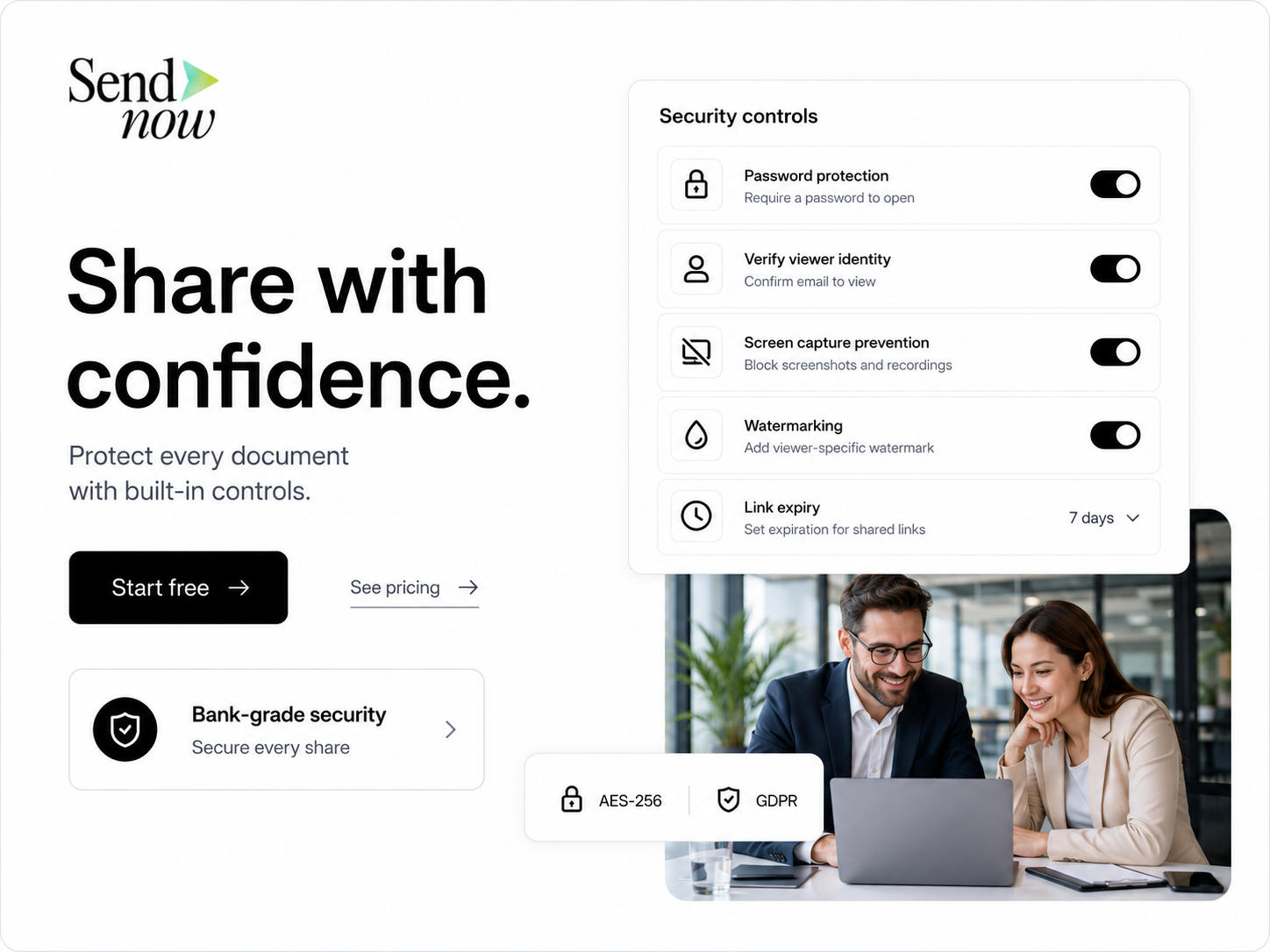
SendNow is built for EU-based transactions, with data processed within the EU, AES-256 encryption at rest and in transit, and full audit logging that supports GDPR accountability obligations.
For a broader view of how virtual data rooms support the entire deal lifecycle, read our complete guide to virtual data rooms.
Start Your Free Trial with SendNow
SendNow gives you a GDPR-compliant deal room with NDA gating, role-based permissions, document analytics and AES-256 encryption. Ready in minutes, no IT involvement required.
Start your free trial at sendnow.live
Frequently Asked Questions
1. What is a deal room in simple terms? A deal room is a secure online space where you share confidential business documents with selected counterparties during a transaction, with controls over who can access, download or print each file.
2. Is a deal room the same as a virtual data room? In practice, yes. Both refer to a secure cloud-based document repository with access controls and audit logs. "Deal room" is the more modern term used by founders and advisers; "virtual data room" is the traditional enterprise label.
3. When should I use a deal room instead of email or Google Drive? Use a deal room when multiple external parties need access to sensitive documents, when you need an audit trail of who reviewed what, or when an NDA needs to be accepted before document access is granted.
4. How long does it take to set up a deal room? With SendNow, a basic deal room with organised folders, access controls and an NDA gate can be live in under ten minutes.
5. Can a deal room enforce an NDA automatically? Yes. Deal rooms like SendNow require visitors to accept an NDA before they enter. The acceptance is timestamped and stored, creating a binding record without a separate signature process.
6. Is a deal room GDPR compliant? It depends on the provider. A compliant deal room must store data within the EU or under an adequate transfer mechanism, provide a data processing agreement and maintain full access logs. SendNow meets all of these requirements.
7. Who typically uses a deal room? M&A advisers, founders preparing for exit or fundraising, corporate development teams, legal advisers managing due diligence and finance directors responding to investor requests all use deal rooms regularly.
8. What happens to the deal room after the transaction closes? You can archive or delete the room. Best practice is to retain the audit log for a defined period as evidence of the process, particularly for EU transactions where accountability records may be required later.
About the Author: Rifana Hameem
Rifana is the founder of SendNow. She leads the team in building secure, compliant, and analytics-rich document sharing tools for finance and professional teams worldwide.
Connect on LinkedIn