
What Is a Virtual Data Room? A Simple Guide for Small Teams

What Is a Virtual Data Room?
A virtual data room, usually shortened to VDR, is a controlled online environment for sharing sensitive documents during a business process.
Common examples include:
- M&A,
- fundraising,
- due diligence,
- audits,
- private equity,
- partnerships,
- legal transactions.
Papermark's current VDR guide describes the category around confidential document sharing, permissions, watermarks, and page-level analytics.
Dropbox DocSend similarly describes its Spaces/data rooms as a way to group and share large amounts of content through one link while tracking visitor activity.
What makes a VDR different from cloud storage?
Google Drive and Dropbox are excellent general storage products.
A VDR is transaction-oriented.
It usually emphasizes:
- viewer control,
- document permissions,
- audit/activity history,
- watermarking,
- NDA gating,
- organized diligence.
Do small teams need enterprise VDRs?
Not always.
Ubersuggest data shows virtual data room is a commercially valuable keyword, but the category contains everything from startup-friendly tools to enterprise transaction platforms.

A boutique adviser handling a small transaction may not need the complexity of a giant enterprise deployment.
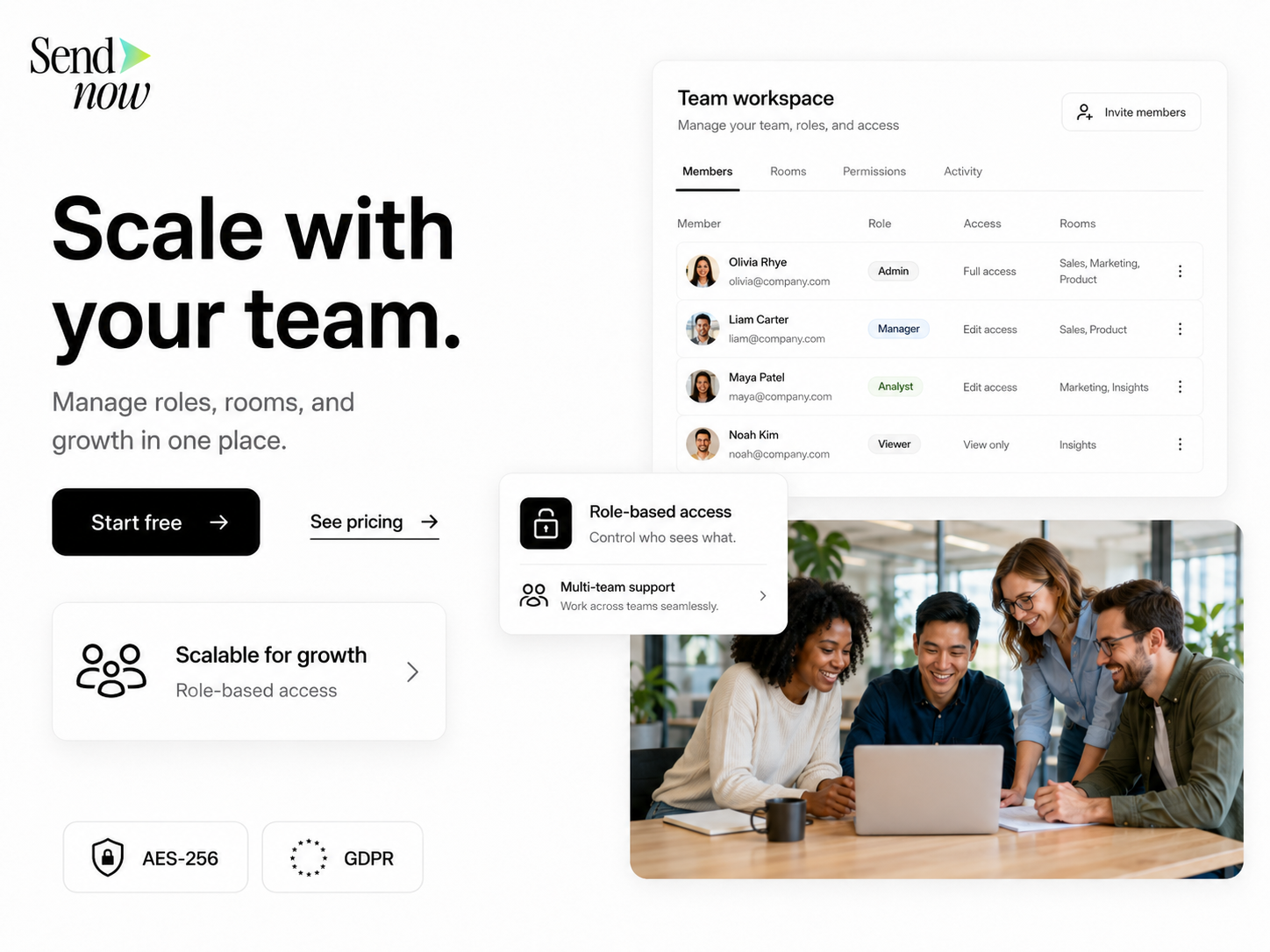
That is where lightweight VDR products and Microsites become relevant.
FAQ
What does VDR stand for?
Virtual data room.
Is Google Drive a VDR?
Not in the traditional transaction-focused sense, although some small teams use it as a basic substitute.
What is a lightweight VDR?
A simpler data-room product focused on core document sharing, access, organization, and activity rather than enterprise process complexity.
Conclusion
A VDR is less about storing documents and more about controlling a sensitive business review process.
About the Author: Rifana Hameem
Rifana is the founder of SendNow. She leads the team in building secure, compliant, and analytics-rich document sharing tools for finance and professional teams worldwide.
Connect on LinkedIn