Best Sales Proposal Tracking Tools in 2026

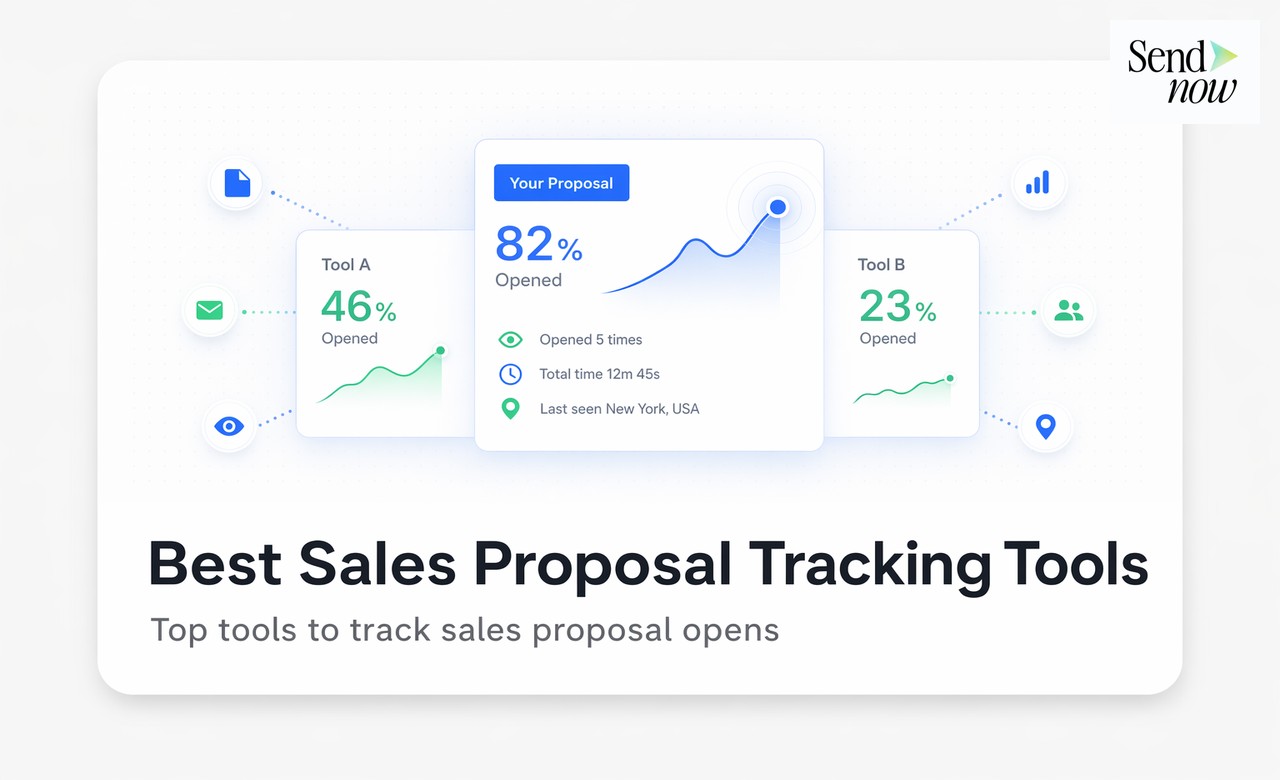
The best sales proposal tracking tools in 2026 do more than tell you whether a prospect opened your document. They provide page-level analytics, return visit alerts, engagement scoring, and CRM integration so that your follow-up is timely, specific, and data-led. This guide ranks the leading options for B2B sales teams, with particular attention to EU compliance requirements that many US-centric tools still fail to meet adequately.
What to Look for in a Proposal Tracking Tool
Before comparing individual tools, it helps to define what "tracking" actually means at different levels of sophistication.
Basic tracking tells you when a document was opened and by how rough an estimate of time. Most document sharing and e-signature tools offer this.
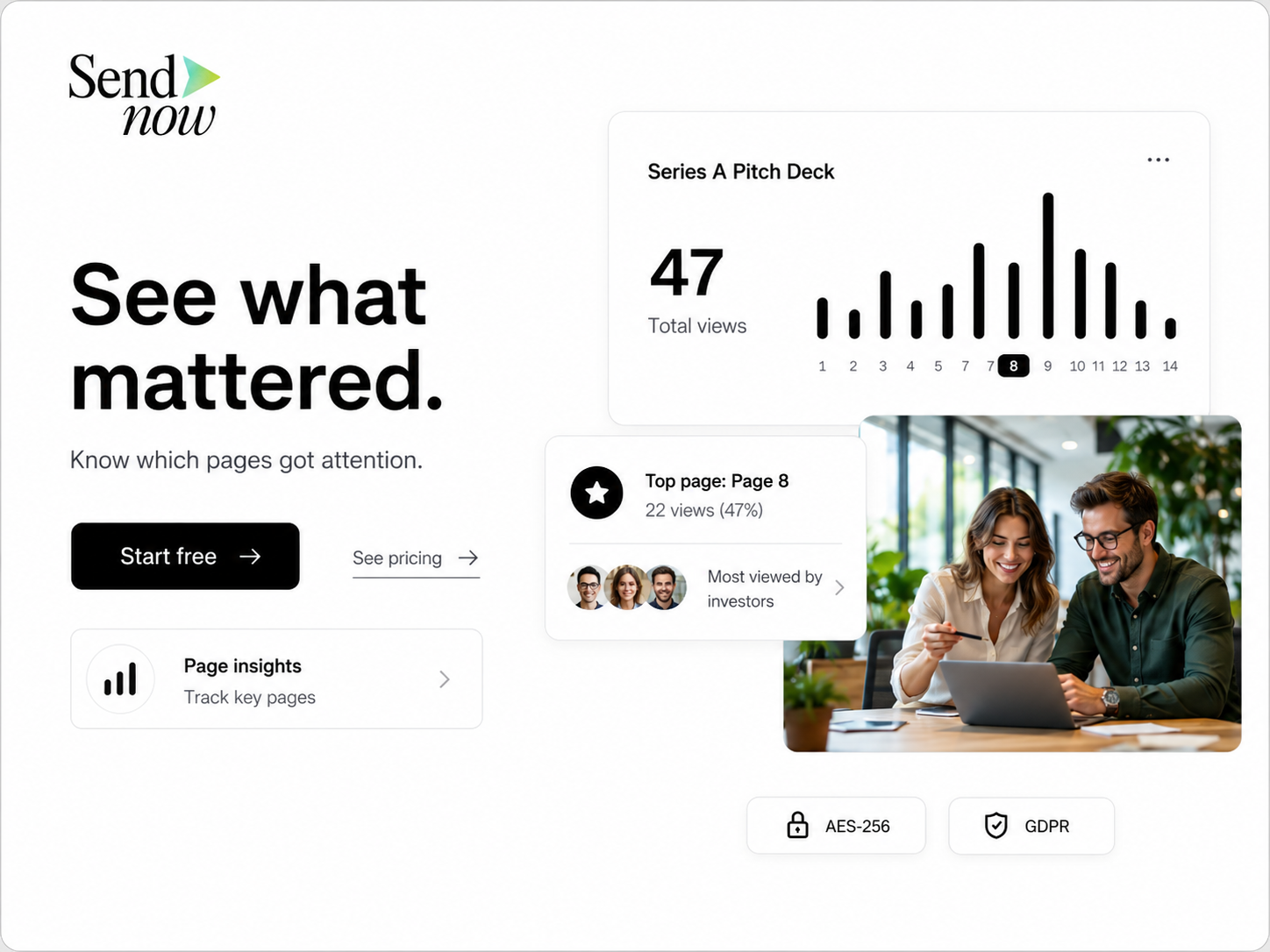
Intermediate tracking adds page-level detail: how long a recipient spent on each page, the completion rate, and whether the link was forwarded. This level is where most modern proposal tools operate.
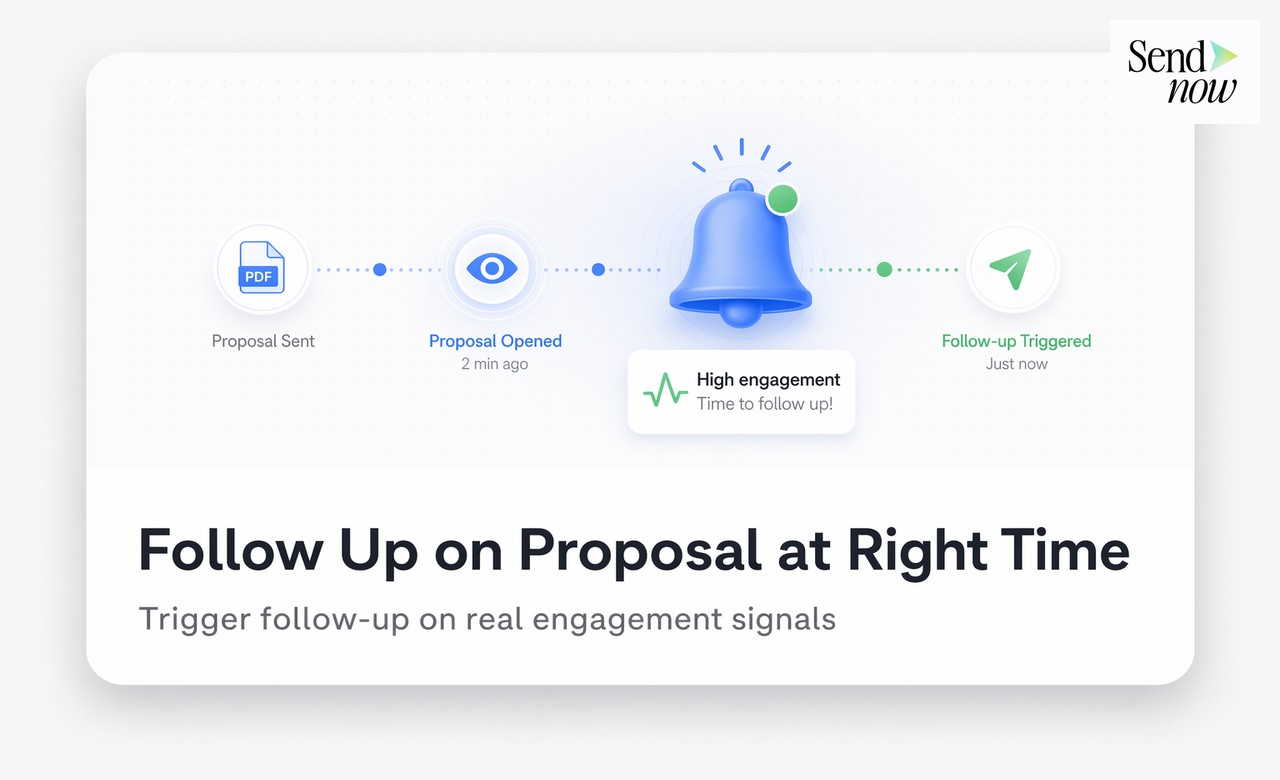
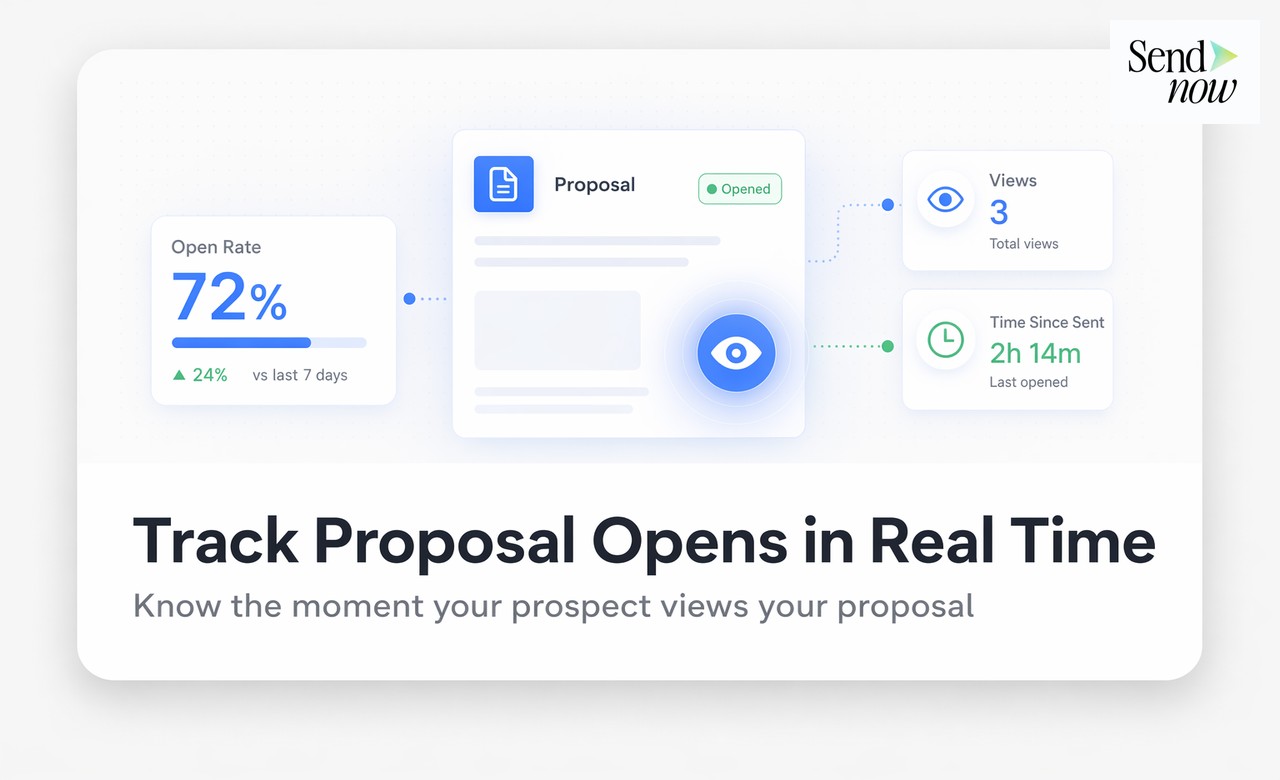
Advanced tracking adds engagement scoring, real-time return visit notifications, identification of multiple viewers, and CRM-ready event data. This is the level that genuinely changes how sales teams operate.
For EU-based teams or teams with European clients, an additional requirement applies: the tool must process data in compliance with the GDPR, which typically means EU data hosting, a signed Data Processing Agreement, and clear documentation of sub-processors.
The Leading Sales Proposal Tracking Tools in 2026
SendNow is built specifically for secure document sharing with engagement analytics. It provides page-level viewing data, return visit notifications, email-gate identification of individual viewers, and US-hosted infrastructure with full GDPR documentation. Best suited to finance, legal, and professional services teams that need both compliance and sales intelligence from a single platform.
Proposify is a dedicated proposal creation and tracking tool with a strong emphasis on design templates, electronic signatures, and a deal pipeline view. Tracking depth is good at the proposal level but less granular at the page level compared with document-native tools. Data processing is US-based by default.
PandaDoc combines document creation, e-signatures, and tracking in a broad sales enablement platform. Analytics are solid and CRM integrations are extensive. EU data residency is available on higher-tier plans. Better suited to teams that prioritise document creation workflow over analytics depth.
DocSend (Dropbox) pioneered page-level document analytics and remains strong on tracking granularity. It has a broad user base and good CRM integrations. Since its acquisition by Dropbox, pricing has increased and EU data residency options are less clearly documented.
Qwilr focuses on interactive web-based proposals with embedded media, pricing tables, and accept-in-browser functionality. Tracking covers opens, acceptance, and page scrolling. Analytics depth is lower than document-native tracking tools. EU data processing should be confirmed before use.
Notion + Share Links is used by many early-stage teams as an improvised proposal tool. It offers basic open tracking through third-party integrations. Not appropriate for sensitive financial proposals due to limited access controls and no GDPR-specific compliance documentation.
Tool Comparison Table
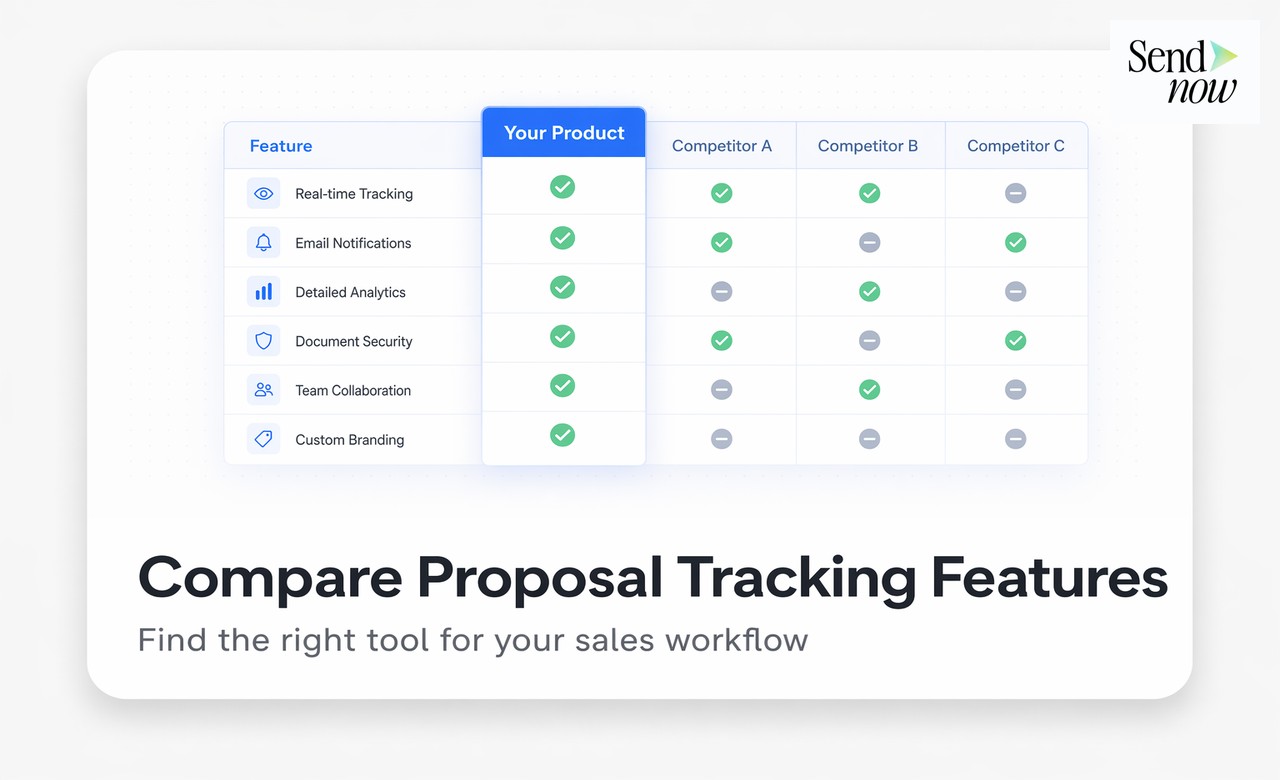
| Tool | Page-Level Analytics | Return Visit Alerts | Engagement Scoring | EU Hosting | DPA Available | Best For |
|---|---|---|---|---|---|---|
| SendNow | Yes | Yes | Yes | Yes | Yes | Finance and professional services |
| Proposify | Limited | No | No | No | On request | Design-led proposal creation |
| PandaDoc | Yes | Yes | Limited | Higher plans | Yes | Full sales enablement |
| DocSend | Yes | Yes | No | Confirm with vendor | Yes | Marketing and sales documents |
| Qwilr | Basic | No | No | Confirm with vendor | On request | Interactive web proposals |
How to Choose the Right Tool for Your Team
The right choice depends on three variables: the sensitivity of your documents, the importance of analytics depth to your sales process, and your GDPR obligations.
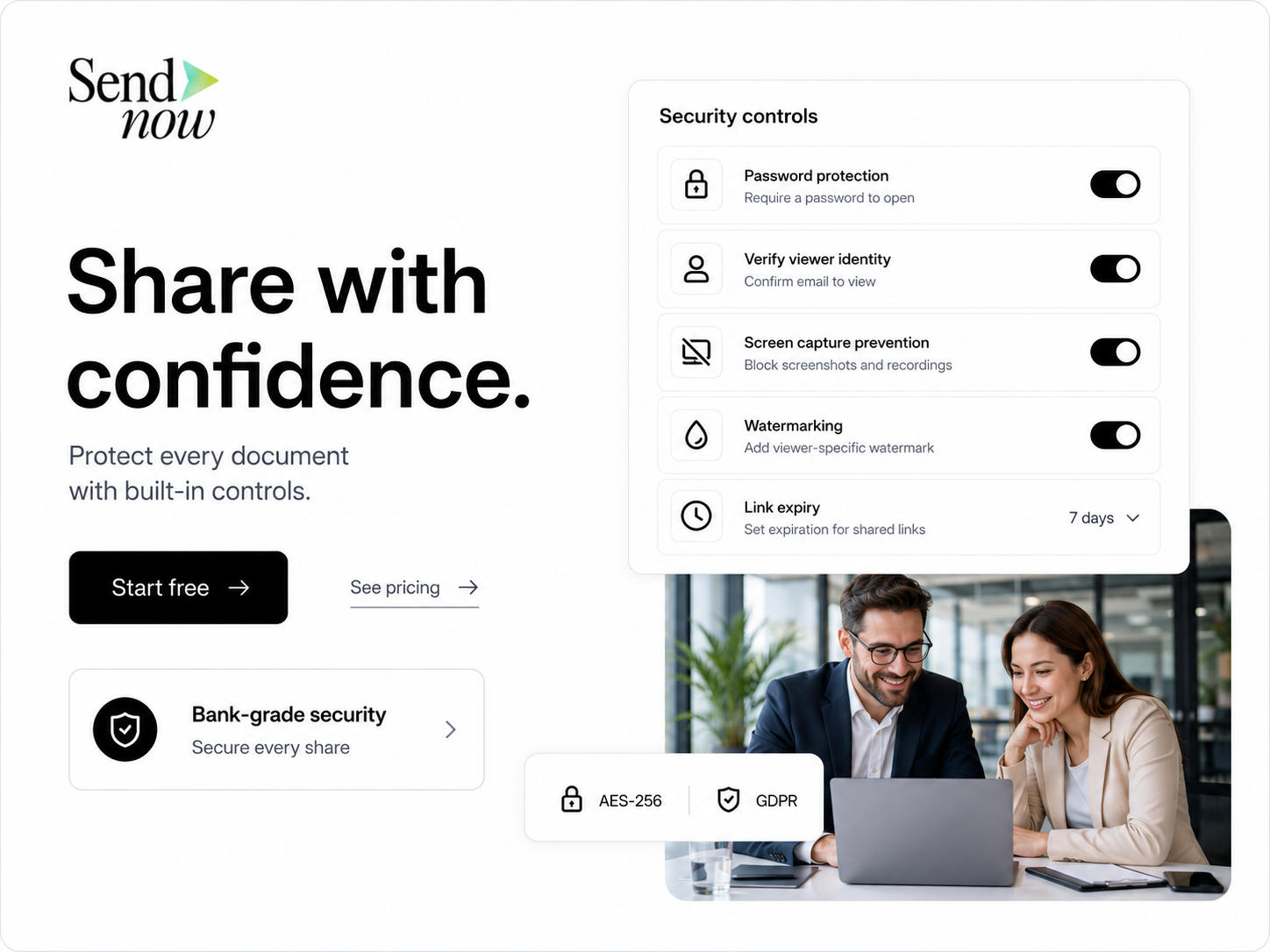
For finance and professional services teams sharing sensitive client documents, the combination of EU data hosting, access control, and deep analytics makes SendNow the strongest fit. The compliance posture is non-negotiable for many institutional and regulated clients.
For high-volume SMB sales teams focused on proposal design and workflow automation, PandaDoc or Proposify offer broader feature sets for the proposal creation stage.
For teams that primarily need marketing collateral tracking (investor decks, product sheets, pitch materials), DocSend's heritage in that use case makes it a solid option.
For the broader context of how to act on this data, read our Document Intelligence for Sales Guide and How to Send a Business Proposal That Actually Gets Read.
Try SendNow's proposal tracking. Page-level analytics, return visit notifications, EU data hosting, and a full GDPR-compliant stack. Start at sendnow.live.
Frequently Asked Questions
Q: Do I need a dedicated proposal tracking tool, or can my CRM handle this? A: Most CRMs track email opens but not document engagement at the page level. A dedicated proposal tracking tool integrates with your CRM to add document-level signals that your CRM cannot generate on its own. The two work best in combination.
Q: What is the most important tracking metric for B2B proposal follow-up? A: Return visits. A prospect who returns to your proposal unprompted is in active evaluation mode. Time spent on the pricing or scope pages is a close second, as it indicates they are seriously working through the numbers.
Q: Are free proposal tracking tools adequate for professional use? A: Free tiers of most tools offer limited tracking depth, basic open notifications only, and often process data outside the EU. For teams handling sensitive client information, a paid plan with documented EU data processing is worth the investment.
Q: How do I know if a proposal tracking tool is genuinely GDPR-compliant? A: Ask for a Data Processing Agreement, confirm the location of data processing servers, and review the sub-processor list. A tool that cannot provide these documents promptly is unlikely to be compliant in practice.
Q: Can proposal tracking data be used in a CRM pipeline? A: Yes. The best tools push engagement events directly to CRM deal records via native integrations or Zapier, creating a complete activity timeline alongside your calls and emails.
Q: Is it ethical to track how prospects read my proposals? A: In B2B sales, tracking engagement with materials you have sent is generally considered standard practice and is analogous to knowing whether your email was opened. Transparency in your privacy policy or terms of engagement is good practice, particularly for EU-based prospects.
Q: How often do proposal tracking tools update their analytics? A: Most modern tools update in real time or near-real time. This is particularly important for return visit notifications, where a delay of several hours can mean missing the window to follow up while the prospect is actively engaged.
Q: What should I do if a prospect uses a VPN and my tracking cannot identify their location? A: A VPN may obscure the geographic location but will typically not prevent page-level analytics from recording time spent and completion rate. Focus on the engagement signals you do have rather than treating VPN use as a red flag.
About the Author: Rifana Hameem
Rifana is the founder of SendNow. She leads the team in building secure, compliant, and analytics-rich document sharing tools for finance and professional teams worldwide.
Connect on LinkedIn