How to Send a Proposal That Gets Read

- Most proposals get ignored because they are generic, arrive with no tracking, and trigger follow-up at the wrong time.
- A strong proposal includes a personalized executive summary, clear value framing, transparent pricing, and social proof.
- The delivery method matters as much as the content. Tracked links beat email attachments for engagement data and professional presentation.
- Client proposal software with built-in analytics tells you which sections a prospect read so you can follow up with precision.
How to Send a Proposal That Gets Read
Meta description: Client proposal software gives sales teams the structure, delivery control, and engagement analytics to send proposals that prospects actually read and respond to. This guide answers the seven most important questions about proposal creation, delivery, and tracking.
Introduction
Most proposals go unread.
Research from Guideflow captures the problem directly: "You spent three hours building that proposal in Word. The prospect opened it, skimmed the pricing table, and went silent. You have no idea what happened because static documents don't talk back."
That is the core challenge with the way most sales teams send proposals today. They invest real time in writing a thorough document, attach it to an email, and then lose all visibility the moment they hit send. No confirmation that it arrived. No data on which sections the buyer read. No signal for when to follow up.
Client proposal software fixes this visibility gap. It combines document creation, secure delivery, and engagement analytics into one workflow, so your proposal reaches the right person, makes the right impression, and tells you exactly what to say when you follow up.
This guide answers the seven questions sales reps, marketing managers, and account executives ask most when they want to send proposals that actually get read.
What Is Client Proposal Software?
Client proposal software is a platform that helps businesses create, send, track, and manage sales proposals in a professional and measurable way. At the simpler end, it provides templates and branded document builders. At the more advanced end, it includes secure delivery with viewer analytics, e-signature capabilities, and real-time engagement scoring.
According to Oneflow, "the proposal management software market is projected to reach 9 billion dollars by 2035, growing at a 11.1% CAGR. That growth tells us one thing: businesses are done with the chaos of managing proposals through email chains, Microsoft Word docs and crossing fingers."
For sales teams, the practical definition is simpler: it is software that makes proposals easier to build, more professional to deliver, and traceable enough that you know when and how to follow up. The key differentiator between basic tools and best-in-class platforms is analytics depth. A tool that only helps you create a PDF gives you half the equation. A tool that also tells you how the buyer interacted with every page of that PDF gives you the full picture.
What Should a Client Proposal Include?
A strong client proposal answers the buyer's core question before they have to ask it: "Why is this the right decision for our business?"
According to Highspot, "The most effective sales proposals are ones that wholly reflect the prospective customer's goals and challenges, align to each stakeholder's priorities, and guide decision-making with structured, relevant detail."
The sections a winning proposal includes:
Executive summary - A concise, personalized opening that summarizes the buyer's problem and your proposed solution. Write this last, after the rest of the proposal is finished. It should feel tailored to this specific client, not copy-pasted from a template.
Problem statement - A clear articulation of the challenge the client is trying to solve, written in their language, ideally referencing things they said during discovery calls.
Proposed solution - A description of your approach, tied directly to the problem you just articulated. Avoid generic feature lists. Connect every capability to a specific client outcome.
Pricing - Transparent, easy to read, and contextually framed against the value you deliver. Hiding pricing or making it confusing creates friction and slows decisions.
Social proof - Case studies, testimonials, or data points that demonstrate you have delivered results for similar clients. Specificity matters far more than volume here.
Clear next step - A single, unambiguous call to action: a meeting link, a signature field, or a response deadline. Proposals that leave buyers uncertain what to do next stall.
According to PandaDoc, a project proposal should "specify the project's objectives, scope, methodology, resources, timeline and projected outcomes" — a framework that applies directly to commercial proposals for sales teams.
How Long Should a Client Proposal Be?
The right proposal length depends on the complexity of the deal, but shorter is almost always better when you have the right structure.
For a standard B2B sale under $25,000, a proposal of four to eight pages is appropriate. For complex enterprise deals, technical projects, or multi-year contracts, longer proposals of ten to twenty pages are justifiable. In both cases, the executive summary should communicate the full value proposition in under half a page, because that is often all a time-pressed stakeholder reads before deciding whether to forward it internally.
GetAccept notes that "too many sales reps fall into common traps — sending generic, static proposals with little insight into buyer engagement." Length becomes a liability when it dilutes the core message. Every page your proposal includes should serve a specific purpose. If a section does not directly support the buyer's decision, cut it.
A practical test: read your proposal aloud from the perspective of a skeptical VP who has five minutes. Does every paragraph earn its place? If a section reads like filler or internal justification rather than buyer-facing value, remove it.
How Do You Make a Proposal Stand Out?
Most proposals look identical. They follow the same template, use the same boilerplate language, and arrive as a PDF attachment in an email that gets buried in a busy inbox. Standing out requires a different approach to both content and delivery.
Personalize beyond the client name. Reference specific things the client said in discovery: their exact pain points, the terminology they used, the metrics they care about. A buyer who recognizes their own words in your proposal instantly trusts that you were listening.
Lead with outcome, not process. Instead of "We will conduct a three-week audit of your current workflows," write "By week three, you will have a clear map of where deals stall and exactly what to fix first." The buyer cares about the result, not the methodology.
Use a branded microsite instead of a PDF attachment. Sending your proposal through a branded delivery page with your client's logo, a clean URL, and a professional layout creates an experience that generic email attachments cannot match. It signals that you treat your clients' buying experience with the same care you bring to the work itself.
Include a short personal video. A 60-to-90-second video in which you walk through the key points of the proposal adds a human dimension that static documents lack. Multiple proposal software platforms support embedded video.
According to Responsive.io, the best proposals "leave a lasting impression" by combining tailored content with a delivery experience that reflects the quality of the relationship you intend to build.
What Is the Best Way to Send a Proposal to a Client?
The delivery method shapes the first impression your proposal makes. These are the options available, roughly ordered from least to most professional:
Email attachment (PDF) - Easy to send, zero visibility after it leaves your outbox. No tracking, no analytics, no confirmation of receipt. The default choice, but not the best one.
Google Drive or Dropbox link - Slightly better than an attachment, as you can see view counts. But there is no page-level analytics, no identity gating, and no professional presentation layer.
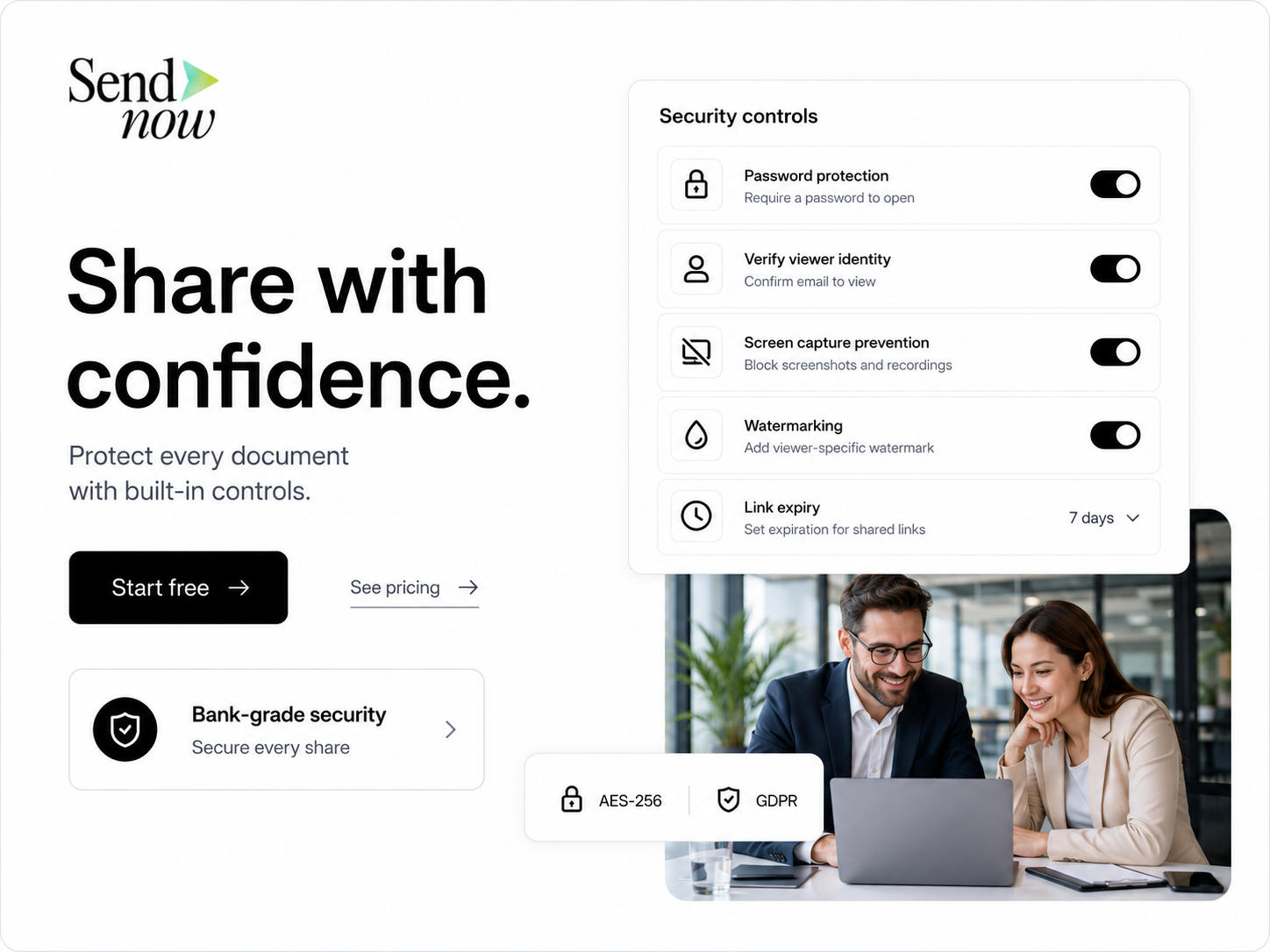
Proposal software with tracked links - The most effective method for high-stakes proposals. A tracked link delivers the document inside a professionally branded viewer, captures who opened it and when, and provides page-by-page engagement data. Tools like SendNow add NDA gating, screenshot protection, and a custom domain so the delivery link reads as yours rather than a third-party URL.
GetAccept's research confirms that "proposals can work for you — helping you prioritize warm leads, tailor follow-ups, and accelerate deals" when the right delivery infrastructure is in place. The medium communicates something about your brand. A proposal delivered via a polished branded microsite says something different than a PDF dropped into an email thread.
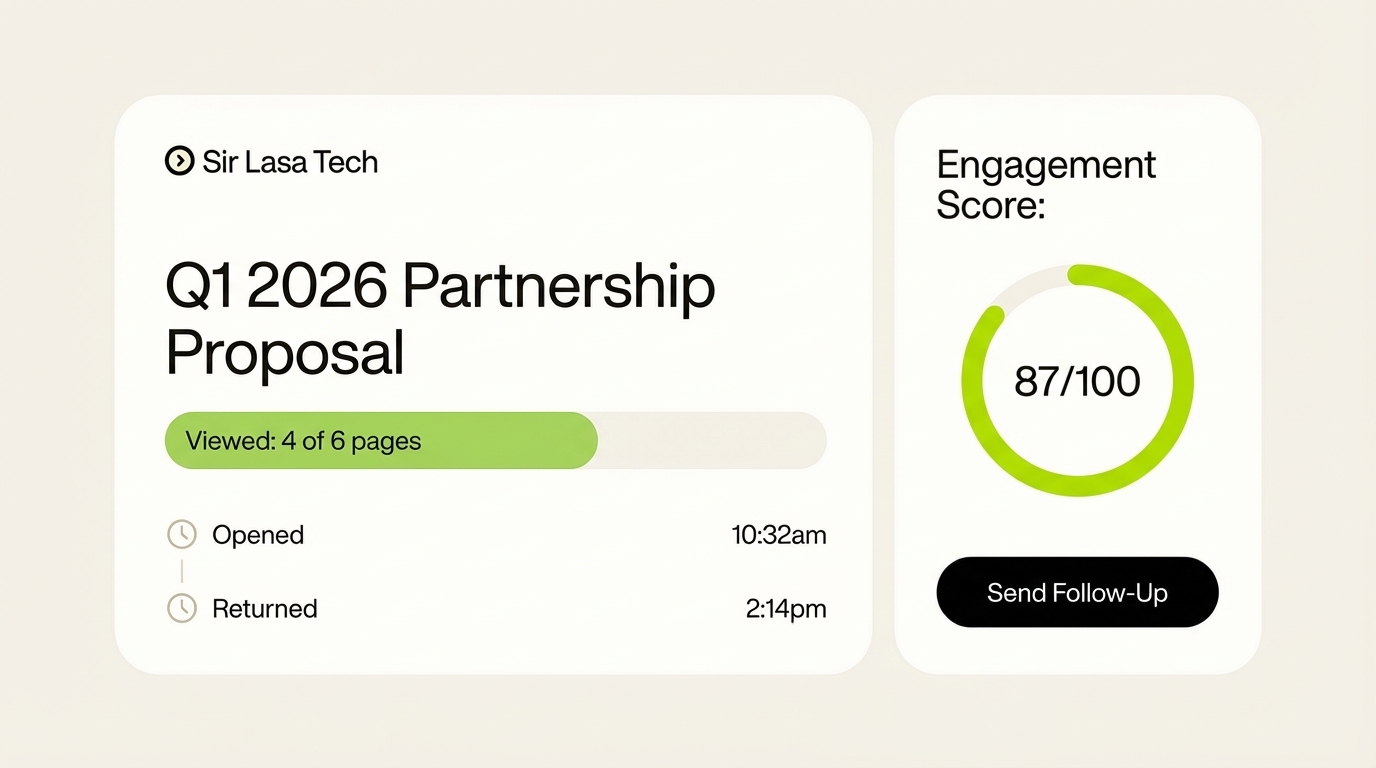
SendNow's branded proposal delivery shows the client's viewing timeline, page progress, and AI engagement score alongside a single-click follow-up action.
How Do You Track Whether a Client Has Read Your Proposal?
Sending a proposal through a tracked delivery link is the only reliable way to confirm a client has read it. Email read receipts are inconsistent, and asking a client "Did you get a chance to look at the proposal?" puts the burden on them and introduces awkwardness.
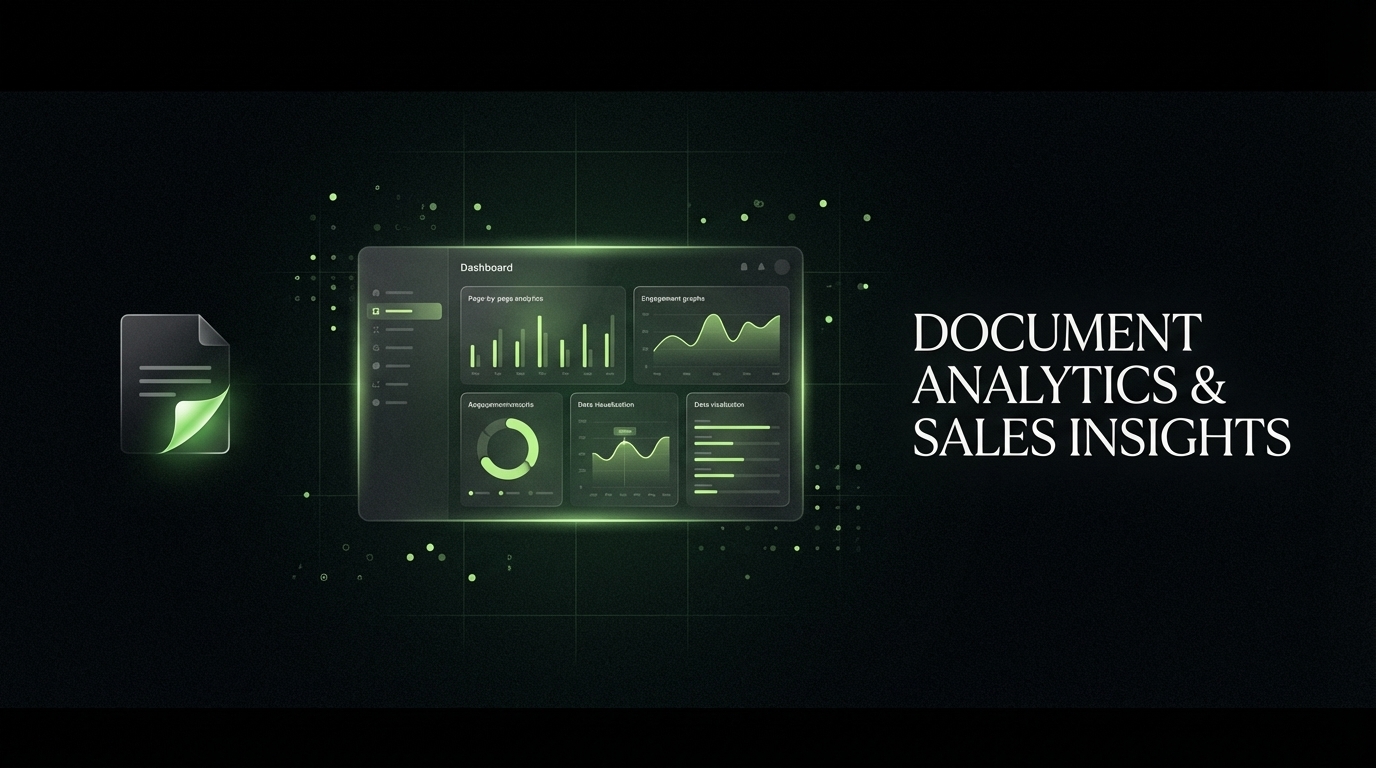
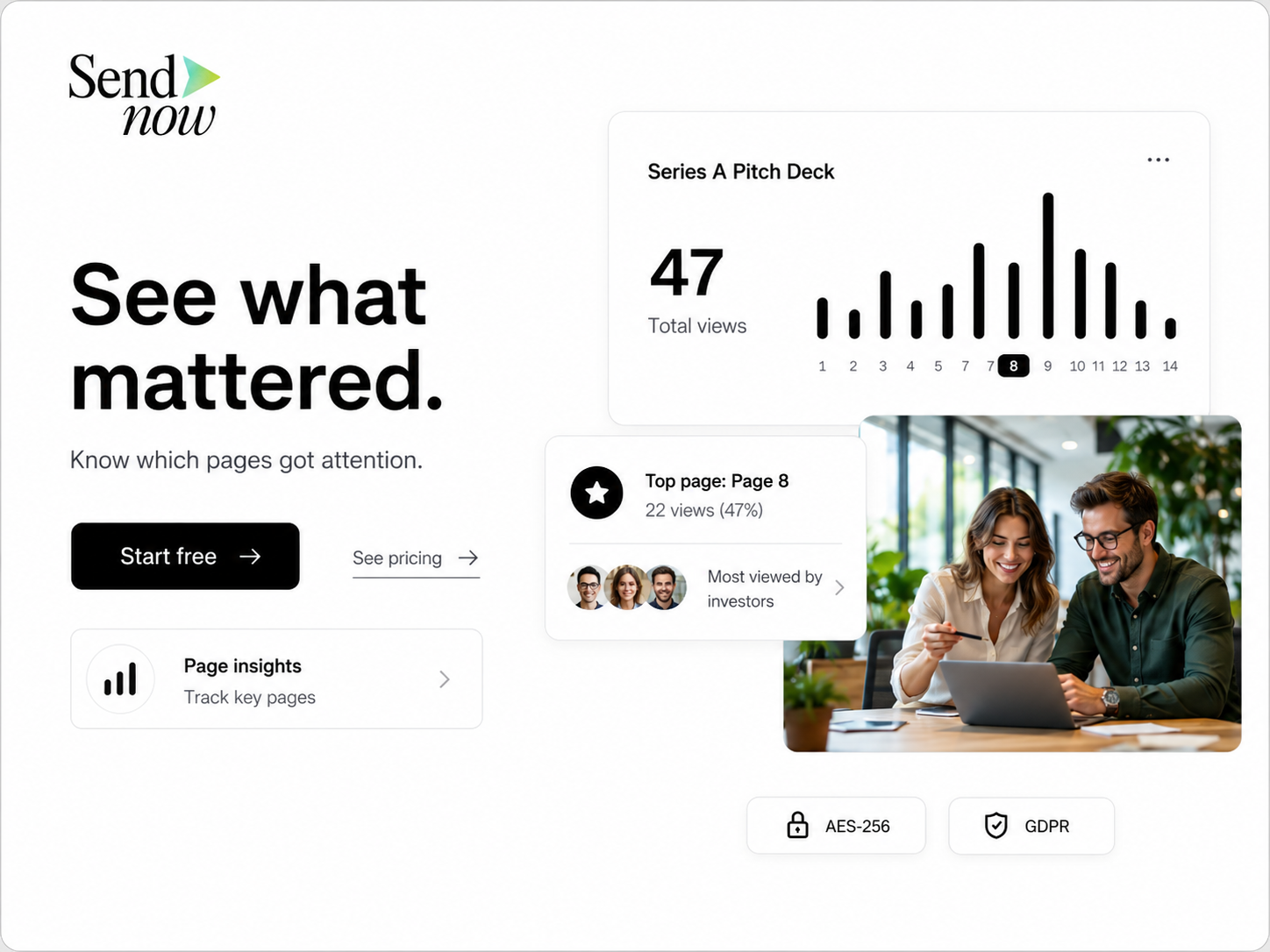
Document tracking tools give you a direct answer. The moment your client opens the proposal link, you receive a notification. As they read, the platform records which pages they spent time on, whether they returned to specific sections, how many times they viewed the document in total, and from what device and location.
According to DocBeacon, "without tracking, you are flying blind... You wonder, 'did client open my proposal document?' Without alerts, you don't know if they missed your email or just aren't interested."
Platforms like SendNow extend this further with AI engagement scoring. Instead of reviewing raw analytics on every deal, the platform scores overall engagement automatically, so a high-score alert tells your AE that a prospect is actively engaged, before that prospect has said a word. This is the kind of signal that changes how you run your pipeline.
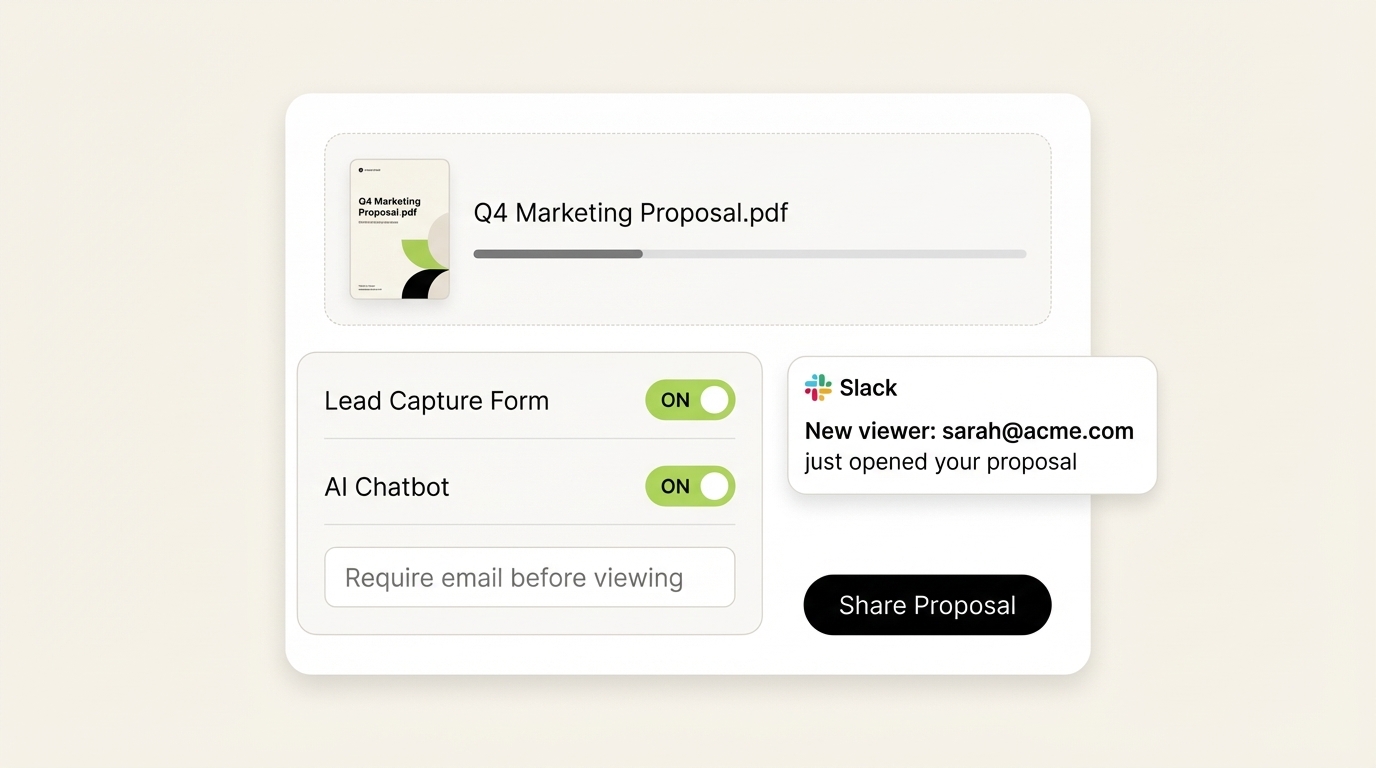
SendNow sends a Slack notification the instant a prospect opens a proposal, including the viewer's identity if lead capture is enabled.
What Is the Best Client Proposal Software for Sales Teams in 2026?
The proposal software category spans a wide range of tools, from light document-sharing platforms to heavy CPQ and contract management systems. The right choice depends on whether your priority is content creation, delivery intelligence, or both.
SendNow (sendnow.live) - Best for sales teams that need professional delivery with deep engagement analytics. Features include branded microsites, real-time open notifications, page-by-page analytics, AI engagement scoring, NDA gating, screenshot protection, lead capture, and Slack integration. Pro plan from $9/month, Business at $33/month (3 members), with a free trial and no credit card required. Designed specifically for revenue teams and financial professionals.
PandaDoc - Best for teams that need proposal creation, e-signatures, and contract management in one tool. More complex to set up and priced higher, but covers more of the post-proposal workflow.
Proposify - Strong template library and proposal editor with built-in tracking. Good for agencies and professional services firms that send many proposals in a standardized format.
GetAccept - Combines video messaging, proposal creation, and e-signatures. Popular with inside sales teams running high-volume, shorter-cycle deals.
Qwilr - Web-based proposal builder that creates interactive, trackable proposal pages instead of PDFs. Visually strong but more limited on the security side.
According to Oneflow, "the difference between a scattered proposal process and a streamlined one is the difference between chasing deals and closing them." The best client proposal software unifies creation and intelligence so both halves of that equation work together.
For teams where the priority is knowing the moment a client reads the proposal and using that signal to follow up with precision, the analytics layer is non-negotiable.
What Is the Real Sendnow Screenshot

SendNow's live interface showing a document sent to a prospect with real-time viewer data, page analytics, and follow-up controls.
Conclusion
A proposal that no one reads is a proposal that never closes a deal. The difference between proposals that get studied and ones that get ignored is a combination of content quality, delivery format, and follow-up timing — and all three are addressable with the right client proposal software.
Write proposals that lead with the client's problem, keep length proportional to deal complexity, and deliver through a branded tracked link rather than an email attachment. Then use the engagement data to follow up at the moment it matters most.
SendNow handles the delivery and intelligence side of this equation, starting at $9/month with a free trial and no credit card required. Trusted by over 100 revenue teams, it gives you the open notifications, page analytics, and AI engagement scoring to turn your next proposal into a conversation starter at exactly the right moment.
Start your free trial at sendnow.live and send your next proposal with full visibility from the first open to the final signature.
Keep Reading
About the Author: Rifana Hameem
Rifana is the founder of SendNow. She leads the team in building secure, compliant, and analytics-rich document sharing tools for finance and professional teams worldwide.
Connect on LinkedIn