
Sharing a CIM With Buyers: Complete Deal Security & NDA Guide

How to Share a CIM Securely With Potential Buyers
A Confidential Information Memorandum is often the first document in an M&A process that contains enough detail to create real disclosure risk.
The teaser is intentionally limited.
The CIM is not.
A typical CIM may include:
- detailed financial performance,
- customer concentration,
- market position,
- growth strategy,
- management information,
- operational detail,
- investment highlights,
- forecasts.
That makes the sharing workflow important.
The adviser wants buyers to review the information easily. The seller wants control over who sees it.
Step 1 — Qualify the buyer
Do not send the CIM indiscriminately.
The buyer should generally be sufficiently credible to enter the process. That may involve buyer screening, proof of capital, adviser conversation, or strategic fit.
Step 2 — Complete the NDA process
The CIM is commonly shared after an NDA has been executed.
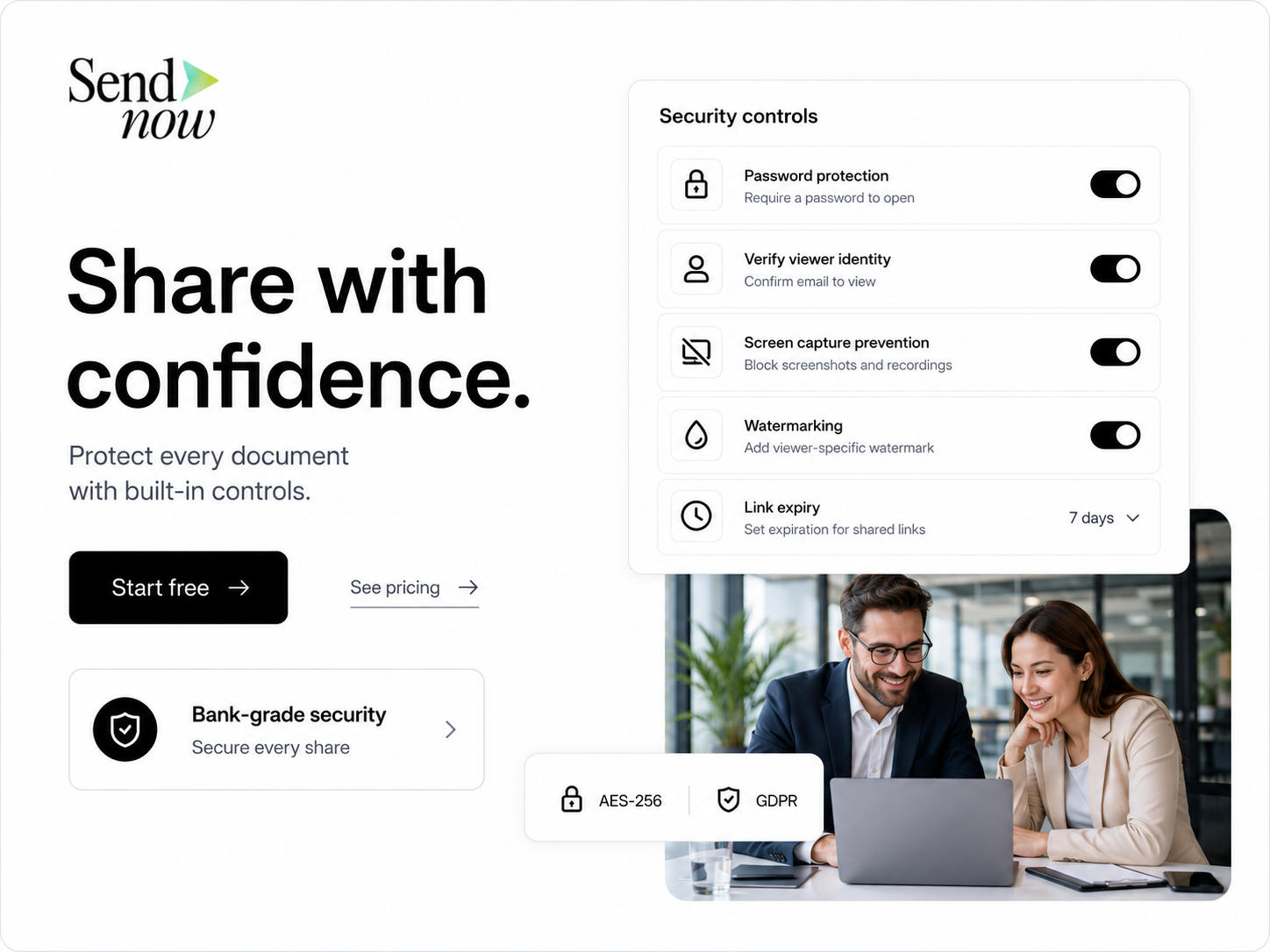
The NDA may be handled separately or through a document-gating workflow.
The key point is that the recipient should clearly agree to the confidentiality terms before accessing sensitive seller information.
Step 3 — Use a controlled link
Do not default to an unrestricted attachment.
A controlled link gives the adviser more options after the document is shared.
Depending on the platform:
- verify viewer identity,
- revoke access,
- expire the link,
- disable downloads,
- watermark the document,
- monitor engagement.
Step 4 — Watermark sensitive copies
Dynamic watermarks can deter casual forwarding because recipient information appears on the content.
Watermarks do not make leaks impossible. They create accountability.
Step 5 — Track engagement carefully
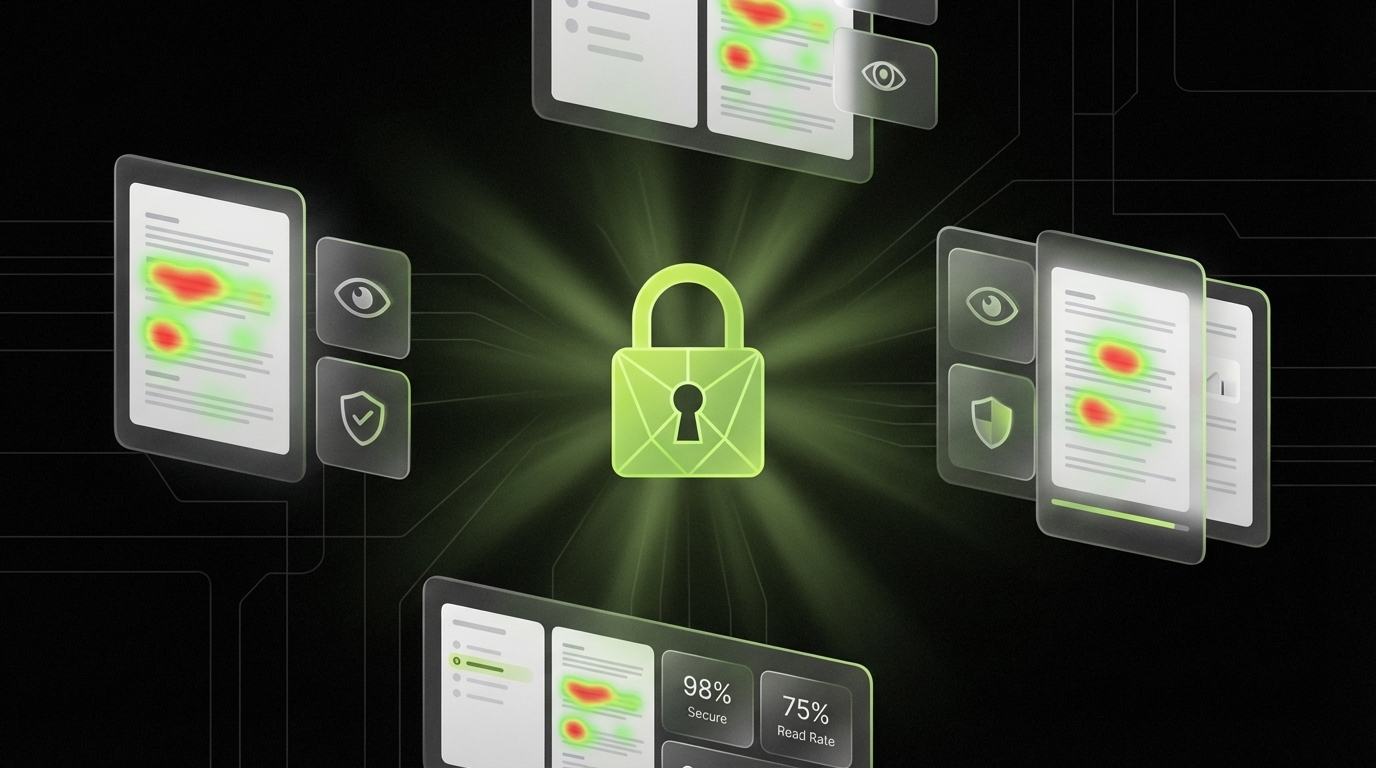
CIM analytics can help the adviser understand buyer activity.
For example:
- Has the buyer opened the document?
- Did they return?
- Which sections received more attention?

This can help prioritize follow-up. It should not be treated as proof that the buyer will bid.
Step 6 — Move serious buyers into the data room
The CIM is not the full diligence package.
Once a buyer progresses, the adviser may share:
- historical financials,
- QoE,
- management presentation,
- contracts,
- operational information,
- tax,
- HR,
- IP.
That is the point where a dedicated M&A room becomes more useful.
CIM sharing methods compared
| Method | Control after sending | Tracking | Buyer experience | Best use |
|---|---|---|---|---|
| Email attachment | Low | No | Familiar | Low sensitivity |
| Shared cloud folder | Moderate | Limited | Familiar | Collaboration |
| Tracked CIM link | Higher | Yes | Simple | Initial buyer review |
| M&A data room | Highest for multi-file process | Yes | Organized | Diligence |
FAQ
What is a CIM?
A Confidential Information Memorandum is a detailed M&A marketing document used to provide qualified buyers with financial, commercial, operational, and strategic information about a business.
Should the CIM be password protected?
A passcode can be one useful layer. For serious processes, combine access controls with buyer verification, NDA workflow, expiration, and other appropriate protections.
Should CIM downloads be disabled?
It depends on the process. Some buyers need offline review. Others can work entirely in the viewer.
Can I see which CIM pages a buyer viewed?
A tracking platform can provide page-level engagement where that capability is available.
Final takeaway
A CIM should be easy for a legitimate buyer to review and difficult to distribute casually.
About the Author: Rifana Hameem
Rifana is the founder of SendNow. She leads the team in building secure, compliant, and analytics-rich document sharing tools for finance and professional teams worldwide.
Connect on LinkedIn