Investor Roadshow Playbook: Meetings, Travel and Follow-Up for Founders

An investor roadshow is a concentrated run of investor meetings, usually over two to four weeks, often across several cities. The founders who run it well do four things: they build a tiered meeting list before booking anything, cluster meetings by city and day to cut travel, send materials as tracked links instead of attachments, and follow up within 24 hours using what investors actually read. Track every deck with SendNow so you know which investors are leaning in before you spend another flight on them.
Investor Roadshow Playbook: Meetings, Travel and Follow-Up for Founders
What is an investor roadshow?
An investor roadshow is a planned sequence of meetings with venture capital firms, angels and other investors, run in a short window so that interest builds in parallel. The term comes from public offerings, where executives tour cities to meet institutional investors, but founders raising seed to Series B rounds use the same idea.
Running meetings close together matters because investor interest is time-sensitive. When several firms are evaluating you at once, each one moves faster. Spread meetings over three months and you lose that momentum.
How do you build the investor meeting list?
Start with fit, not fame. A partner who invests at your stage, in your sector, with a cheque size that matches your round, is worth more than a famous name who never leads deals like yours.
Organise the list into three tiers:
| Tier | Who | Share of meetings | When to meet |
|---|---|---|---|
| Tier 1 | Best-fit lead investors | 20 to 30% | Middle of the roadshow, once your pitch is sharp |
| Tier 2 | Good-fit leads and strong followers | 40 to 50% | Throughout |
| Tier 3 | Practice and relationship meetings | 20 to 30% | First week |
Use the first week to rehearse with Tier 3 investors. By the time you meet Tier 1 partners, you have answered the hard questions a dozen times.
For research, our guide to raising a seed round covers how to qualify investors, and the SendNow VC list helps you find firms by stage and sector.
How should founders plan roadshow travel?
Travel is where roadshows waste the most time and money. A few rules keep it under control:
- Cluster by city. Book a city only once you have at least four to six meetings there. Fill remaining slots with video calls.
- Cluster by neighbourhood. In large cities, group meetings by area so you are not crossing town four times a day.
- Leave buffers. Allow at least 45 minutes between in-person meetings. Partners run late; traffic happens.
- Stay central. A slightly more expensive hotel near most of your meetings saves hours and taxi fares.
- Protect one evening per city for investor dinners or catching up on follow-ups.
Keep a single roadshow sheet with every meeting, address, attendee, travel booking and status. Share it with your co-founder so either of you can cover if plans change.
Budget for the roadshow
| Cost category | What to plan for |
|---|---|
| Flights | Book early; refundable fares if dates may shift |
| Lodging | Central location over upgrades |
| Ground transport | Taxis and rides between meetings |
| Meals | Including a few investor coffees and dinners |
| Contingency | 10 to 15% for changes |
Tag every expense to the raise so you can see the real cost per meeting afterwards.
What should you send before an investor meeting?
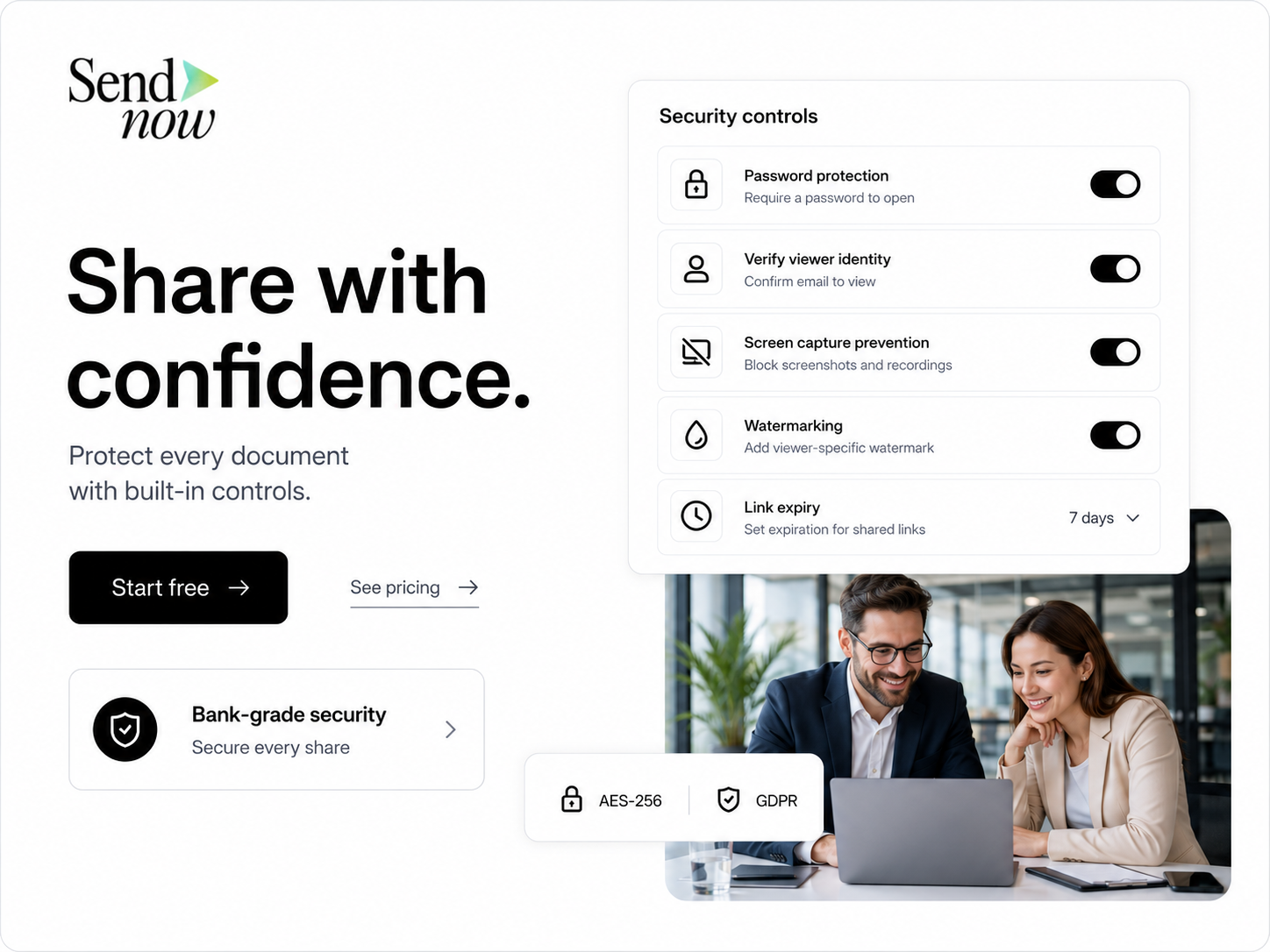
Send a short teaser deck or one-pager a few days before the meeting, never the full data room. Send it as a tracked link, not an email attachment. Attachments get forwarded without your knowledge, cannot be updated, and tell you nothing about whether anyone read them. We cover this in detail in pitch deck attachment vs trackable link.
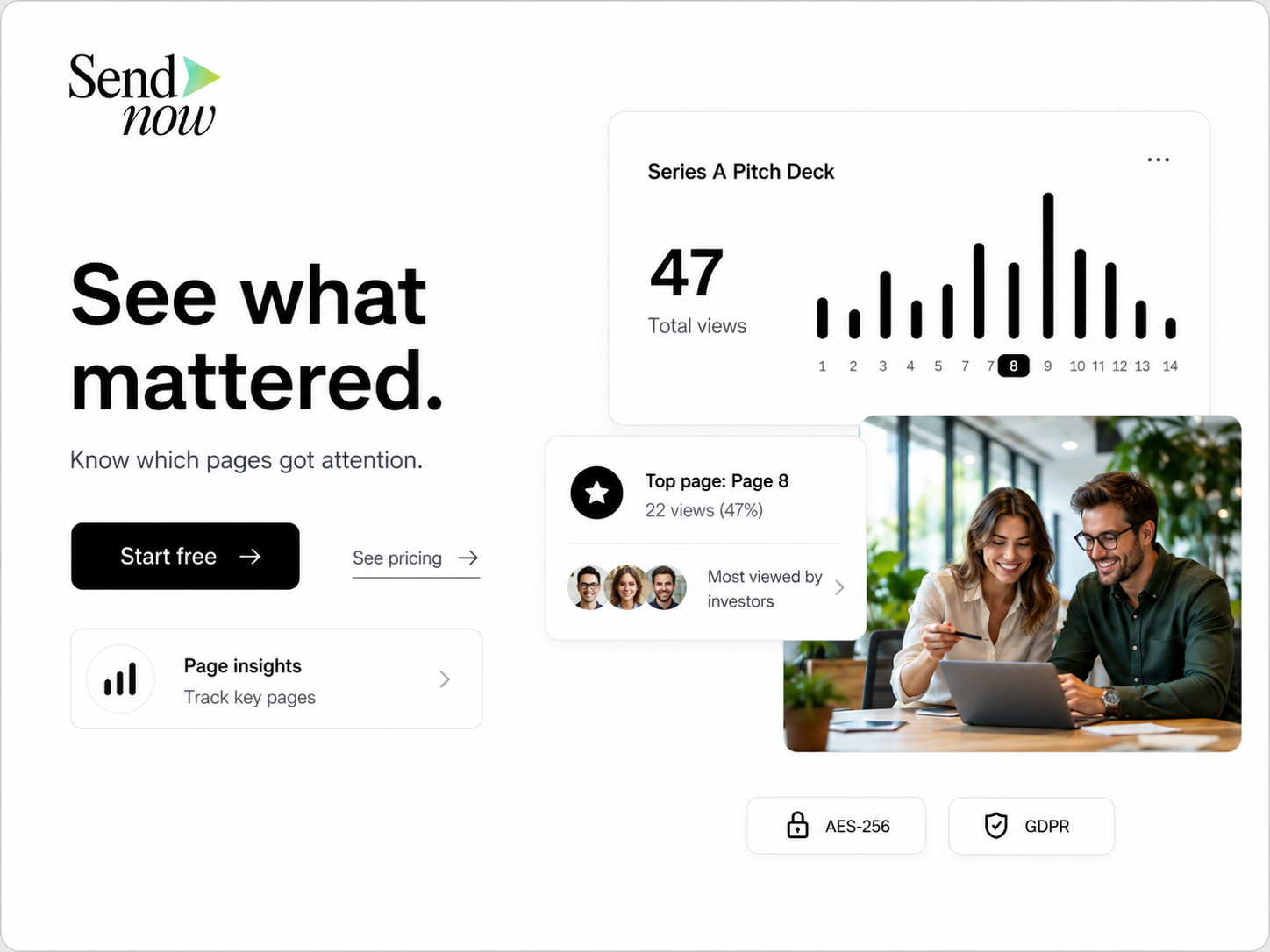
With a tracked link you can see:
- Whether the partner opened it before the meeting
- Which slides they spent time on
- Whether they shared it with colleagues
- Whether they came back to it after the meeting
That turns preparation into something specific: if the partner spent four minutes on your unit economics slide, expect questions there.
How do you run a strong partner meeting?
- Open with the one-sentence story: what you do, for whom, and why now.
- Get to traction early. Investors want evidence before vision.
- Leave half the time for questions. The questions tell you what they are worried about.
- Ask about process before you leave: who else needs to meet you, what the next step is, and when they typically decide.
- Write notes within ten minutes of leaving, while details are fresh.
How quickly should you follow up after an investor meeting?
Within 24 hours. A good follow-up thanks them, answers any open question, and confirms the next step they described. Attach nothing; link to the materials.
Then use engagement data to prioritise. Our guide to prioritising follow-ups with VC engagement scores shows how to read the signals:
| Signal | What it often means | Action |
|---|---|---|
| Opened within hours, long time on financials | Serious evaluation | Offer a deeper session, prepare data room access |
| Shared with several colleagues | Internal discussion | Expect a partner meeting request |
| Opened once briefly | Low priority for them | Light follow-up, focus elsewhere |
| Not opened after 5 days | Not engaged | One polite nudge, then move on |
When should you open the data room?
Only once an investor asks for diligence materials or proposes a term sheet discussion. Opening it too early leaks information and signals desperation. When you do, share it with access controls, watermarks and NDA gating where appropriate. Our investor data room checklist lists what to include.
Roadshow checklist
- Tiered investor list with fit notes
- City clusters with at least four in-person meetings each
- Roadshow sheet shared with co-founders
- Teaser deck and one-pager as tracked links
- Meeting notes template
- Follow-up template, sent within 24 hours
- Data room prepared but closed until requested
- Expense tracking tagged to the raise
Frequently Asked Questions
How long should an investor roadshow last?
Most founders aim for two to four weeks of concentrated meetings. Shorter windows create momentum; longer ones let interest cool.
How many investor meetings should a founder book?
It depends on the round, but many seed and Series A founders meet 30 to 60 investors to generate several serious conversations and, ideally, competing term sheets.
Should investor meetings be in person or on video?
Use video for first meetings and in-person for partner meetings and later stages where relationships matter most. Cluster in-person meetings by city to control travel.
Is it safe to email a pitch deck to investors?
Attachments can be forwarded and downloaded without your knowledge. A tracked, access-controlled link lets you see engagement and revoke access, which is safer for confidential materials.
What should a founder send after an investor meeting?
A short thank-you within 24 hours that answers open questions, confirms the next step, and links to relevant materials rather than attaching them.
Final takeaway
A roadshow is a sales process with flights. Plan the list, cluster the travel, track every document and follow up fast. Start sharing your deck with SendNow and walk into every meeting knowing what the partner already read.
About the Author: Rifana Hameem
Rifana is the founder of SendNow. She leads the team in building secure, compliant, and analytics-rich document sharing tools for finance and professional teams worldwide.
Connect on LinkedIn