
Blocking Print Screen and Snipping Tools on Startup Slides

Blocking Print Screen and Snipping Tools on Startup Slides
Executive Summary / TL;DR
In today's digital landscape, protecting sensitive information during presentations is paramount. As organizations increasingly rely on digital communication, the risk of data leaks through common tools like Print Screen and Snipping Tools has surged. This article explores the vulnerabilities associated with traditional presentation methods and offers actionable strategies to mitigate these risks. We will delve into industry best practices, examine specific features that enhance security, and provide a comprehensive guide to implementing these measures effectively.
Current Security Vulnerabilities
When it comes to sharing sensitive information, traditional methods such as emails, cloud storage services like Dropbox, and even in-person presentations can expose organizations to significant risks. Here are some of the most common vulnerabilities:
1. Print Screen Functionality
The ubiquitous Print Screen function allows anyone with access to a presentation to capture the screen's content instantly. This seemingly innocuous feature can lead to unauthorized distribution of sensitive materials, including pitch decks, financial reports, and proprietary data.
2. Snipping Tools
Similar to Print Screen, snipping tools enable users to capture specific portions of their screens. These tools are often integrated into operating systems, making them easily accessible. They can be used to capture confidential information without leaving a trace, posing a significant threat to data security.
3. Email and Cloud Storage Risks
When files are shared via email or cloud storage, they can be easily forwarded or shared with unintended recipients. This lack of control over who accesses sensitive information increases the risk of leaks. Additionally, many cloud storage services do not provide robust security features, leaving files vulnerable to unauthorized access.
4. Inadequate Access Controls
Many organizations fail to implement strict access controls when sharing presentations. Without proper authentication and authorization measures, sensitive information can be accessed by individuals who should not have it.
5. Human Error
Even with the best security measures in place, human error remains a significant vulnerability. Employees may inadvertently share sensitive information or fail to follow security protocols, leading to potential data breaches.
Industry-Specific Best Practices
To effectively mitigate the risks associated with sharing sensitive information during presentations, organizations should adopt the following best practices:
Step 1: Implement Secure File Sharing Solutions
Utilize secure file-sharing platforms that offer advanced security features. Look for solutions that provide encryption, access controls, and activity tracking to ensure that sensitive information is protected.
Step 2: Use Dynamic Watermarking
Dynamic watermarking adds a layer of security by embedding identifying information on presentation slides. This discourages unauthorized sharing, as any leaked content can be traced back to the source.
Step 3: Require Authentication
Implement strict authentication protocols for accessing presentations. Require users to log in with secure credentials to ensure that only authorized individuals can view sensitive information.
Step 4: Set Expiry Dates for Access
Limit the duration of access to sensitive presentations by setting expiry dates for shared links. This ensures that information is only available for a specified period, reducing the risk of unauthorized access over time.
Step 5: Educate Employees
Conduct regular training sessions to educate employees about the importance of data security and the risks associated with sharing sensitive information. This will help foster a culture of security awareness within the organization.
SendNow Feature Deep-Dive
SendNow is a secure file-sharing platform designed to address the vulnerabilities associated with traditional presentation methods. Its specific controls provide enhanced security features that help organizations protect sensitive information effectively.
Dynamic Watermarking
SendNow's dynamic watermarking feature embeds identifying information on each slide, such as the recipient's name or email address. This discourages unauthorized sharing and helps track any leaked content back to the source.
Screenshot Blocking
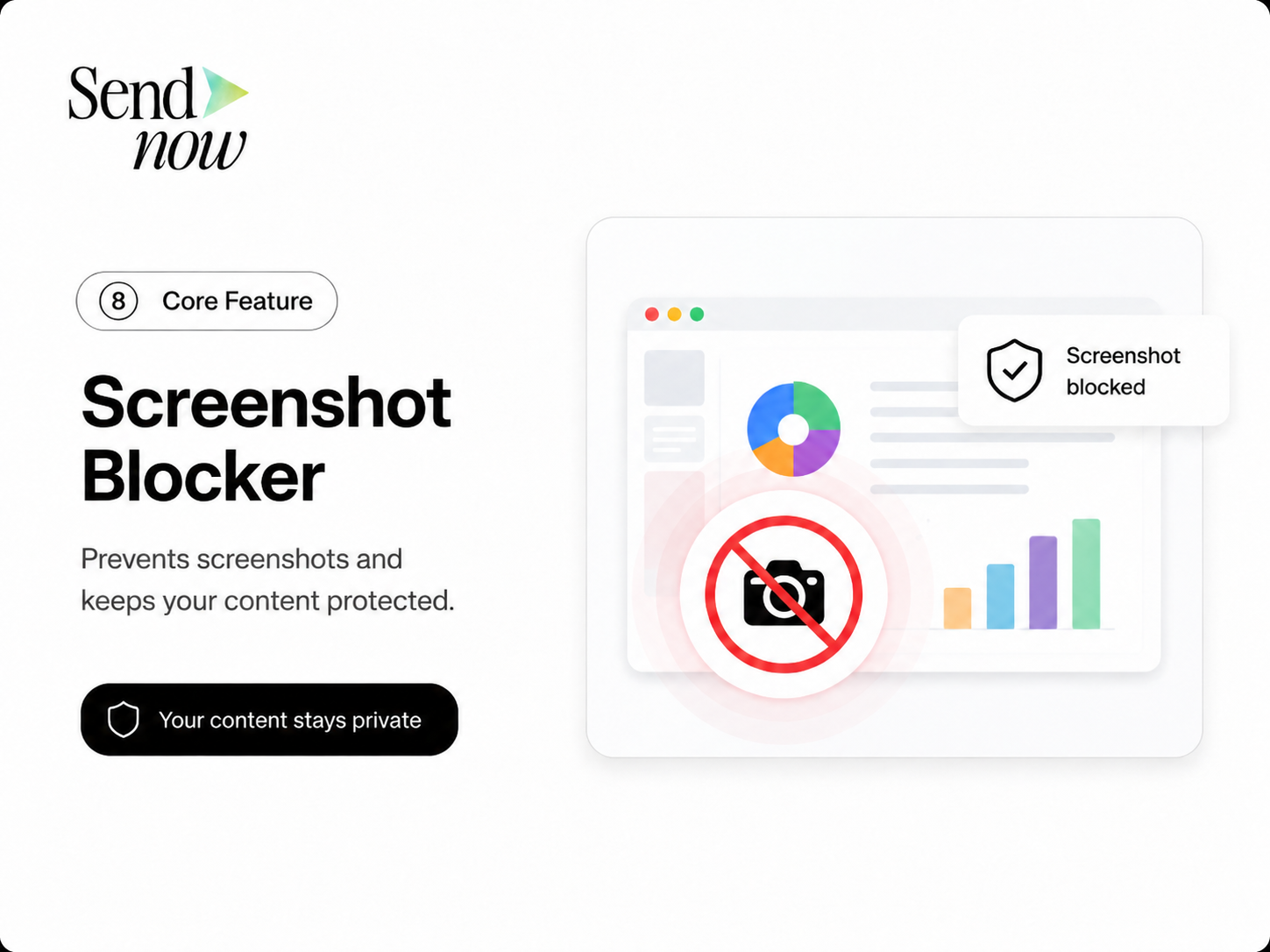
SendNow offers screenshot blocking capabilities that prevent users from capturing the screen while viewing presentations. This feature is crucial for protecting sensitive information from being shared without authorization.
Email Gates
By requiring users to authenticate their identity through email gates, SendNow ensures that only authorized individuals can access sensitive presentations. This adds an additional layer of security to the file-sharing process.
Link Expiry
SendNow allows users to set expiry dates for shared links, ensuring that sensitive information is only accessible for a limited time. This feature reduces the risk of unauthorized access after the presentation has concluded.
NDA Gates
For organizations that require additional legal protection, SendNow offers NDA gates that require users to agree to non-disclosure agreements before accessing sensitive presentations. This adds a legal layer of protection against unauthorized sharing.
For more information on SendNow and its features, visit their official LinkedIn page: SendNow LinkedIn.
Technical Walkthrough
Implementing SendNow's features is straightforward. Here’s a step-by-step guide to securely uploading, configuring links, and distributing presentations.
Step 1: Upload Your Presentation
- Log in to SendNow: Access your SendNow account using your secure credentials.
- Navigate to the Upload Section: Click on the "Upload" button to begin the process.
- Select Your File: Choose the presentation file you wish to upload from your device.
- Confirm Upload: Click "Upload" to complete the process.
Step 2: Configure Security Settings
- Set Dynamic Watermarking: Enable dynamic watermarking by selecting the option in the security settings. Customize the watermark to include recipient-specific information.
- Enable Screenshot Blocking: Toggle the screenshot blocking feature to prevent users from capturing the screen during the presentation.
- Set Expiry Date: Specify an expiry date for the shared link to limit access duration.
- Add NDA Gates: If required, enable NDA gates to ensure users agree to non-disclosure agreements before accessing the presentation.
Step 3: Distribute the Presentation
- Generate Shareable Link: Once your presentation is configured, generate a shareable link.
- Send the Link via Email: Distribute the link to authorized recipients via email, ensuring they have the necessary credentials to access the content.
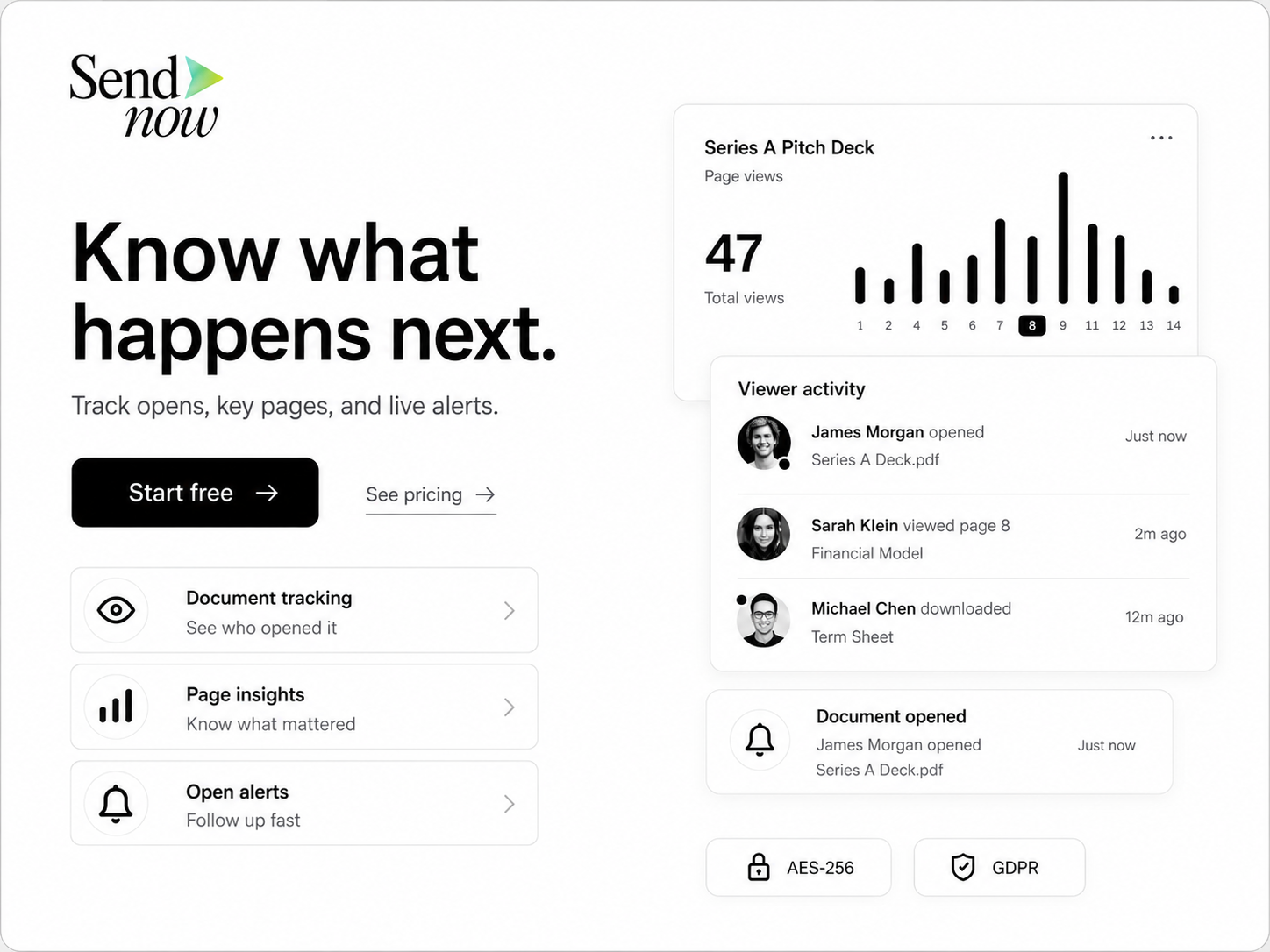
- Monitor Access: Use SendNow's activity tracking features to monitor who accesses the presentation and when.
ROI & Business Impact
Investing in secure file-sharing solutions like SendNow can yield significant returns for organizations. Here’s how:
1. Cost-Efficiency
By mitigating the risks associated with data leaks, organizations can save on potential legal fees, fines, and reputational damage. The cost of a data breach can be substantial, making proactive security measures a cost-effective investment.
2. Contract Compliance
Many industries are subject to strict regulatory requirements regarding data protection. Using secure file-sharing solutions helps organizations comply with regulations such as GDPR and HIPAA, reducing the risk of non-compliance penalties.
3. Protection Value
The value of protecting sensitive information cannot be overstated. By implementing robust security measures, organizations can safeguard their intellectual property, trade secrets, and proprietary data, ensuring long-term business viability.
Structured FAQ
1. How does SendNow prevent unauthorized access to presentations?
SendNow employs multiple security features, including email gates for authentication, dynamic watermarking to discourage sharing, and screenshot blocking to prevent screen captures. These measures collectively enhance the security of sensitive presentations.
2. Why is dynamic watermarking important?
Dynamic watermarking adds a layer of accountability by embedding recipient-specific information on presentation slides. This discourages unauthorized sharing, as any leaked content can be traced back to the individual who accessed it.
3. What are NDA gates, and how do they work?
NDA gates require users to agree to a non-disclosure agreement before accessing sensitive presentations. This legal measure adds an additional layer of protection against unauthorized sharing and reinforces the importance of confidentiality.
4. How can I track who accessed my presentation?
SendNow provides activity tracking features that allow you to monitor who accessed your presentation and when. This information is valuable for auditing purposes and ensuring compliance with security protocols.
5. What should I do if I suspect unauthorized access?
If you suspect unauthorized access to your presentation, you can immediately revoke access to the shared link through SendNow's platform. Additionally, consider conducting a security audit to identify any potential vulnerabilities.
Actionable CTA
Protect your sensitive presentations and ensure secure sharing by starting a trial on SendNow today. Experience the benefits of advanced security features and safeguard your organization's valuable information. Visit SendNow to get started.
About the Author: Rifana Hameem
Rifana is the founder of SendNow. She leads the team in building secure, compliant, and analytics-rich document sharing tools for finance and professional teams worldwide.
Connect on LinkedIn