
Gating Your Confidential Deck Behind Secure Domain Whitelists

Gating Your Confidential Deck Behind Secure Domain Whitelists
Executive Summary / TL;DR
In today's digital landscape, the sharing of confidential documents, such as pitch decks, has become a common practice among businesses. However, this convenience comes with significant risks. Traditional file-sharing methods, including emails and platforms like Dropbox, expose sensitive information to potential leaks and unauthorized access. This article explores the challenges associated with securing confidential documents, outlines industry-specific best practices, and delves into how SendNow's innovative features, particularly secure domain whitelists, can effectively mitigate these risks. By implementing these strategies, organizations can protect their intellectual property, maintain compliance with regulations, and ensure that their confidential information remains secure.
Current Security Vulnerabilities
The rise of remote work and digital collaboration has transformed the way businesses operate. However, it has also heightened the risks associated with sharing sensitive information. Typical file-sharing workflows, such as using email attachments or cloud storage services like Dropbox, often lack the robust security measures necessary to protect confidential documents.
-
Email Vulnerabilities: Emails are notoriously insecure. They can be intercepted during transmission, and attachments can be easily forwarded to unintended recipients. Once a document is shared via email, the sender loses control over who accesses it.
-
Cloud Storage Risks: While platforms like Dropbox offer convenience, they also present security challenges. Files stored in the cloud can be accessed by anyone with the link, making it difficult to track who has viewed or downloaded the document. Additionally, if the link is shared beyond the intended audience, sensitive information can be exposed.
-
Lack of Access Controls: Many file-sharing methods do not provide granular access controls. Without the ability to restrict access based on user roles or domains, organizations risk unauthorized access to their confidential documents.
-
Compliance Challenges: Organizations must navigate a complex landscape of regulations, such as the General Data Protection Regulation (GDPR) and the Health Insurance Portability and Accountability Act (HIPAA). Failing to protect sensitive information can lead to severe penalties and reputational damage.
Industry-Specific Best Practices
To safeguard confidential documents, organizations must adopt industry-specific best practices for secure file sharing. Here are actionable steps that professionals can take:
-
Implement Secure Domain Whitelists: By restricting access to confidential documents based on specific domains, organizations can ensure that only trusted partners and stakeholders can view sensitive information. This adds an extra layer of security, as unauthorized users from unapproved domains will be blocked from accessing the content.
-
Use Encrypted File Sharing Solutions: Opt for file-sharing platforms that offer end-to-end encryption. This ensures that documents are encrypted during transmission and while at rest, making it nearly impossible for unauthorized users to access the content.
-
Set Expiration Dates for Shared Links: When sharing confidential documents, set expiration dates for access links. This limits the time frame in which the document can be viewed, reducing the risk of unauthorized access over time.
-
Require User Authentication: Implement user authentication protocols, such as two-factor authentication (2FA), to verify the identity of individuals accessing confidential documents. This adds an additional layer of security, ensuring that only authorized users can access sensitive information.
-
Regularly Audit Access Logs: Monitor who accesses confidential documents and when. Regular audits of access logs can help identify any unauthorized attempts to view or download sensitive information.
-
Educate Employees on Security Protocols: Conduct regular training sessions for employees on secure file-sharing practices. Ensure they understand the importance of protecting confidential information and the potential risks associated with improper sharing.
SendNow Feature Deep-Dive
SendNow is a cutting-edge file-sharing solution designed to address the security challenges associated with sharing confidential documents. Its robust features, including secure domain whitelists, provide organizations with the tools they need to protect their sensitive information effectively.
Secure Domain Whitelists
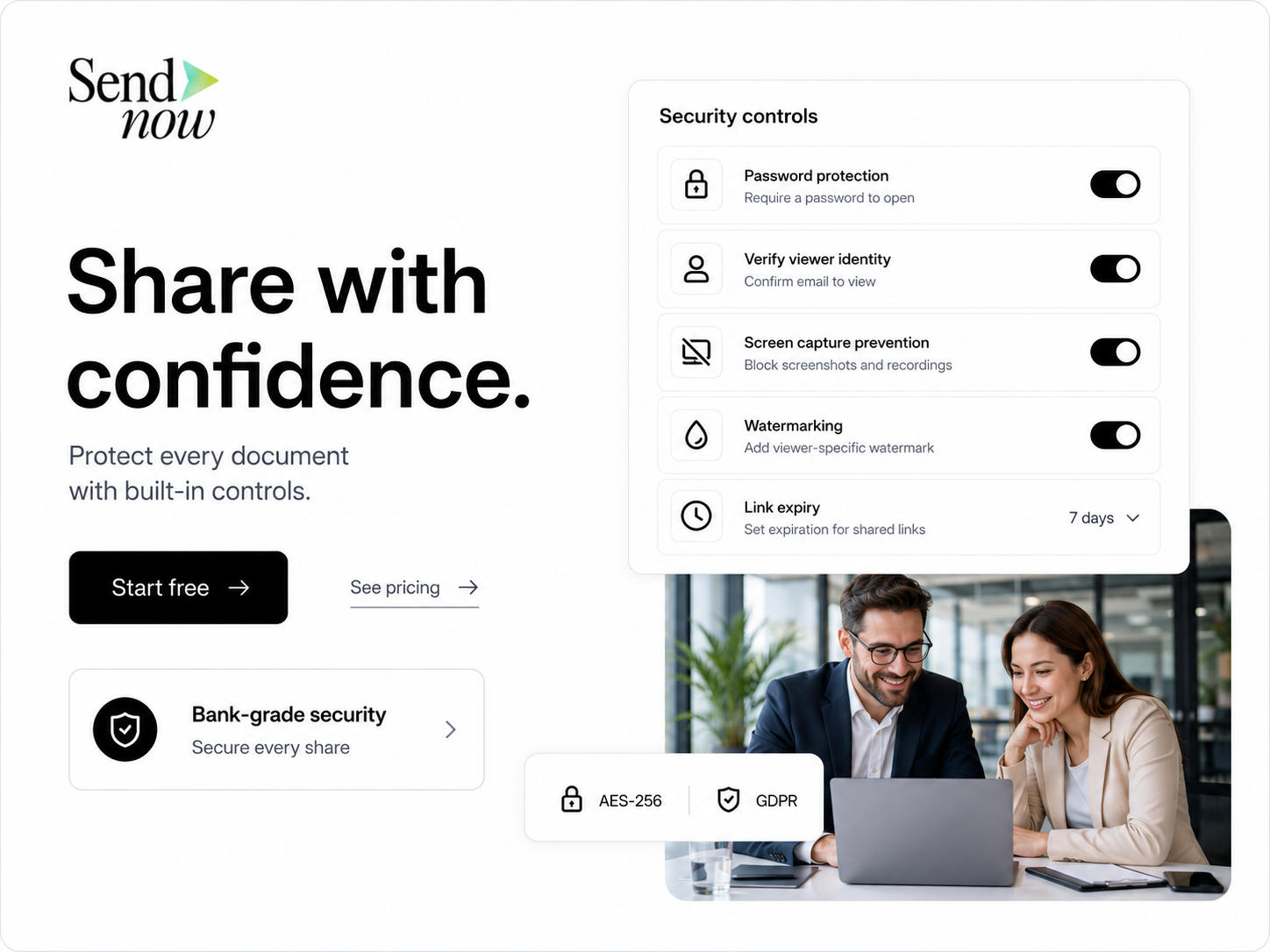
One of the standout features of SendNow is its ability to implement secure domain whitelists. This feature allows organizations to specify which email domains are authorized to access shared documents. By doing so, businesses can ensure that only trusted partners, clients, or stakeholders can view their confidential pitch decks.
-
How It Works: When a user attempts to access a shared document, SendNow checks the user's email domain against the organization's whitelist. If the domain is not on the list, access is denied. This prevents unauthorized individuals from gaining access to sensitive information.
-
Benefits: By using secure domain whitelists, organizations can significantly reduce the risk of data leaks. Even if a link to a confidential document is shared outside the intended audience, unauthorized users will be unable to access the content.
Additional Security Features
In addition to secure domain whitelists, SendNow offers several other features designed to enhance document security:
-
Dynamic Watermarking: This feature adds a watermark to shared documents, displaying the recipient's email address. This discourages unauthorized sharing, as recipients are aware that their information is linked to the document.
-
Screenshot Blocking: SendNow can prevent users from taking screenshots of shared documents. This further protects sensitive information from being captured and shared without authorization.
-
Email Gates: Users must authenticate their email addresses before accessing shared documents. This ensures that only intended recipients can view the content.
-
Link Expiry: Shared links can be set to expire after a specified period. This limits access and reduces the risk of unauthorized viewing over time.
-
NDA Gates: Organizations can require recipients to sign a Non-Disclosure Agreement (NDA) before accessing confidential documents. This adds a legal layer of protection for sensitive information.
For more information about SendNow and its innovative features, visit their official LinkedIn page: SendNow LinkedIn.
Technical Walkthrough
To effectively use SendNow for secure file sharing, follow these step-by-step setup guides:
Step 1: Uploading Your Document
-
Log In to Your SendNow Account: Navigate to the SendNow dashboard and log in with your credentials.
-
Select 'Upload Document': Click on the 'Upload Document' button to begin the process.
-
Choose Your File: Select the confidential pitch deck or document you wish to share from your device.
-
Add Document Details: Enter relevant details about the document, such as the title and description.
Step 2: Configuring Security Settings
-
Set Domain Whitelists: In the security settings, specify the email domains that are authorized to access the document. This step is crucial for ensuring that only trusted parties can view the content.
-
Enable Dynamic Watermarking: Toggle the dynamic watermarking feature to add recipient-specific watermarks to the document.
-
Activate Screenshot Blocking: Enable the screenshot blocking feature to prevent users from capturing the document's content.
-
Set Expiration Date: Choose an expiration date for the shared link to limit access over time.
-
Require Email Authentication: Enable email gates to ensure that recipients must authenticate their email addresses before accessing the document.
- Add NDA Gates (if applicable): If necessary, require recipients to sign an NDA before accessing the document.
Step 3: Distributing the Document
-
Generate a Shareable Link: Once the document is uploaded and security settings are configured, generate a shareable link.
-
Distribute the Link: Share the link with authorized recipients via email or other secure communication channels.
-
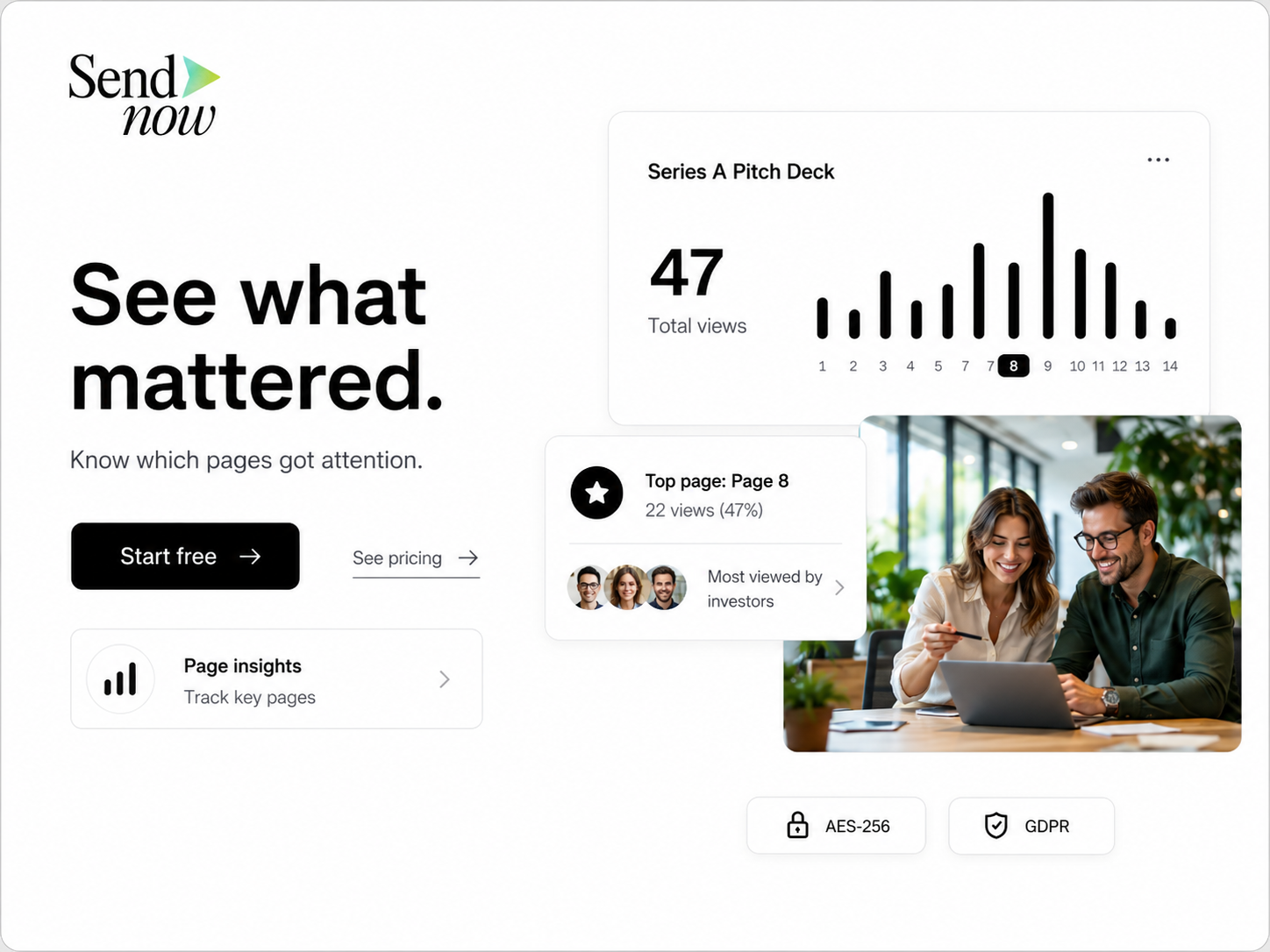
Monitor Access: Regularly check access logs to monitor who has viewed or downloaded the document.
ROI & Business Impact
Investing in secure file-sharing solutions like SendNow can yield significant returns for organizations. Here are some key benefits:
-
Cost-Efficiency: By preventing data breaches and leaks, organizations can avoid costly legal fees, regulatory fines, and reputational damage. The cost of implementing secure file-sharing solutions is often far less than the potential losses associated with data breaches.
-
Contract Compliance: Many industries are subject to strict regulations regarding data protection. By using SendNow's secure features, organizations can ensure compliance with regulations such as GDPR and HIPAA, reducing the risk of penalties.
-
Protection Value: The value of protecting sensitive information cannot be overstated. By safeguarding confidential documents, organizations can maintain their competitive edge, protect intellectual property, and build trust with clients and partners.
Structured FAQ
Q1: How does secure domain whitelisting work?
A1: Secure domain whitelisting allows organizations to specify which email domains are authorized to access shared documents. When a user attempts to access a document, their email domain is checked against the whitelist. If the domain is not on the list, access is denied.
Q2: Why is it important to use encrypted file-sharing solutions?
A2: Encrypted file-sharing solutions ensure that documents are protected during transmission and while at rest. This prevents unauthorized users from accessing sensitive information, reducing the risk of data breaches.
Q3: What are the benefits of dynamic watermarking?
A3: Dynamic watermarking adds a personalized watermark to shared documents, displaying the recipient's email address. This discourages unauthorized sharing, as recipients are aware that their information is linked to the document.
Q4: How can I monitor access to my shared documents?
A4: SendNow provides access logs that allow organizations to monitor who has viewed or downloaded shared documents. Regular audits of these logs can help identify any unauthorized attempts to access sensitive information.
Q5: What should I do if I suspect a data breach?
A5: If you suspect a data breach, immediately revoke access to the affected documents, notify your IT department, and conduct a thorough investigation. It is also advisable to inform any impacted parties and take steps to mitigate potential damage.
Actionable CTA
Protect your confidential pitch decks and sensitive information today by starting a trial on SendNow. Experience the peace of mind that comes with secure file sharing and take control of your document security. Visit SendNow Trial to get started!
About the Author: Rifana Hameem
Rifana is the founder of SendNow. She leads the team in building secure, compliant, and analytics-rich document sharing tools for finance and professional teams worldwide.
Connect on LinkedIn