

Securing Confidential Board Packs for Finance Audits

Securing Confidential Board Packs for Finance Audits
Securing confidential board packs is vital for maintaining corporate compliance and protecting material non-public information during audits. By utilizing secure board pack sharing platforms that offer features like dynamic watermarking and secure access control, organizations can prevent leaks. Implement these practices to ensure your board members and financial auditors collaborate safely without compromising sensitive corporate data.
Financial audits are high-stakes corporate events that subject an organization's most sensitive documents to external scrutiny. Among these documents, board packs—comprising financial models, minutes of executive sessions, cap tables, and strategic forecasts—are both the most valuable and the most vulnerable. While auditors require comprehensive access to perform their statutory duties, the distribution of these files presents an expansive surface area for potential security breaches, compliance failures, and accidental leaks.
Historically, sharing these materials has relied on outdated mechanisms: email attachments, physical binders, or loose folders in generic cloud storage systems. These methods fail to meet the modern security standards demanded by regulators and corporate governance best practices. This guide details the technical and operational protocols required to secure board packs during financial audits, ensuring that collaboration does not come at the expense of confidentiality.
1. The Strategic Importance of Board Pack Security in Audits
A board pack represents the nerve center of corporate decision-making. It contains granular insights into the firm’s performance, proprietary tax strategies, pending litigation, merger plans, and executive discussions. During a financial audit, these files must be examined by audit partners, forensic accountants, and regulatory compliance officers. However, the process of sharing these documents with external third parties creates a significant compliance and governance challenge.
Protecting these documents is not merely an IT concern; it is a primary fiduciary duty of the board of directors and the executive team. The unauthorized disclosure of board pack contents can have severe consequences, including:
- Market disruption: Leaked financial forecasts or board-level discussions regarding earnings targets can lead to immediate market volatility, potentially violating insider trading regulations or SEC disclosure rules.
- Loss of competitive advantage: Competitors gaining access to strategic board documents can anticipate product launches, market expansions, or pricing adjustments.
- Regulatory penalties: Board packs often contain personal data of employees, executives, or clients. Under the EU's General Data Protection Regulation (GDPR), failing to protect this data during transmission can result in fines of up to €20 million or 4% of global annual turnover.
To mitigate these risks, organizations must design a sharing protocol that balances the auditor’s need for information with the firm’s requirement for strict access control.
2. Vulnerabilities in Traditional Board Pack Distribution Methods
Many finance departments continue to distribute board packs using tools that lack the security controls necessary for sensitive corporate communications. Understanding the vulnerabilities of these legacy methods is the first step in building a defensible sharing architecture.
The Inherent Insecurity of Email Attachments
Email remains the default communication tool for many corporate audits, yet it is fundamentally designed for convenience, not security. When a board pack is sent as an email attachment:
- Control is immediately lost: The file can be forwarded, downloaded to unmanaged devices, printed, or shared via personal messages.
- No revision control: If a financial schedule is updated, the sender must distribute a new file, leading to confusion and the risk of auditors relying on outdated or incorrect figures.
- Permanent retention: Emails reside indefinitely on local mail clients, mail servers, and backup archives, creating a long-term data exposure risk.
Generic Cloud Storage Solutions (Dropbox, Google Drive)
While cloud storage is a step up from email, generic platforms are poorly suited for sharing highly confidential corporate records during audits:
- Coarse permissions: Standard cloud folders typically offer binary access controls (can view/can edit) without the ability to block downloads, prevent screenshots, or enforce Non-Disclosure Agreements (NDAs) at the file level.
- Weak link security: Anyone who obtains the shareable link can often access the files, especially if email verification or password protection is not strictly enforced.
- Inadequate audit logs: Generic platforms record basic actions like "file uploaded" or "folder shared" but rarely provide the granular, page-level viewing analytics required to demonstrate compliance to regulators.
3. Key Security Requirements for Board Pack Sharing
To protect board packs during financial audits, organizations must implement a dedicated sharing framework. A secure board pack sharing workflow must integrate several layers of security to prevent unauthorized distribution and establish full accountability.
+-------------------------------------------------------------+
|               Secure Board Pack Sharing Platform            |
+-------------------------------------------------------------+
                              |
       +----------------------+----------------------+
       |                      |                      |
       v                      v                      v
+--------------+      +---------------+      +---------------+
| AES-256 at   |      | Dynamic       |      | Granular Log  |
| Rest/Transit |      | Watermarking  |      | Access Control|
+--------------+      +---------------+      +---------------+
Encryption At Rest and In Transit
All board packs must be protected by robust cryptographic protocols. Data in transit must use TLS 1.3 to prevent network interception, while data at rest on servers must be encrypted using AES-256, the global standard for securing highly classified data.
Access Control and Authentication Gating
Before any auditor or board member can open a board pack, their identity must be verified. This is achieved through:
- Email Verification: Access links should require the recipient to enter their corporate email and input a one-time verification code sent to that address. This prevents link sharing and ensures only the authorized recipient can view the files.
- Multi-Factor Authentication (MFA): A second layer of security, such as an SMS code or authenticator app token, should be mandatory for high-privilege links.
- Password Gating: Sensitive files must be protected by a unique, strong password that is communicated via a separate secure channel.
Dynamic Watermarking
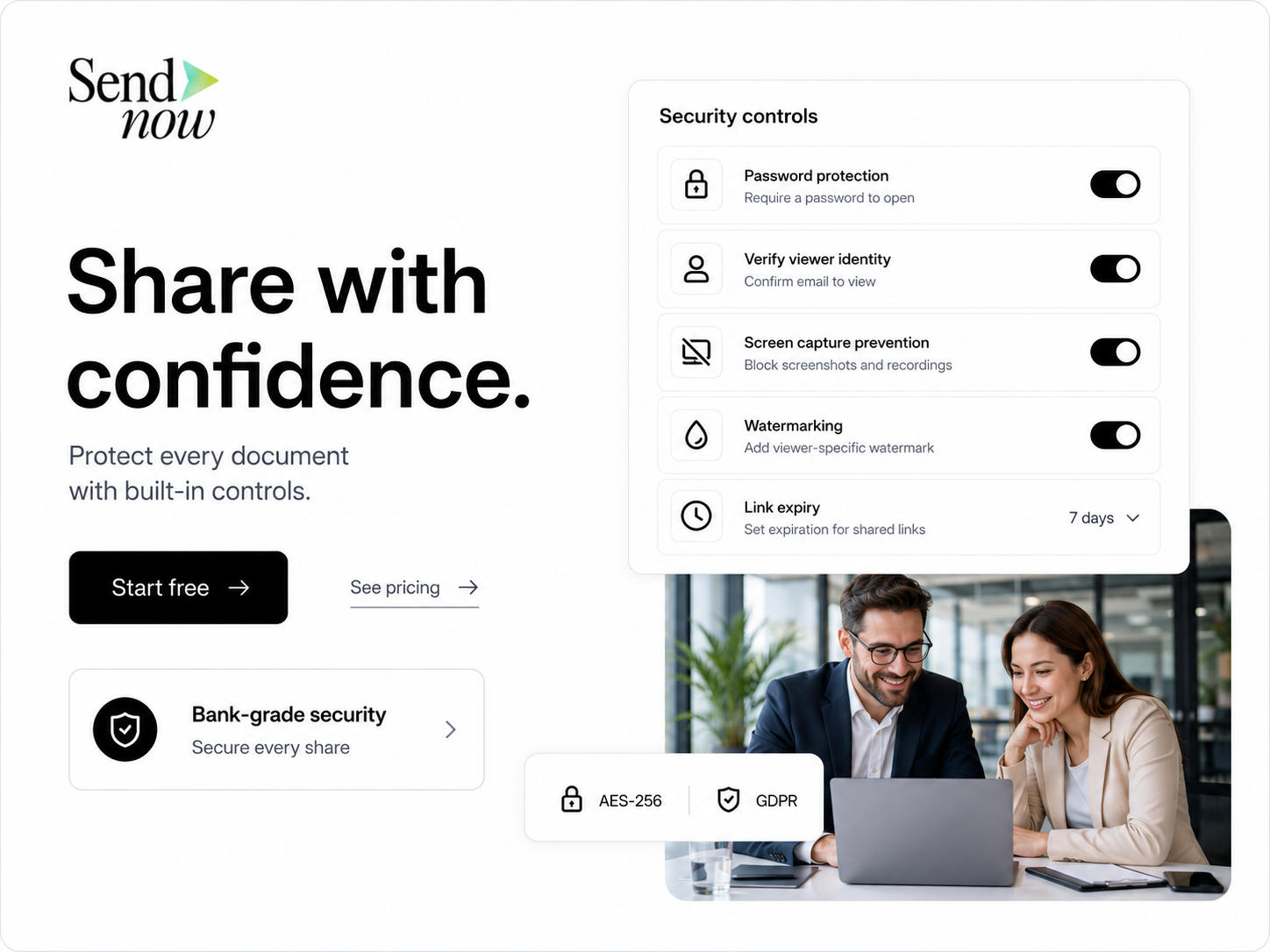
A visible watermark is the most effective psychological and forensic deterrent against data leaks. Unlike static watermarks (e.g., a generic "CONFIDENTIAL" stamp), dynamic watermarks overlay viewer-specific information onto every page:
- Viewer’s email address
- IP address of the accessing device
- Timestamp of access
If an auditor screenshots or photographs a page from the board pack, the watermark immediately identifies the source of the leak, discouraging unauthorized copying.
Document Expiration and Access Revocation
Financial audits are bounded by time. Access to board packs should not be indefinite. Sharing platforms must support:
- Automatic expiration: Links should automatically deactivate on a pre-set date, such as the scheduled conclusion of the audit.
- Instant revocation: The sharing team must have the ability to terminate access instantly if an auditor changes roles, leaves the firm, or if suspicious activity is detected.
4. How to Implement a Secure Workflow for Finance Audits
Securing board packs requires a structured process that spans from document preparation to post-audit cleanup. Follow this step-by-step technical workflow to implement secure board pack sharing:
Step 1: Centralize and Structure the Board Pack
Assemble the board pack in a secure, centralized directory. Standardize the document format (preferably PDF) to ensure security controls like watermarking and viewing restrictions can be applied uniformly. Avoid sharing raw spreadsheets (XLSX) unless absolutely necessary, as they are harder to protect against unauthorized modifications.
Step 2: Upload to a Secure Sharing Platform
Upload the finalized PDF board pack to your secure document platform (such as SendNow). Avoid storing local copies on unprotected laptops or shared network drives.
Step 3: Configure Security Constraints
For each shareable link generated, apply the following settings:
- Enable Email Verification: Ensure only the designated audit partner's email address is permitted to access the link.
- Apply Dynamic Watermarking: Configure the watermark to display
{viewer_email} | {ip} | {date}diagonally across each page with a 30% opacity to ensure legibility. - Block Downloads: Configure the document to be view-only in the browser, preventing the auditor from saving the file locally.
- Set Link Expiry: Set the link to expire automatically 30 days from creation.
Step 4: Share the Secure Link
Send the secure link to the auditor via your standard communication channel. Do not send the password or verification parameters in the same message.
Step 5: Monitor Audit Trails
Regularly check the document access logs. Verify that the files are accessed only from expected IP ranges and at reasonable hours. If an anomalous login is detected, temporarily disable the link and investigate.
5. Regulatory Compliance and Governance Frameworks
Finance teams operating in the EU and globally must align their document sharing practices with strict regulatory frameworks. Using secure board pack sharing solutions directly supports compliance with these mandates.
GDPR and Personal Data Protection
Under GDPR Article 32, companies must implement technical measures to protect personal data. Board packs frequently contain payroll summaries, executive compensation details, and internal investigation reports. If these documents are shared insecurely and leaked, it constitutes a breach of personal data. By encrypting these files, implementing multi-factor authentication, and keeping comprehensive audit logs, firms can demonstrate compliance to data protection authorities in the event of an inquiry.
The Digital Operational Resilience Act (DORA)
For financial institutions operating in the EU, DORA (effective January 2025) mandates strict ICT risk management. Secure board pack sharing is a critical element of protecting corporate communication channels. The ability to track and control the flow of financial reports to external audit firms is a core requirement of DORA’s operational resilience guidelines.
SEC Rule 17a-4 and Audit Trail Maintenance
In the United States, the SEC requires broker-dealers and financial entities to maintain tamper-proof records and audit trails of key financial transactions and communications. A document platform that logs every viewing event provides a verifiable, immutable record of who examined the board packs, fulfilling statutory compliance obligations during regulatory audits.
6. Why SendNow is the Preferred Solution for Board Pack Security
SendNow is engineered specifically to meet the high-security document sharing needs of finance teams, board members, and compliance officers. Unlike generic file-sharing systems, SendNow provides a lightweight, fast, and highly secure alternative to traditional virtual data rooms (VDRs).
Key advantages of using SendNow for board pack distribution include:
- Flat-Rate Pricing: SendNow offers predictable monthly pricing without per-user licensing fees. You can collaborate with external auditors, consultants, and board members without triggering unexpected billing spikes.
- Advanced Dynamic Watermarking: Overlay viewer-specific details (email, IP, date) automatically on every page of your PDF files at the moment of viewing.
- Built-in NDA Gates: Require auditors to sign a legally binding Non-Disclosure Agreement before they can open the board pack, automating compliance workflows.
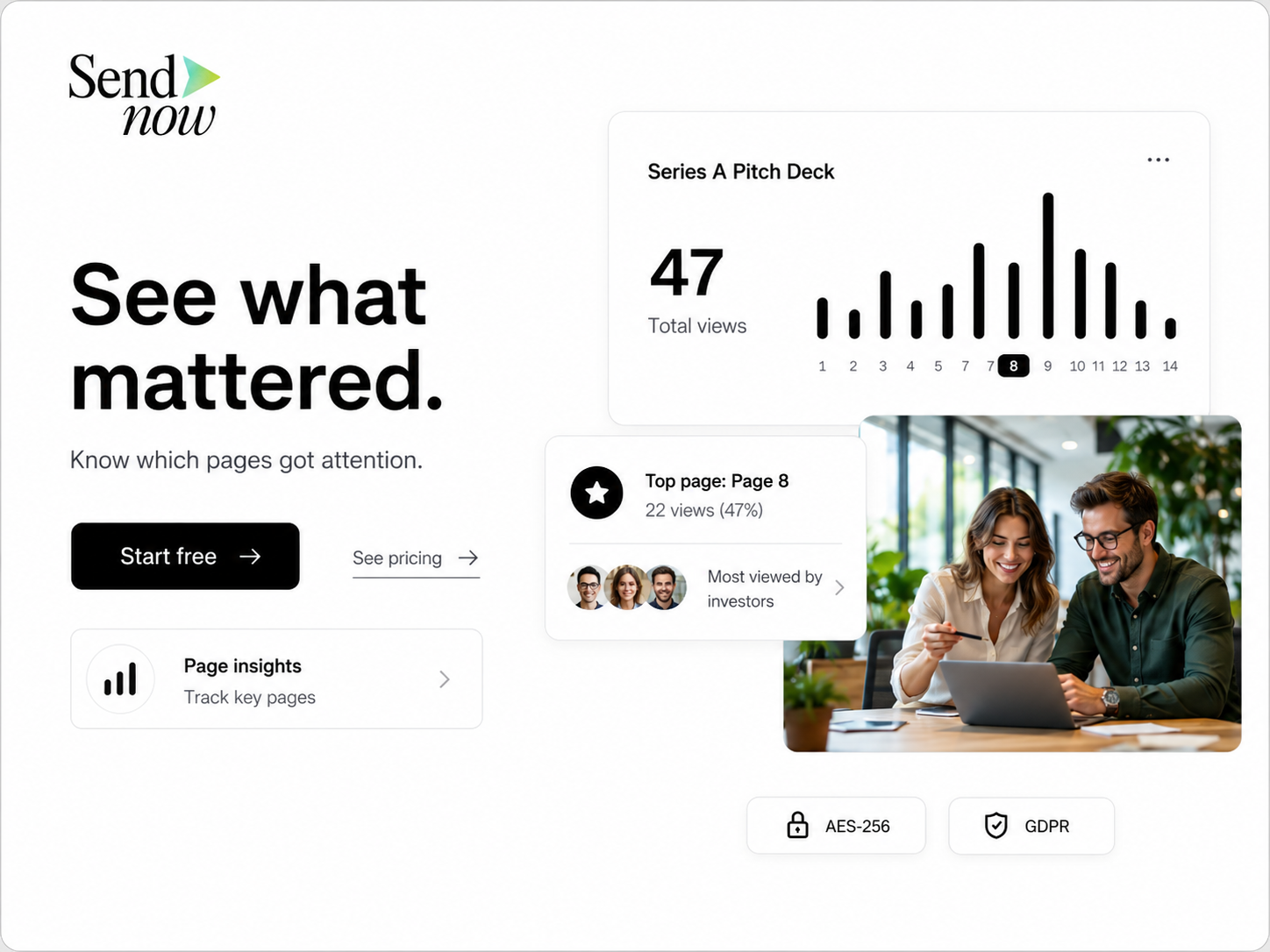
- Page-Level Analytics: See exactly which sections of the board pack the auditors spent the most time reviewing, giving you valuable context for audit meetings.
By implementing SendNow, financial teams can streamline their audit workflows while maintaining the highest level of security and compliance.
Related Reading
- Setting Up an Audit Trail for GDPR Compliant File Sharing
- Best Practices for Distributing Encrypted Monthly Performance Packages
- Confidential Board Pack Watermarking and Password Gate
Frequently Asked Questions
What is board pack sharing and why does it need security during audits?
Board pack sharing is the process of distributing highly confidential corporate governance and financial documents to directors and auditors. During audits, these files are exposed to external parties, making secure sharing crucial to prevent the leakage of market-sensitive information or personal data.
How can we prevent board members or auditors from leaking documents?
The most effective deterrent is dynamic watermarking, which overlays the viewer’s email address, IP address, and access timestamp on every page. This ensures that any screenshot or photo taken of the document can be immediately traced back to the source of the leak.
Is email-based sharing of board packs GDPR compliant?
No, standard email sharing does not comply with GDPR requirements for sensitive data. Emails can be intercepted in transit, and once sent, you cannot control or revoke access. GDPR requires secure, encrypted transmission methods with complete access logs.
How does SendNow protect board packs from being printed or downloaded?
SendNow allows you to restrict permissions to "view-only" mode within a secure web viewer. This configuration blocks the browser's download and print commands, ensuring that the confidential document remains strictly inside the secure environment.
Can we revoke access to board packs after the finance audit is complete?
Yes. With SendNow, you can set an automatic expiration date on the sharing link or manually deactivate the link from your dashboard at any time, instantly cutting off access for all external viewers.
Protect your corporate intelligence during financial audits. Start your trial on SendNow and share board packs with absolute confidence and control.
About the Author: Rifana Hameem
Rifana is the founder of SendNow. She leads the team in building secure, compliant, and analytics-rich document sharing tools for finance and professional teams worldwide.
Connect on LinkedIn